+86 152 8002 3723
QVoteProfessional Audience Response System software offers the most convenient functions for your interactions.
QClickThe most convenient educational software for working with Microsoft PowerPoint to quickly set up various question types and generate intelligent feedback reports.
QCameraQCamera by QOMO allows for real-time streaming from cameras and document cameras. Annotate, save snapshots, record, and manipulate camera images instantly.
Flow!Works ProUser - friendly whiteboard software, it encompasses a wide range of presentation tools and powerful functions, delivering the most professional presentation experience to you.
Flow!WorksFlow!Works incorporates more educational tools, further enhancing the interactivity and fun - factor of your teaching.
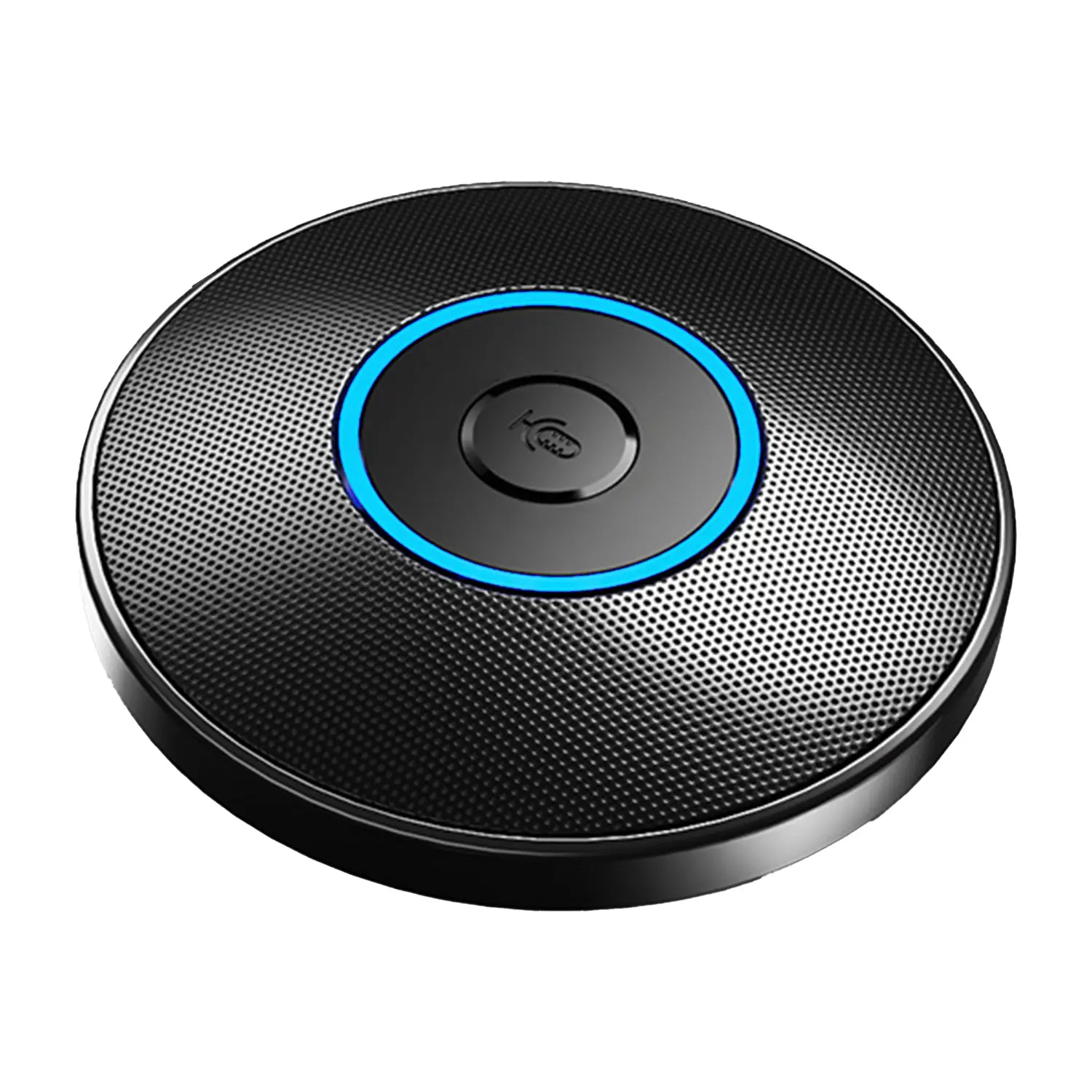
Conference Microphone● USB
● Plug and Play
● Intelligent Noise-Canceling
● 10ft/3m Extended Pickup Range
● 360° Omnidirectional Pickup
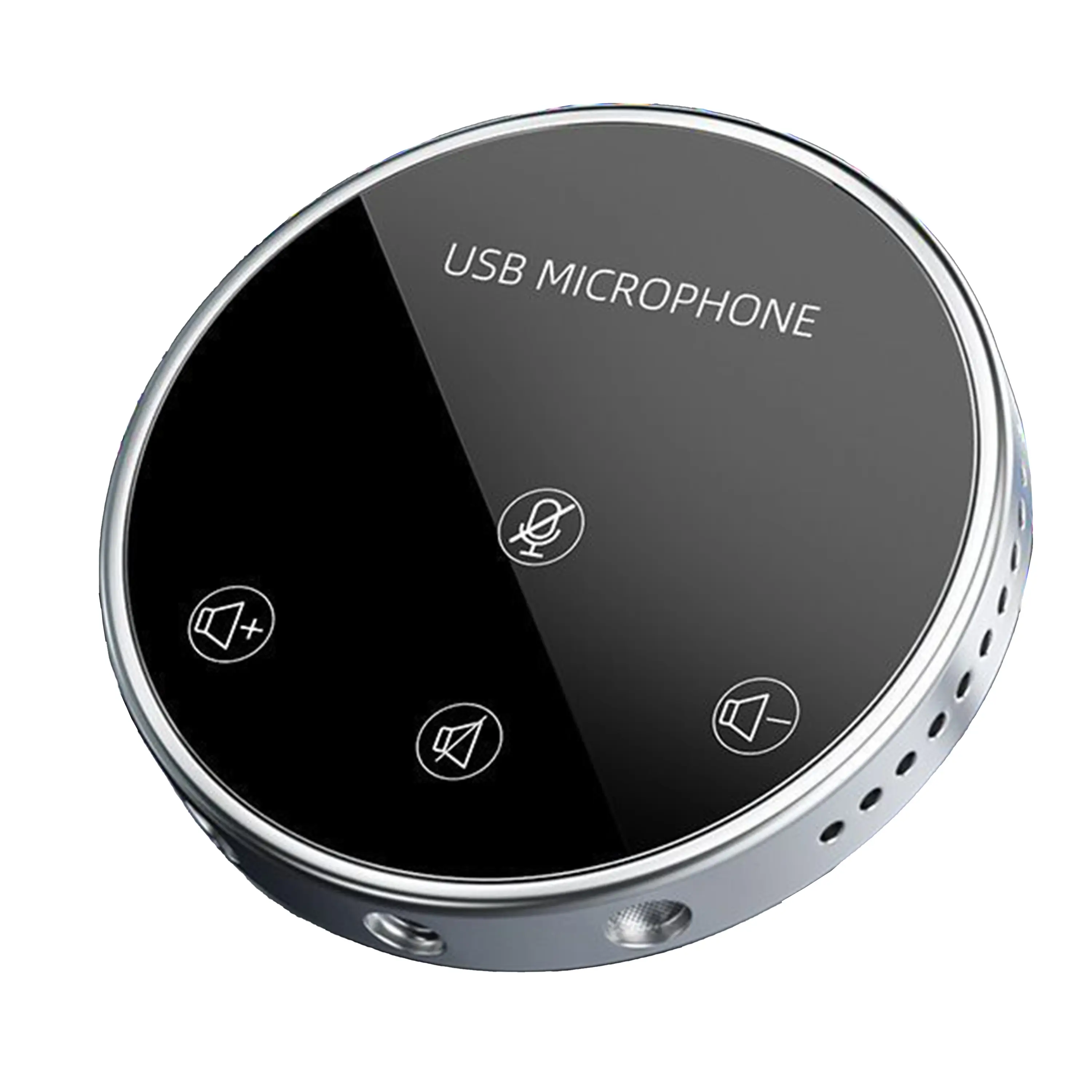
Conference Speakerphone● USB-C
● Plug and Play
● Intelligent Noise-Canceling
● 10ft/3m Extended Pickup Range
● 360° Omnidirectional Pickup
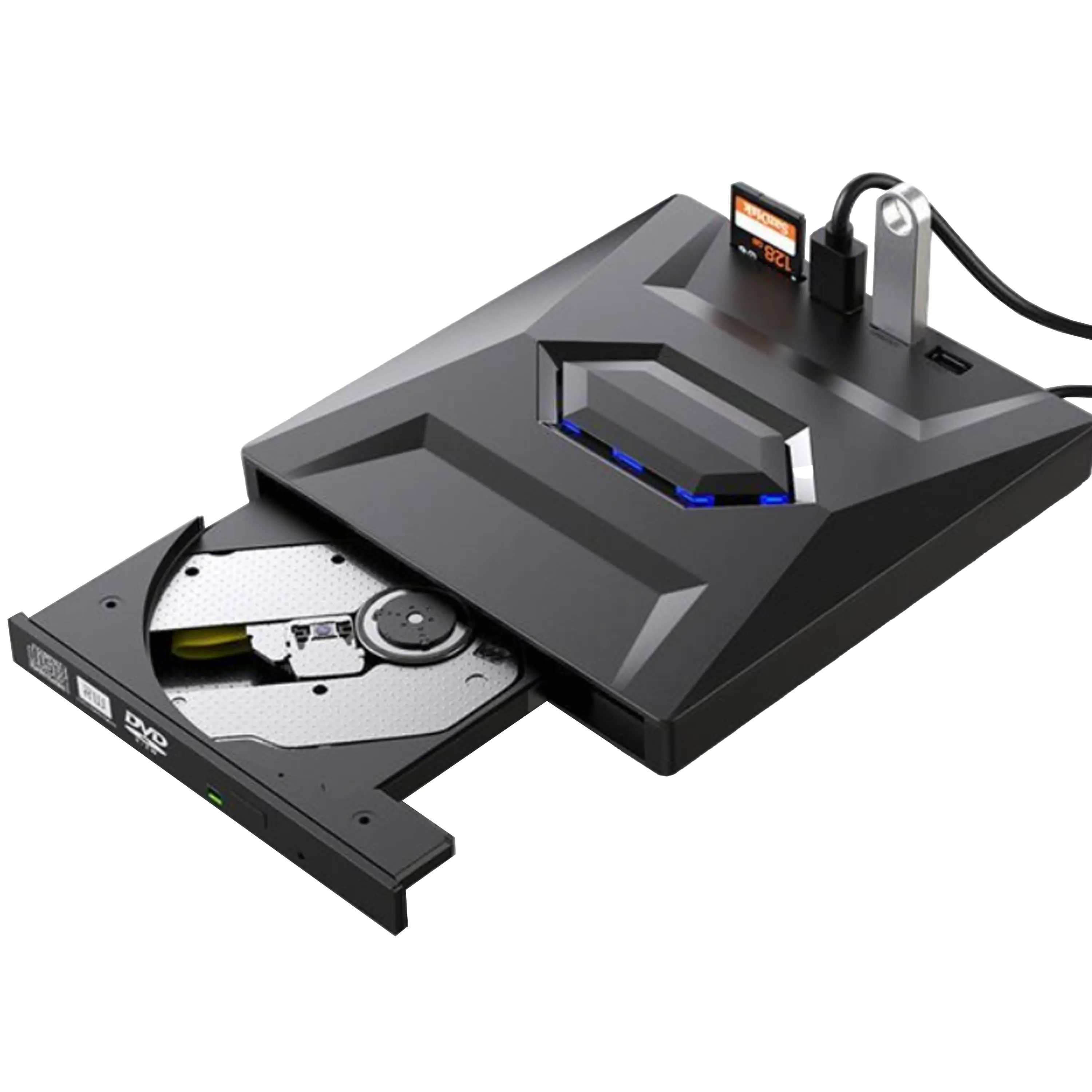
USB External CD/DVD Drive• USB and USB-C
• USB 3.0
• 8x DVD and 24x CD write/read speeds
• Portable
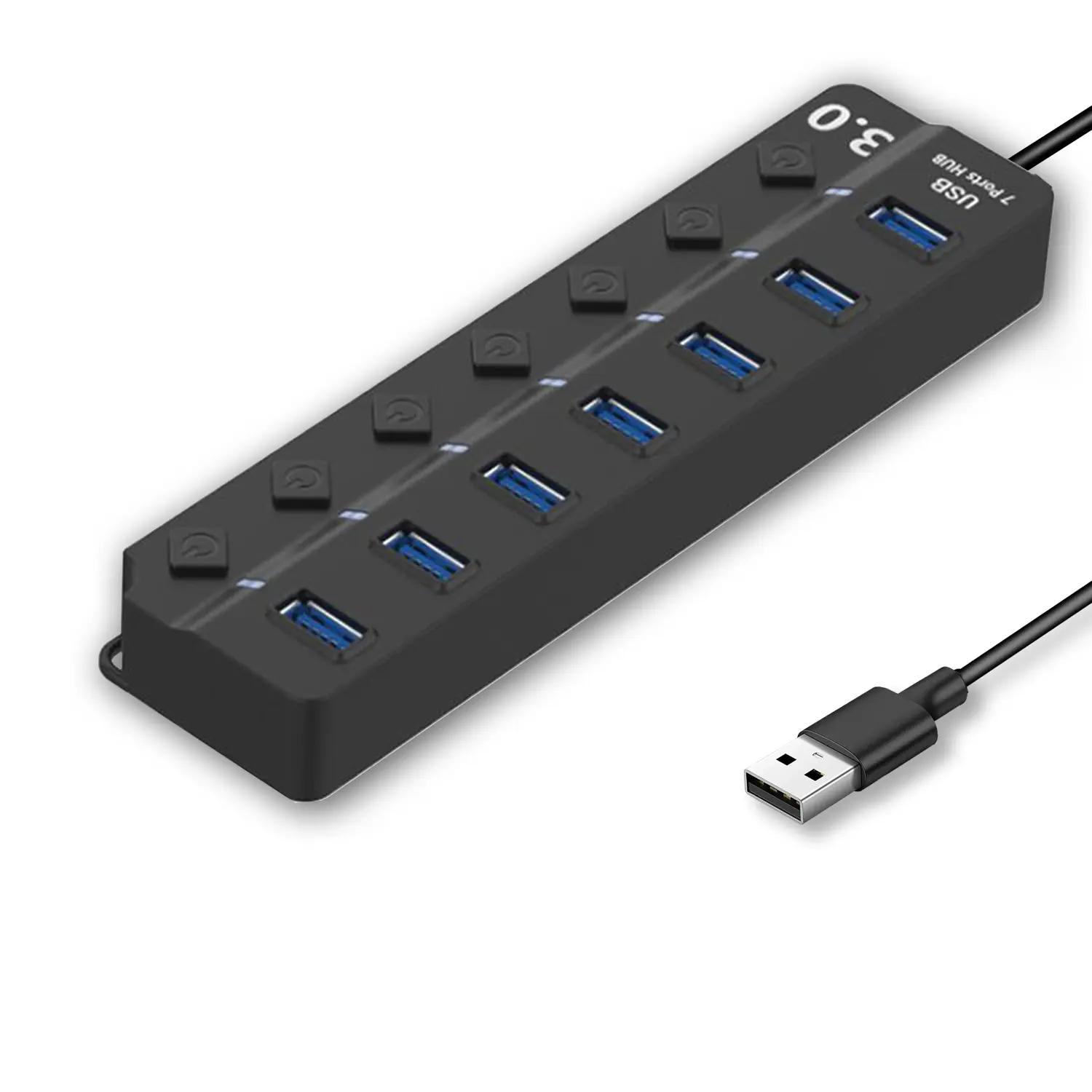
7-Port USB 3.0 Hub● USB 3.0
● Plug and Play
● 7-in-1 USB Hub
● Individual On/Off Switches
Revolutionize Your Presentations and Document Display with QWC 100S Document Camera
Enhance Call Experience: New Conference Microphone Now Available
AI-Powered Face-Tracking Webcam
Portable Document Camera Recommendations
Classic Design, Exceptional Functionality: QPC 22 Document Camera
Wireless Screen Mirroring Solution for All Devices
Latest Audience Response System: QRF 999
Introducing the QPC 80H3 Gooseneck Document Camera
Creating a Smart Integrated Classroom: What Do You Need?
Wireless Connectivity Upgraded: WiFi-Free Wireless Document Receiver
Flow!Works Pro: Interactive Whiteboard Software for Engaging Classrooms
How to Choose the Perfect Document Camera and Elevate Productivity
QWC 004 Conference Webcam: The Top Choice for Remote Education
QCamera: Dedicated Software for Document Cameras to Elevate Your Presentations
QRF999 Voice Response System: Enhancing Teacher-Student Interaction
Work From Home? Maybe You Should Try This Document Camera
The Ultimate Educational Tool: Gooseneck Document Camera
60GHz Millimeter-Wave Wireless Screen Sharing: QShare 100
What Does a Modern Conference Room Need?
QD5000 Document Camera: Unimaginable Versatility!
QWC 004: The Most Cost-Effective Webcam
QVote Interactive Classroom Response System Software
Functionality, Aesthetics, Portability! Meet the QWC 100S Document Camera!
Why Choose the BundleBoard H/H2 Interactive Flat Panel?
Save Your Budget—Introducing the All-New QPC 70 Document Camera!
QIT 600F3: Revolutionize Your Presentations
QCamera: Professional Document Camera Software
QPC 5: The Ultimate 4K Portable Document Camera
Elevate Your Meetings in Seconds: QWC 006 Webcam
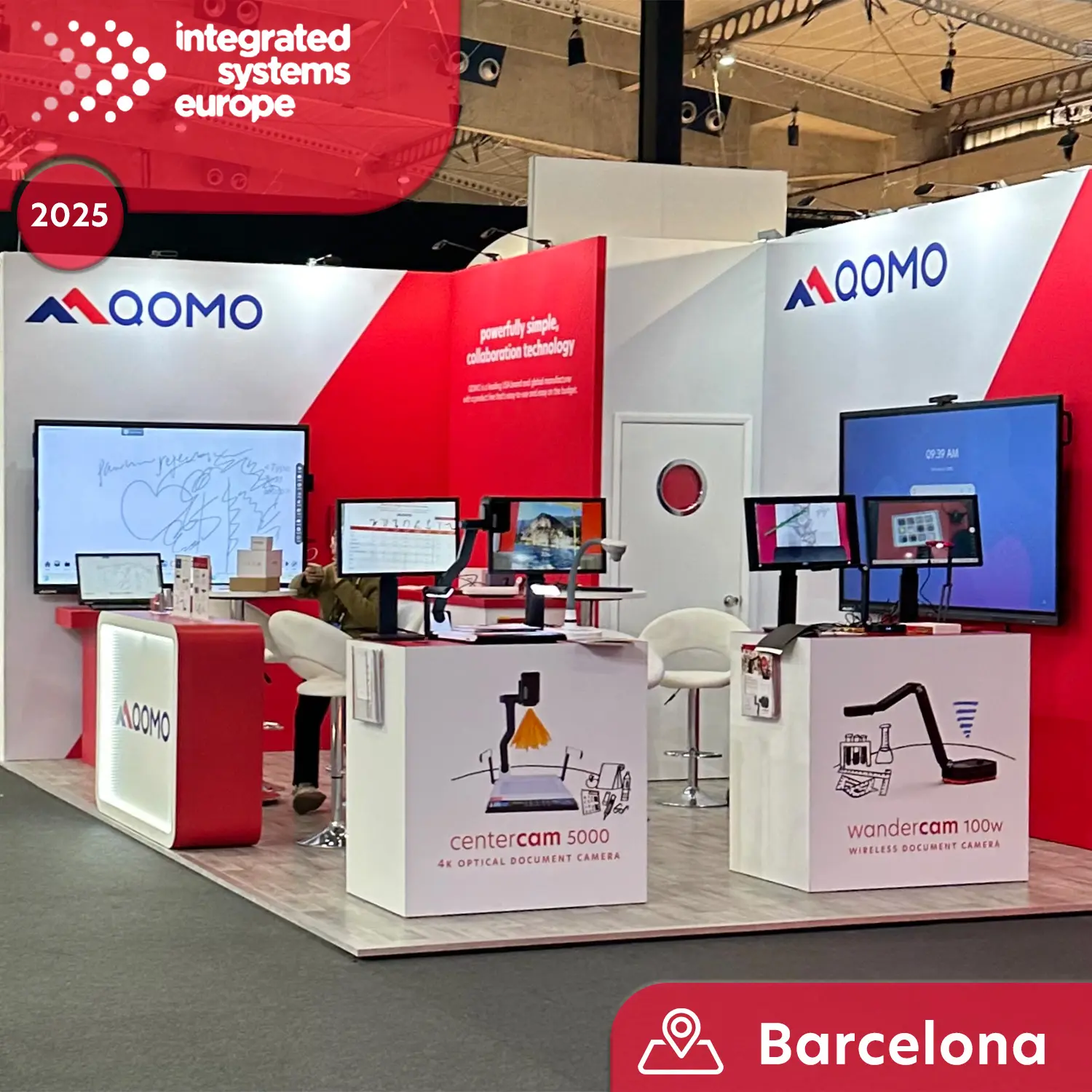
Meet QOMO at ISE 2025
Wireless Document Camera Solution, Revolutionizing Wireless Technology
QRF Series, Transform Your Classroom!
QOMO, Building Intelligent Classrooms
QOMO QShare100 New Release
Outstanding Office Equipment Recommendations
As technology continues to evolve, the demand for user-friendly interfaces has surged, paving the way for the rise of Interactive Touch Panels. These innovative devices offer an engaging platform for interaction, transforming the way we communicate, collaborate, and consume information. In 2025, the landscape of Interactive Touch Panels is set to reach new heights, presenting a variety of options that cater to diverse needs across different sectors, from corporate settings to educational institutions.
In this article, we will explore the top five Interactive Touch Panels that stand out for their cutting-edge features, seamless user experience, and versatility. Whether you're looking to enhance presentations in a boardroom or create an interactive learning environment in a classroom, these panels have the potential to revolutionize your approach to digital interaction. Join us as we delve into the latest advancements and key factors to consider when choosing the perfect Interactive Touch Panel for your needs in 2025.
In 2025, interactive touch panels are set to revolutionize the educational landscape with their innovative features. The NITEK Interactive Flat Panel stands out as a leader, offering seamless integration of smart technology that enhances classroom engagement. With its ultra-responsive touch interface and advanced collaboration tools, it enables teachers and students to share ideas effortlessly, fostering a more interactive learning environment.
New functionalities such as multi-user interaction, built-in learning apps, and real-time feedback mechanisms ensure that these touch panels cater to diverse learning styles. Moreover, the incorporation of AI-driven analytics allows educators to tailor their teaching approaches based on individual student performance, optimizing the educational experience. As these tools become essential in modern classrooms, schools are poised to unlock unprecedented levels of engagement and academic success.
This chart illustrates the screen sizes of the top 5 interactive touch panels for 2025. As technology progresses, larger screens become increasingly prevalent in classrooms and conference rooms, enhancing interactivity and engagement.
The evolution of interactive touch panel technology is poised to transform various industries, especially in educational and corporate environments. According to an industry report by Research and Markets, the global interactive display market is expected to reach $30 billion by 2025, driven by the increasing demand for engaging and collaborative experiences. Among the most prominent technologies are LCD, LED, and OLED panels, each offering distinct advantages.
LCD panels, known for their affordability and clarity, have been the backbone of many interactive displays. However, the introduction of LED technology has significantly enhanced color accuracy and brightness, making them more suitable for environments with variable lighting conditions. An IHS Markit analysis indicates that the LED segment is projected to grow at a 12% CAGR through 2025, largely due to its energy efficiency and longevity. Meanwhile, OLED technology, although still premium-priced, is praised for its superior contrast and color depth, creating a more immersive user experience. As such, organizations looking to invest in interactive touch panels must weigh these technologies based on their specific needs and budget.
| Technology | Screen Size | Resolution | Touch Technology | Price Range | Ideal Use Case |
|---|---|---|---|---|---|
| Capacitive Touch Panel | 55-86 inches | 4K (3840 x 2160) | Multi-touch | $1,500 - $5,000 | Conference Rooms |
| Infrared Touch Panel | 32-75 inches | Full HD (1920 x 1080) | Touch Frame | $800 - $3,000 | Retail Displays |
| Optical Touch Panel | 40-98 inches | 4K (3840 x 2160) | Optical Sensor | $2,000 - $8,000 | Interactive Kiosks |
| resistive Touch Panel | 15-50 inches | HD (1280 x 720) | Single/Multi-touch | $300 - $1,200 | Small Devices |
| EMI Shielded Touch Panel | 10-32 inches | HD (1280 x 720) | Surface Capacitive | $1,000 - $3,500 | Medical Use |
In 2025, interactive touch panels are set to revolutionize several key industries, leading to significant advancements and enhancements in user experience. Among the top sectors benefiting from this technology are education, healthcare, retail, and automotive industries.
Interactive touch panels in classrooms facilitate collaborative learning, enabling students to engage with digital content in dynamic ways. In healthcare, these panels allow for efficient patient management and real-time data visualization, improving medical outcomes and workflow.
The retail sector also stands to gain tremendously, as interactive displays enable a more personalized shopping experience. Customers can interact with products in new ways, gaining access to information that enhances decision-making. In the automotive industry, innovative displays are transforming vehicle interiors, presenting crucial information in an intuitive format that improves driver safety and navigation.
Tips: When considering the implementation of interactive touch panels in your industry, prioritize user-friendly designs that cater to your audience's needs. Additionally, stay updated on technological advancements to leverage the full potential of this evolving market, ensuring that your solutions remain competitive and engaging. Adopting a proactive approach will be key to maximizing the benefits these touch panels can offer.
As the demand for interactive touch panels continues to surge, advancements in touch sensitivity and response are becoming increasingly crucial for enhancing user experience. With projected market growth for haptic sensors reaching a value of XX million by 2025 and an impressive compound annual growth rate (CAGR) of 7.6%, expected to hit 41.6 million by 2033, it’s clear that innovation in this field is paramount. This evolving technology is set to redefine how users interact with their devices by providing more intuitive and responsive interfaces.
The enhancements in touch sensitivity not only foster a more engaging and seamless user experience but also expand the applications across various sectors including education, healthcare, and entertainment. The rise in touch panel integration within consumer products is directly linked to improvements in technology that allow for finer gestures and a more tactile feel. Such advancements are vital for creating applications that cater to the diverse needs of users who demand accuracy and immediacy in their touch interactions, thus establishing a new standard for usability in interactive touch panels.
As we look toward the future of interactive touch panels, the trends emerging from CES 2024 highlight a significant shift in design and functionality. With over 4,000 exhibitors at this year's event, the spotlight was on innovations in displays, including advancements in touch technology. According to the latest research report on China's touch screen industry, the key attributes of these panels are moving towards enhanced interactivity and efficiency. Capacitive and optical touch technologies are gaining prominence, providing users with a more intuitive and responsive experience.
One exciting trend is the growing integration of haptic feedback in touch panels, which offers a tactile interaction experience, similar to what is now popular in smartphones. This technology not only enriches user engagement but also aligns with the emerging Human-Machine Interface (HMI) 4.0 standards. By reducing the reliance on physical buttons and complex wiring, new touch panel designs are streamlining device control and monitoring.
Tips: When choosing an interactive touch panel, consider the application environment – features like glare reduction and durability can significantly enhance user experience. Additionally, exploring models with advanced haptic feedback can provide a richer and more responsive interaction that may become standard in upcoming devices.