+86 152 8002 3723
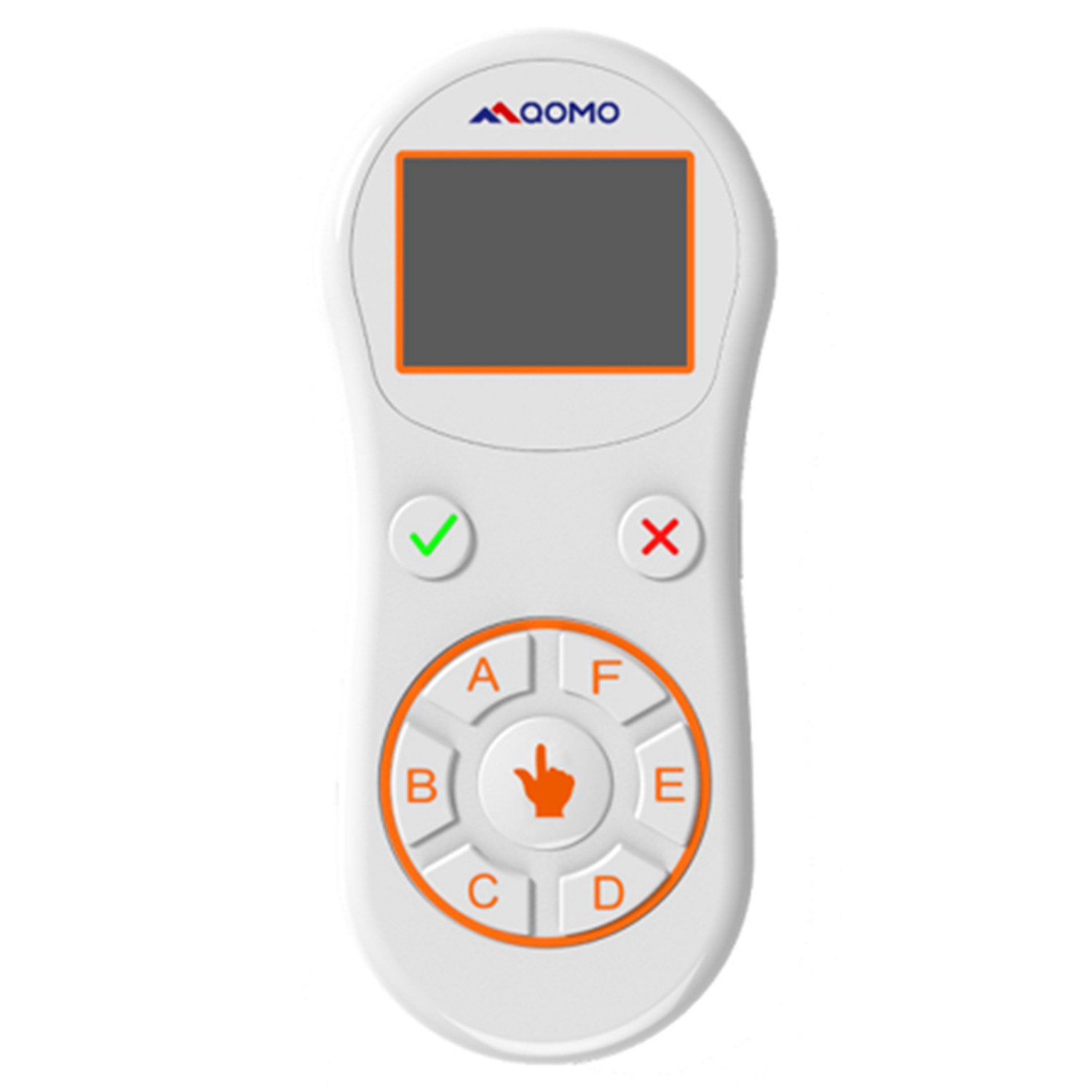
QVoteProfessional Audience Response System software offers the most convenient functions for your interactions.
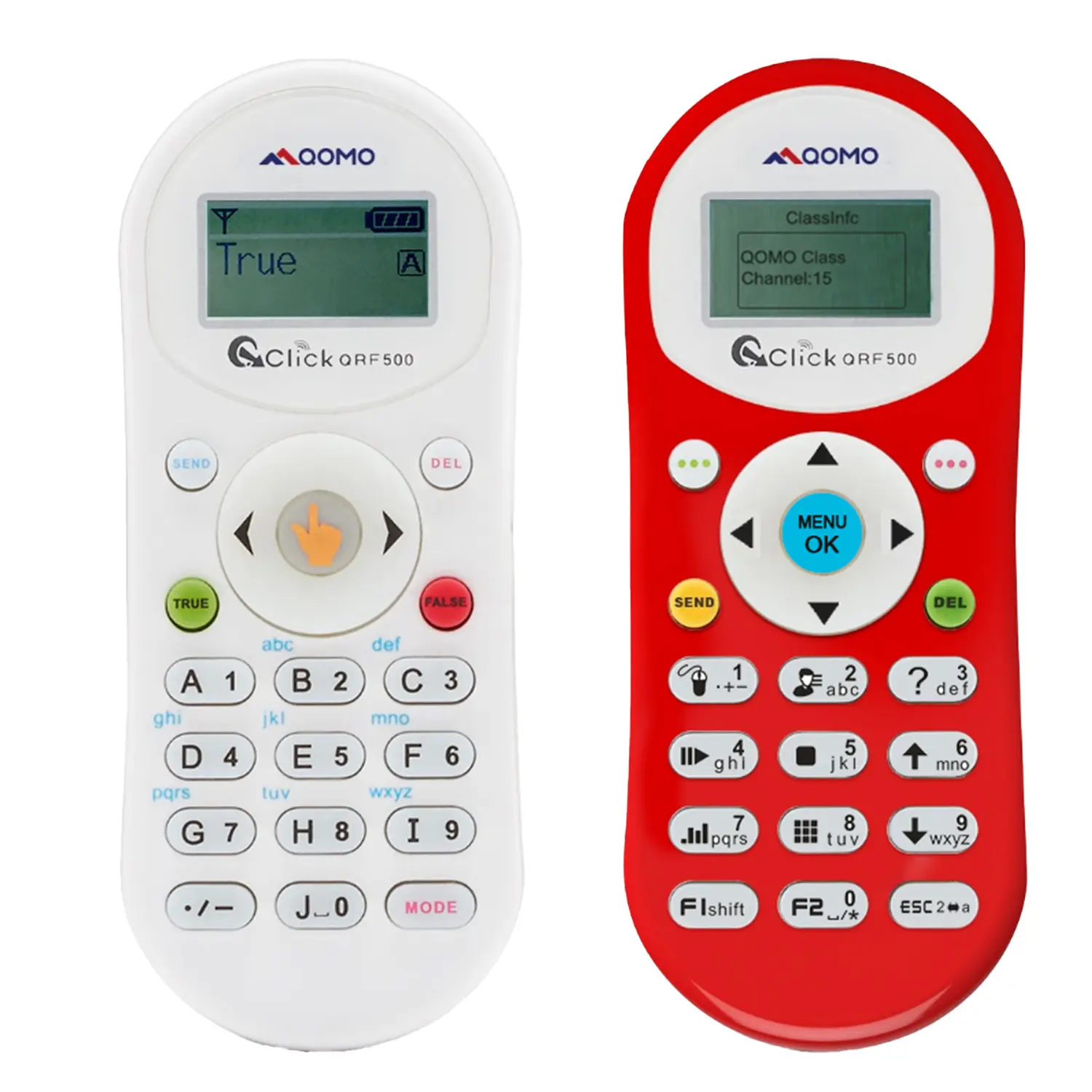
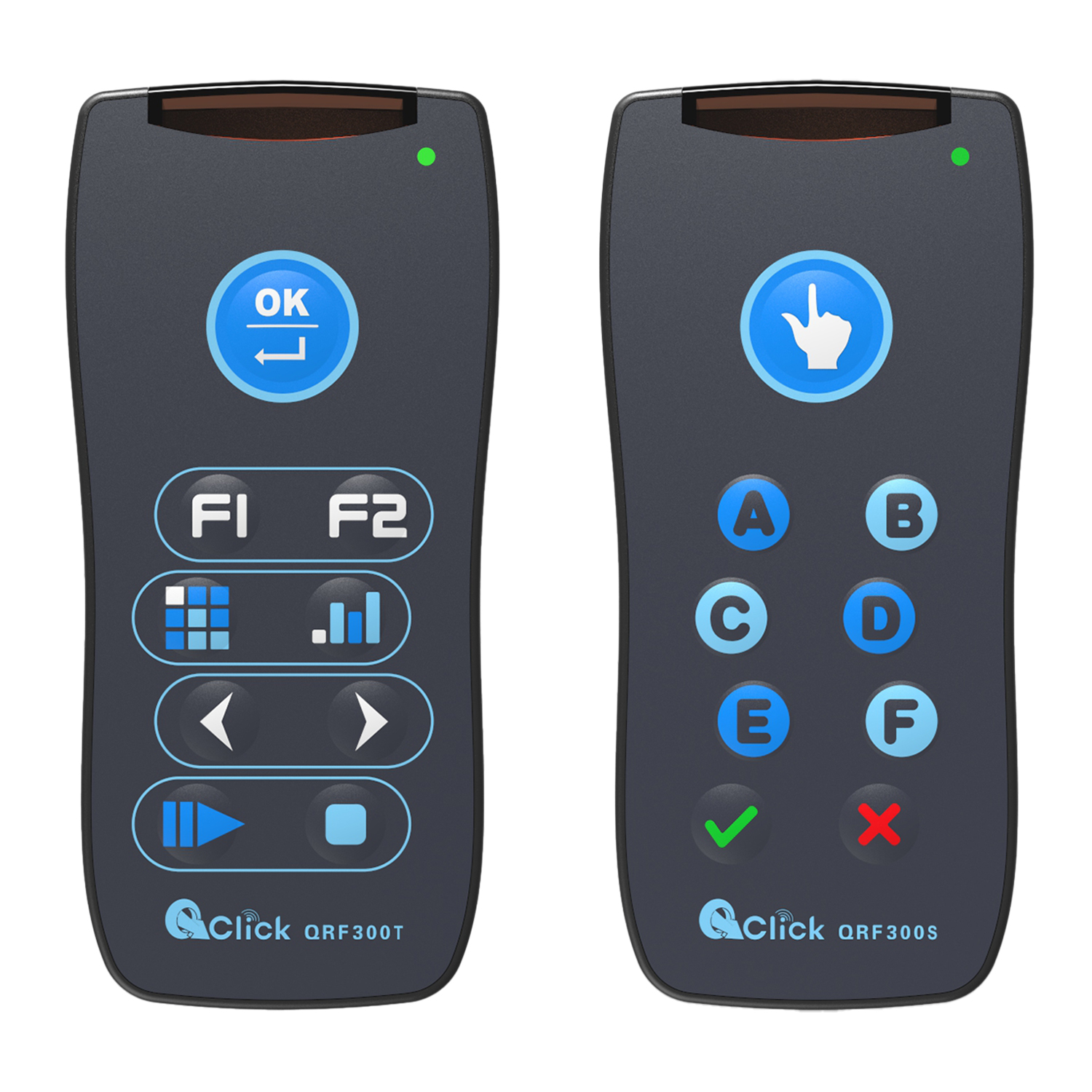
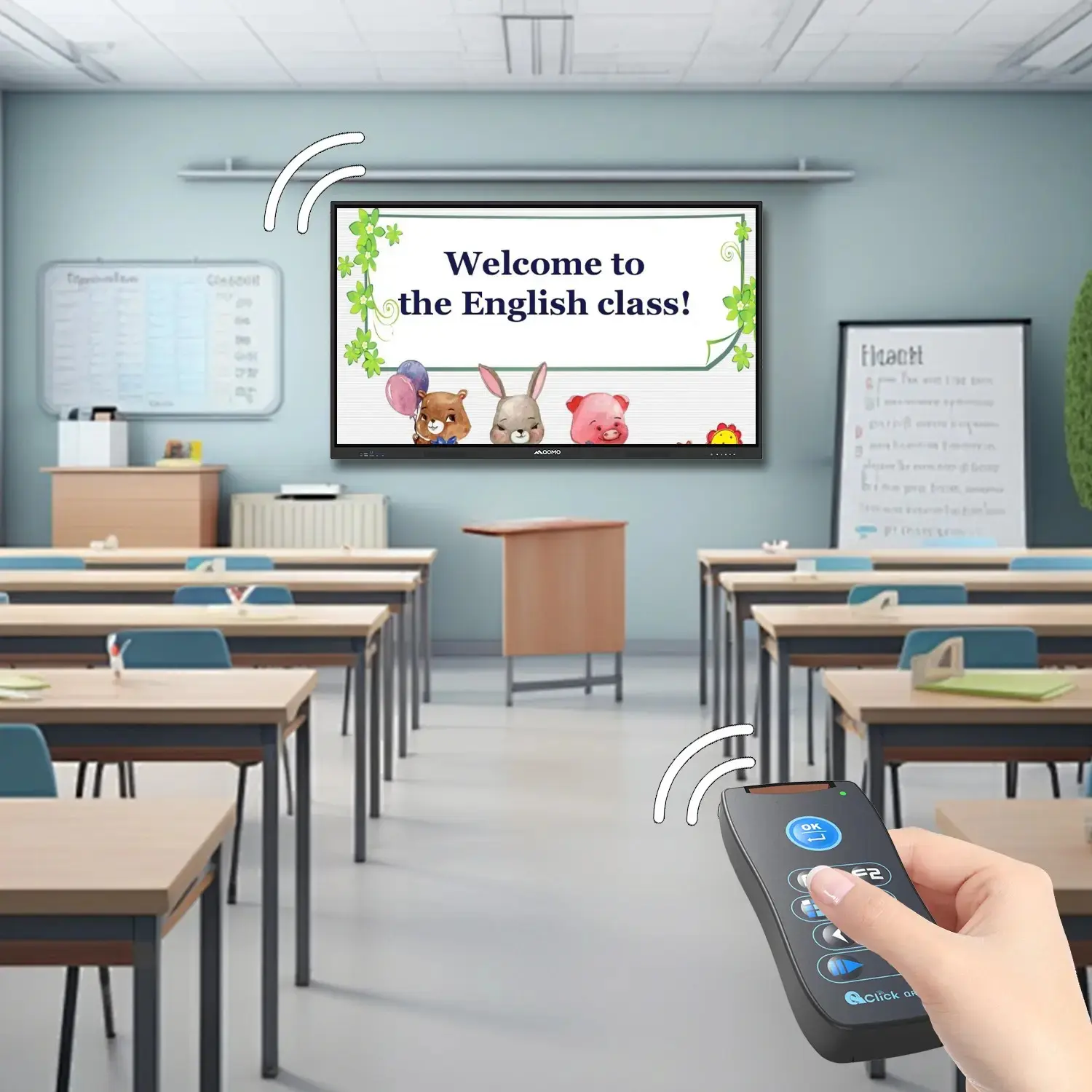
QClickThe most convenient educational software for working with Microsoft PowerPoint to quickly set up various question types and generate intelligent feedback reports.
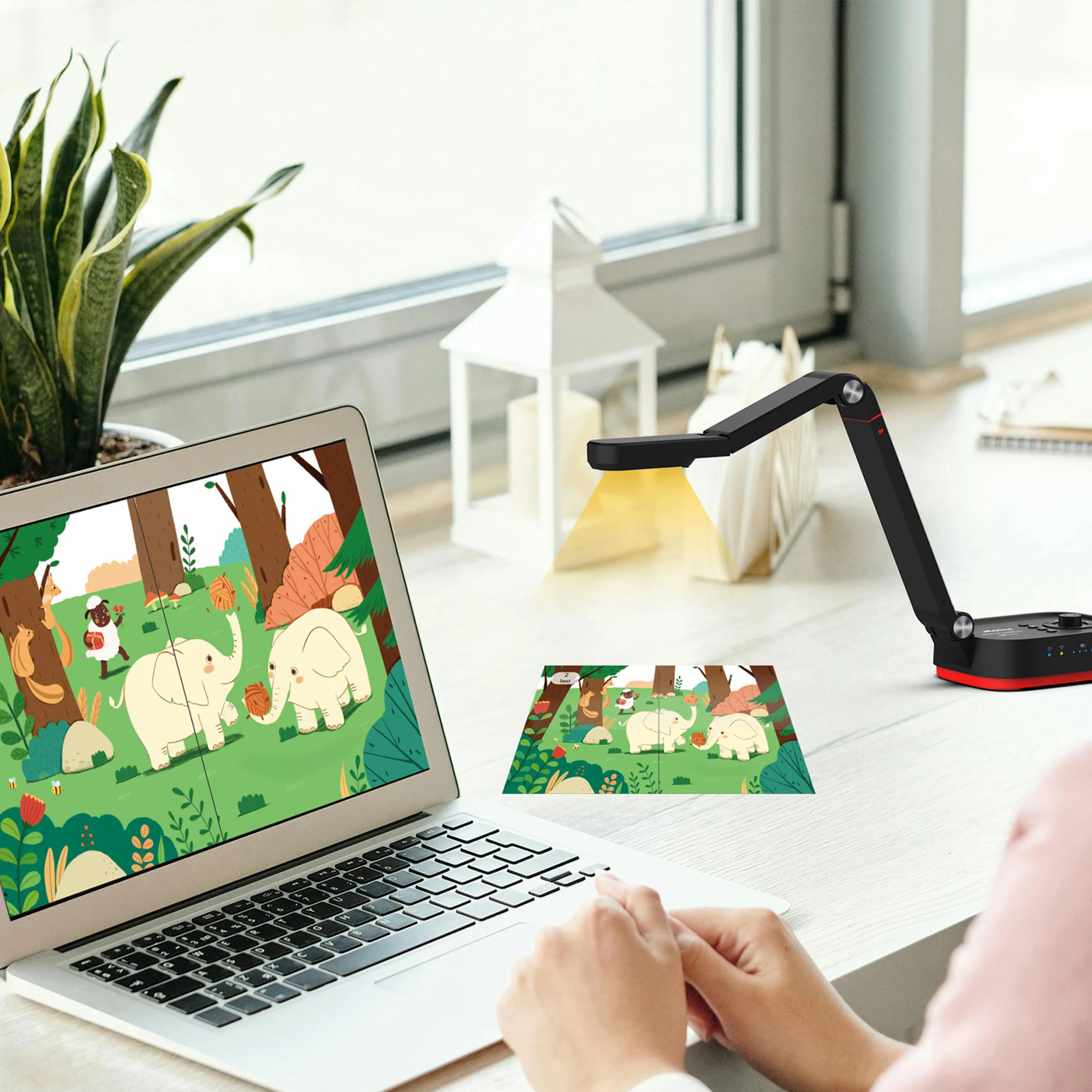
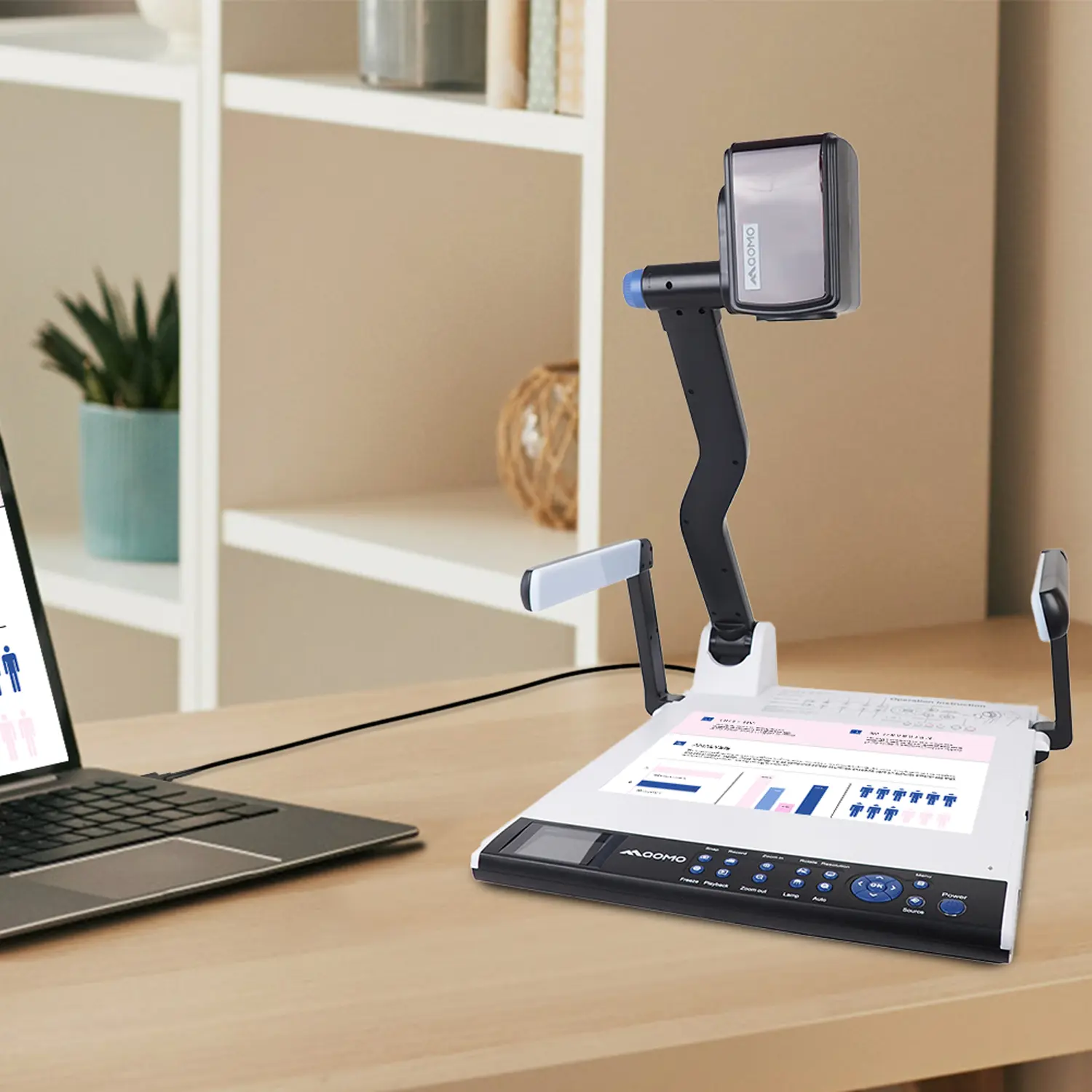
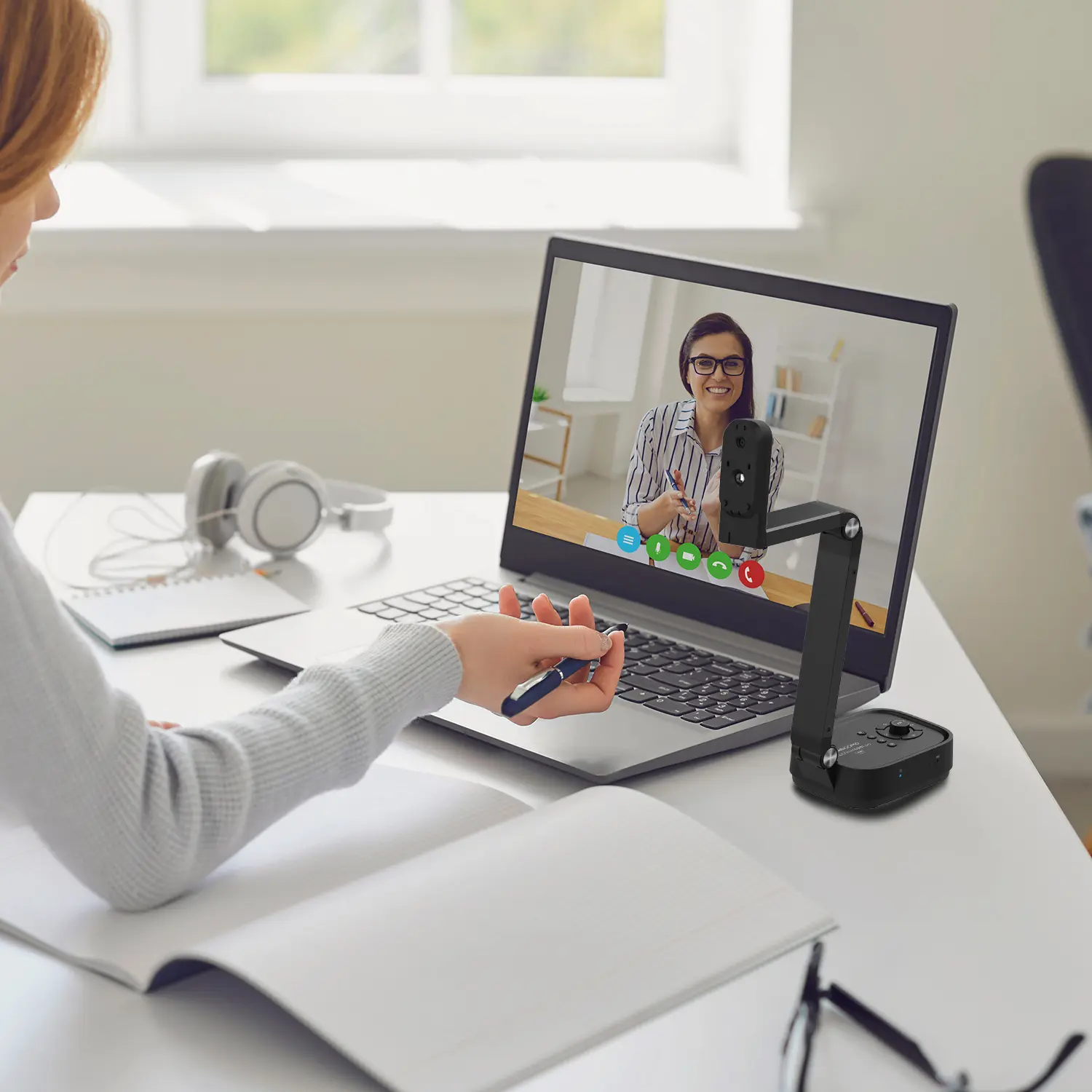
QCameraQCamera by QOMO allows for real-time streaming from cameras and document cameras. Annotate, save snapshots, record, and manipulate camera images instantly.
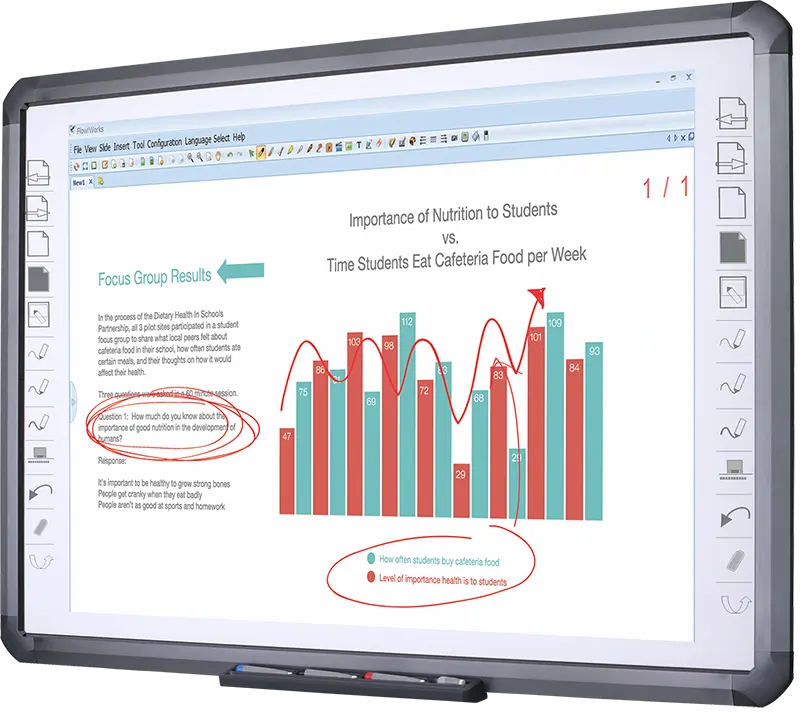
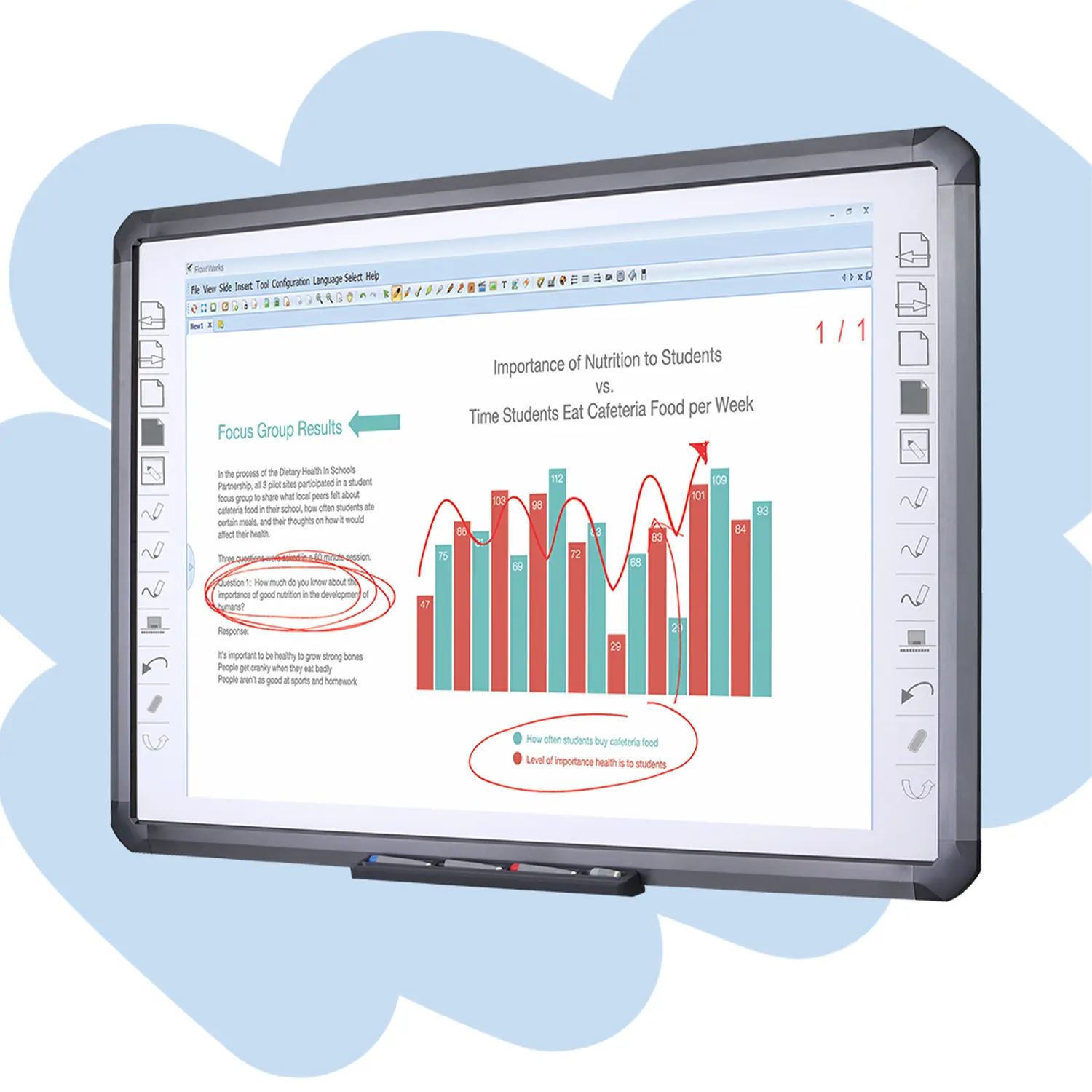
Flow!Works ProUser - friendly whiteboard software, it encompasses a wide range of presentation tools and powerful functions, delivering the most professional presentation experience to you.
Flow!WorksFlow!Works incorporates more educational tools, further enhancing the interactivity and fun - factor of your teaching.
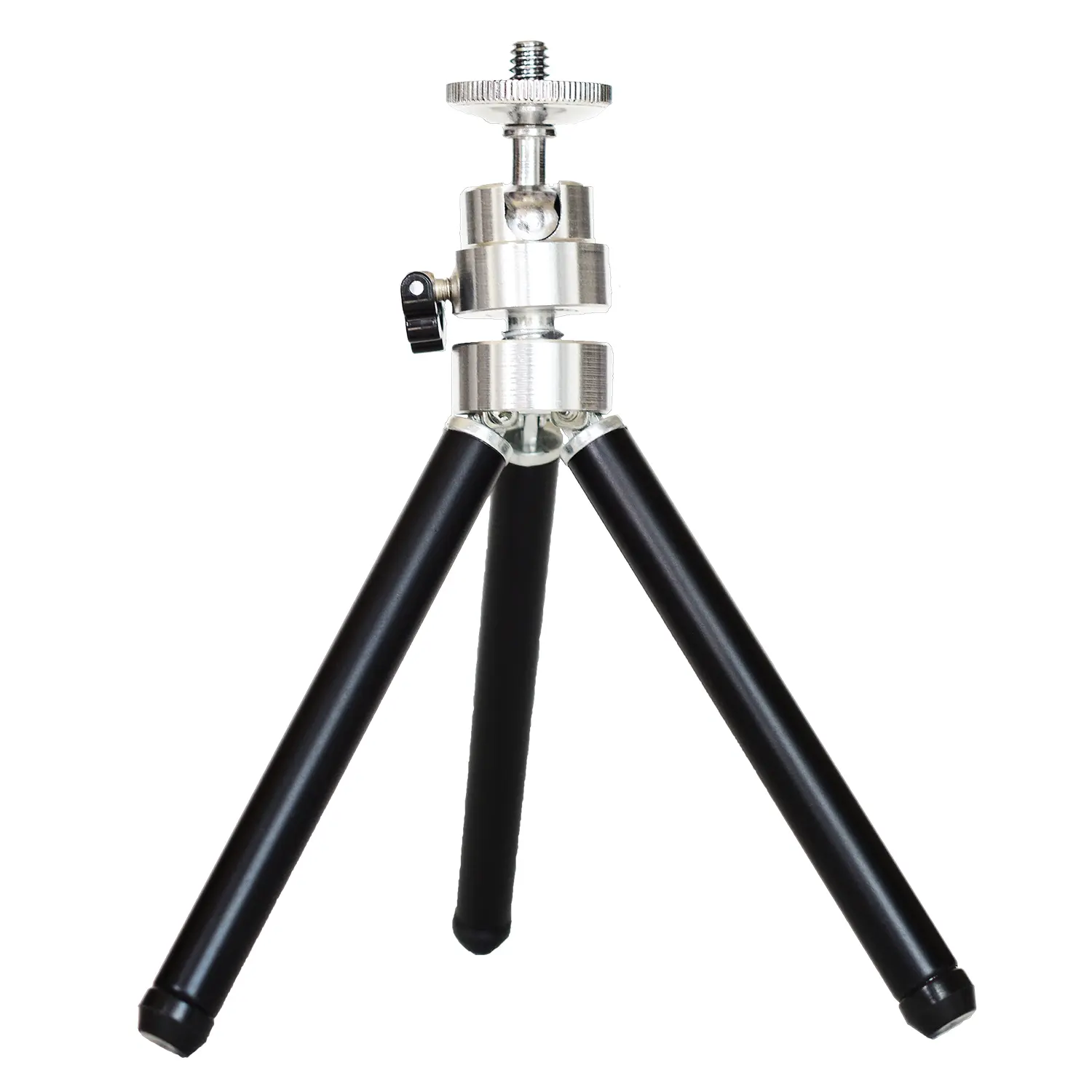
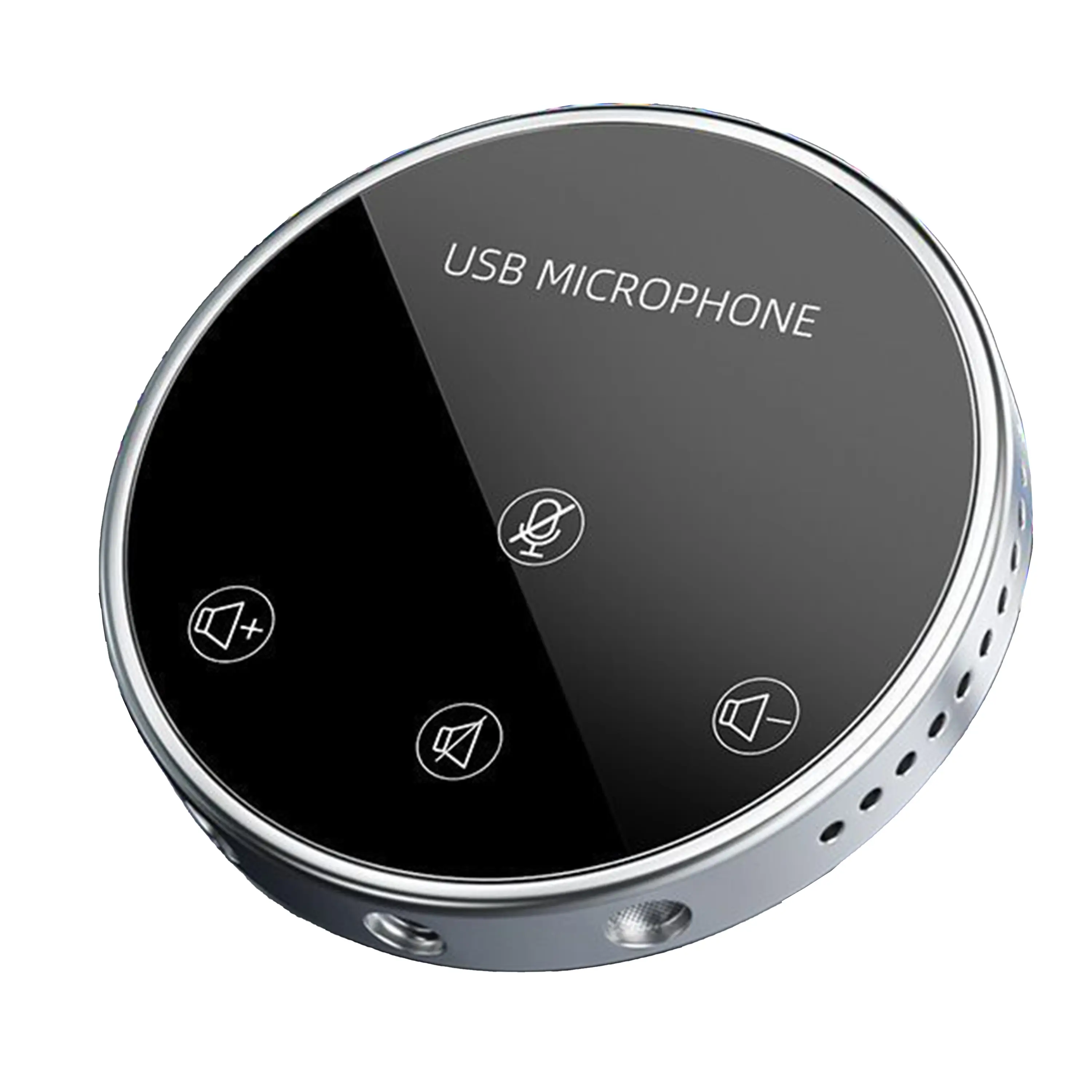
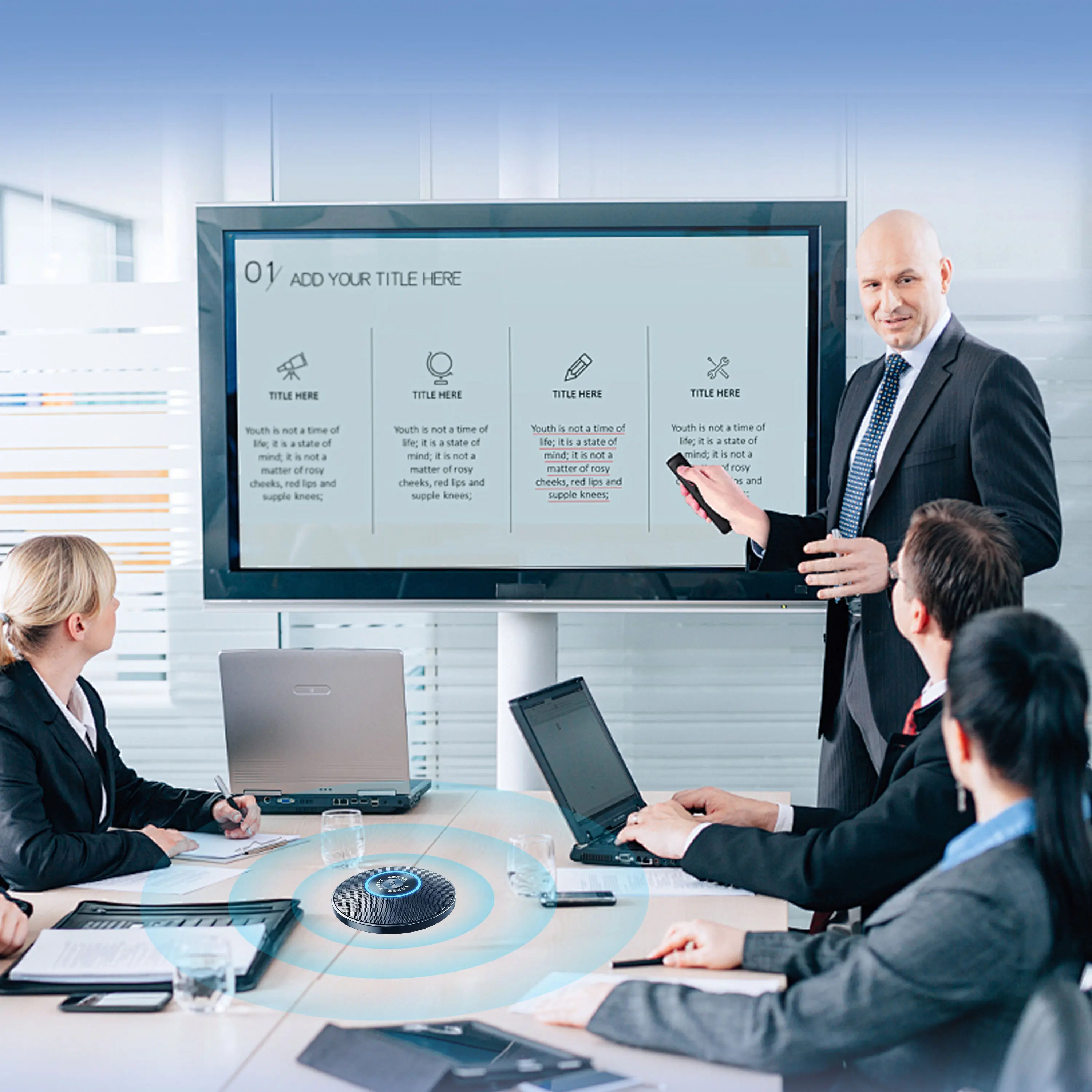
Conference Microphone● USB
● Plug and Play
● Intelligent Noise-Canceling
● 10ft/3m Extended Pickup Range
● 360° Omnidirectional Pickup
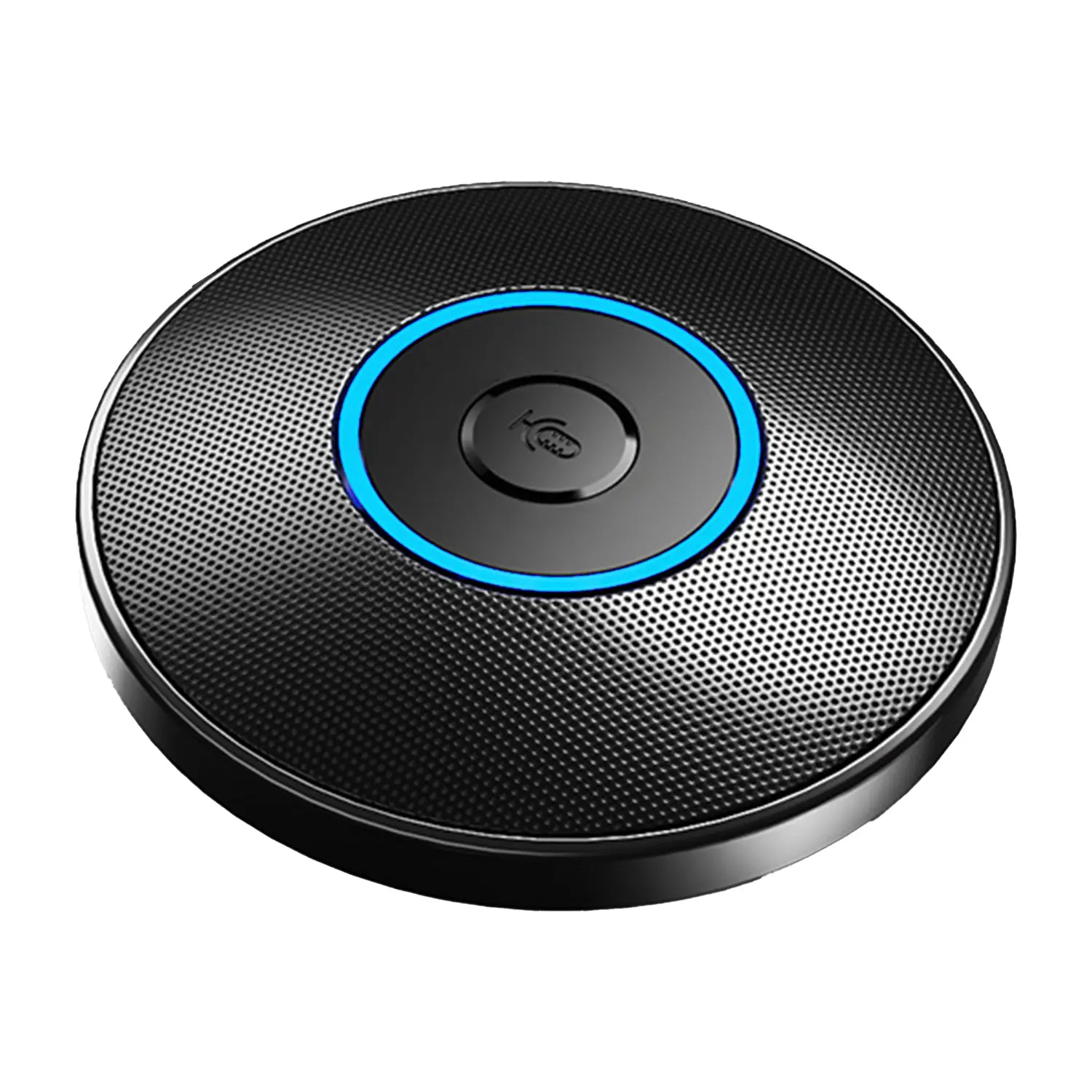
Conference Speakerphone● USB-C
● Plug and Play
● Intelligent Noise-Canceling
● 10ft/3m Extended Pickup Range
● 360° Omnidirectional Pickup
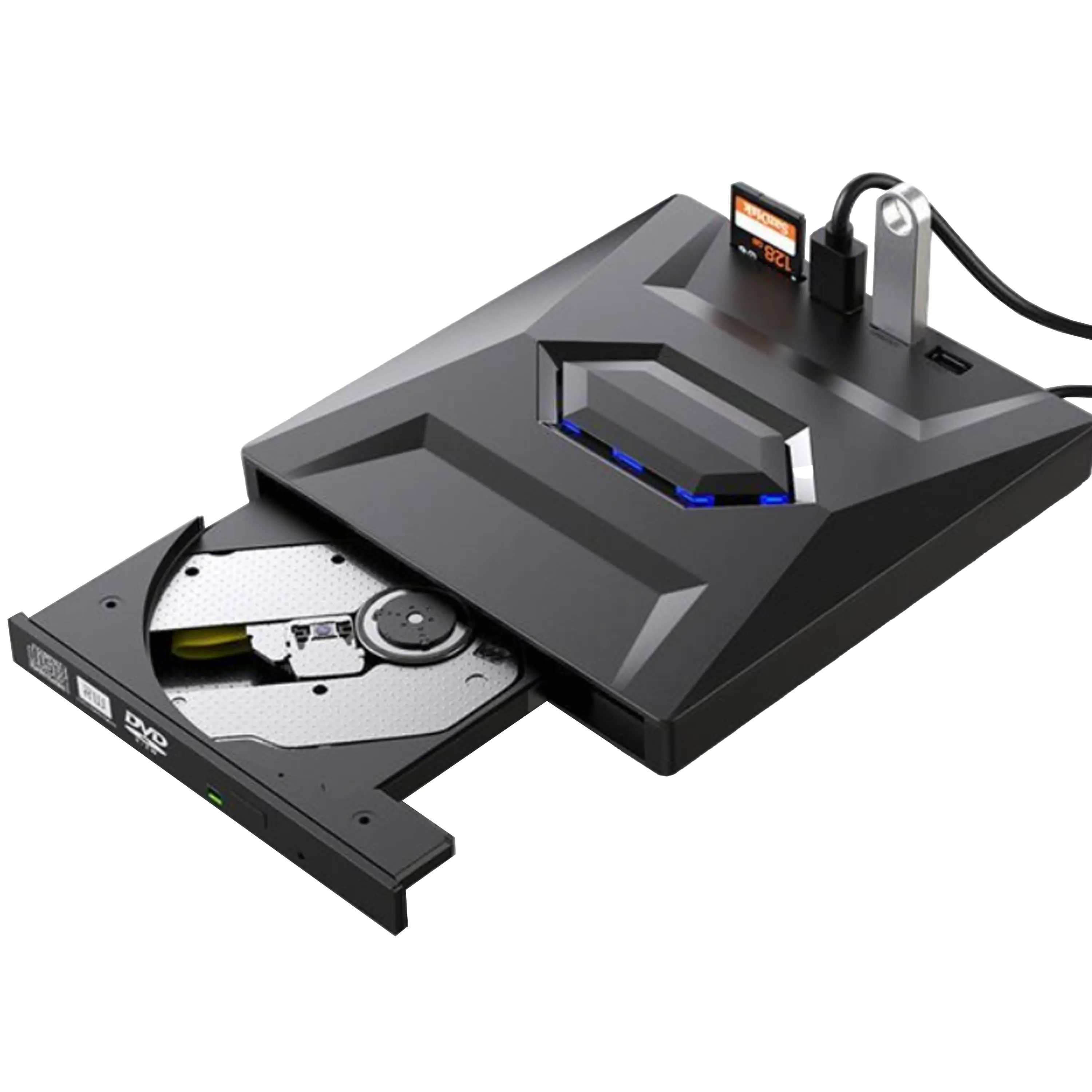
USB External CD/DVD Drive• USB and USB-C
• USB 3.0
• 8x DVD and 24x CD write/read speeds
• Portable
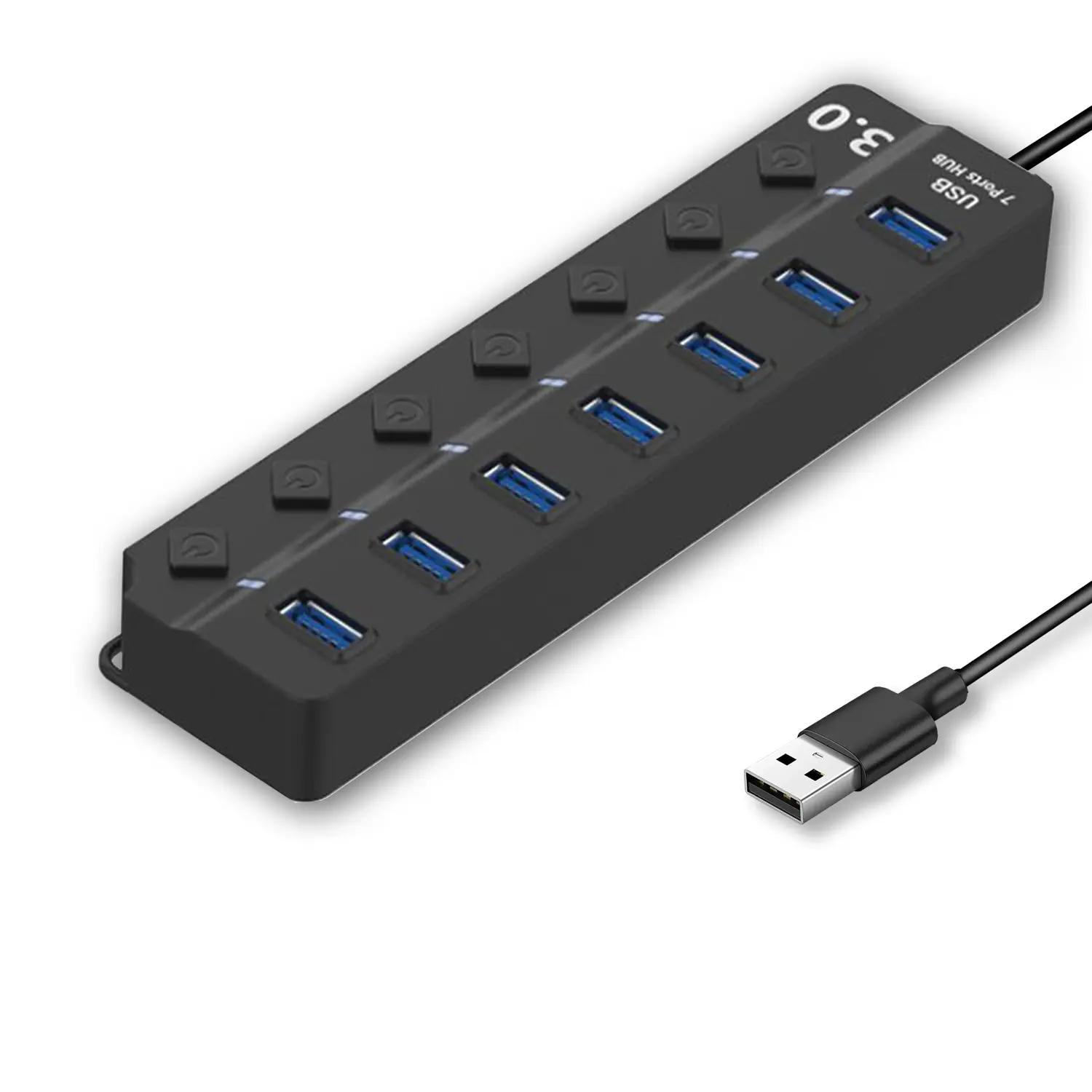
7-Port USB 3.0 Hub● USB 3.0
● Plug and Play
● 7-in-1 USB Hub
● Individual On/Off Switches
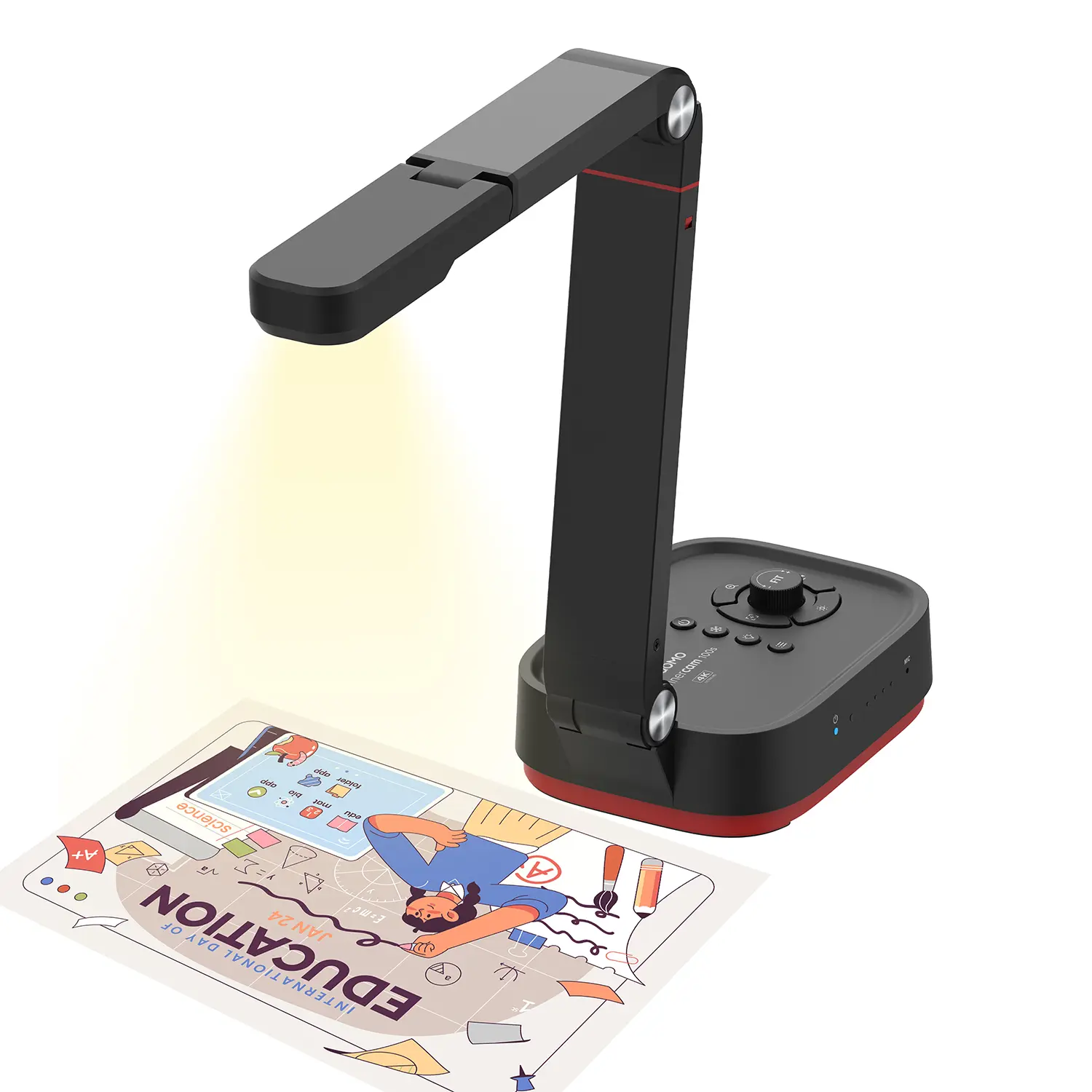
Revolutionize Your Presentations and Document Display with QWC 100S Document Camera
Enhance Call Experience: New Conference Microphone Now Available
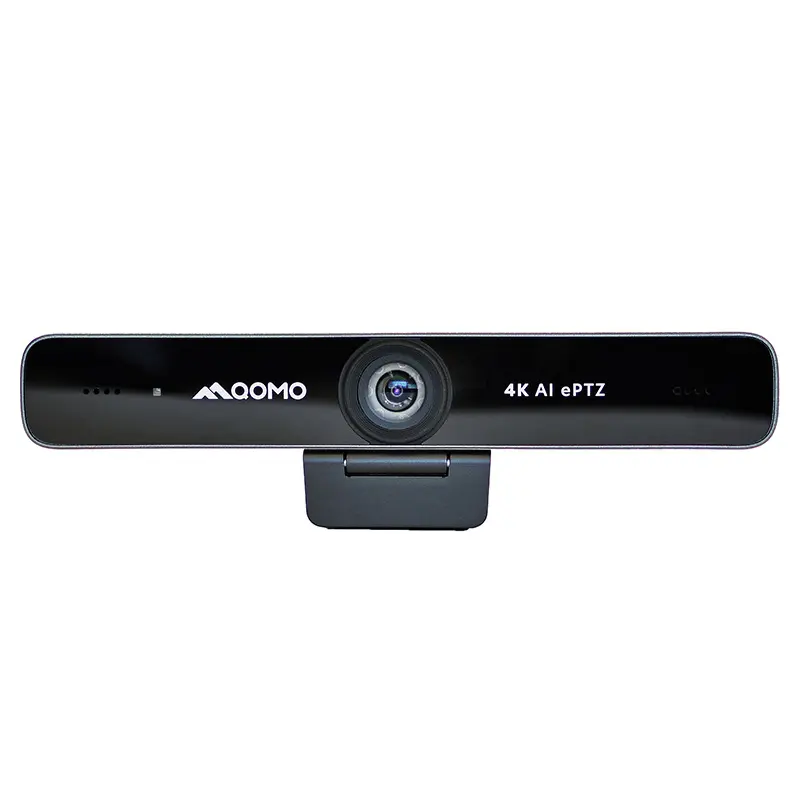
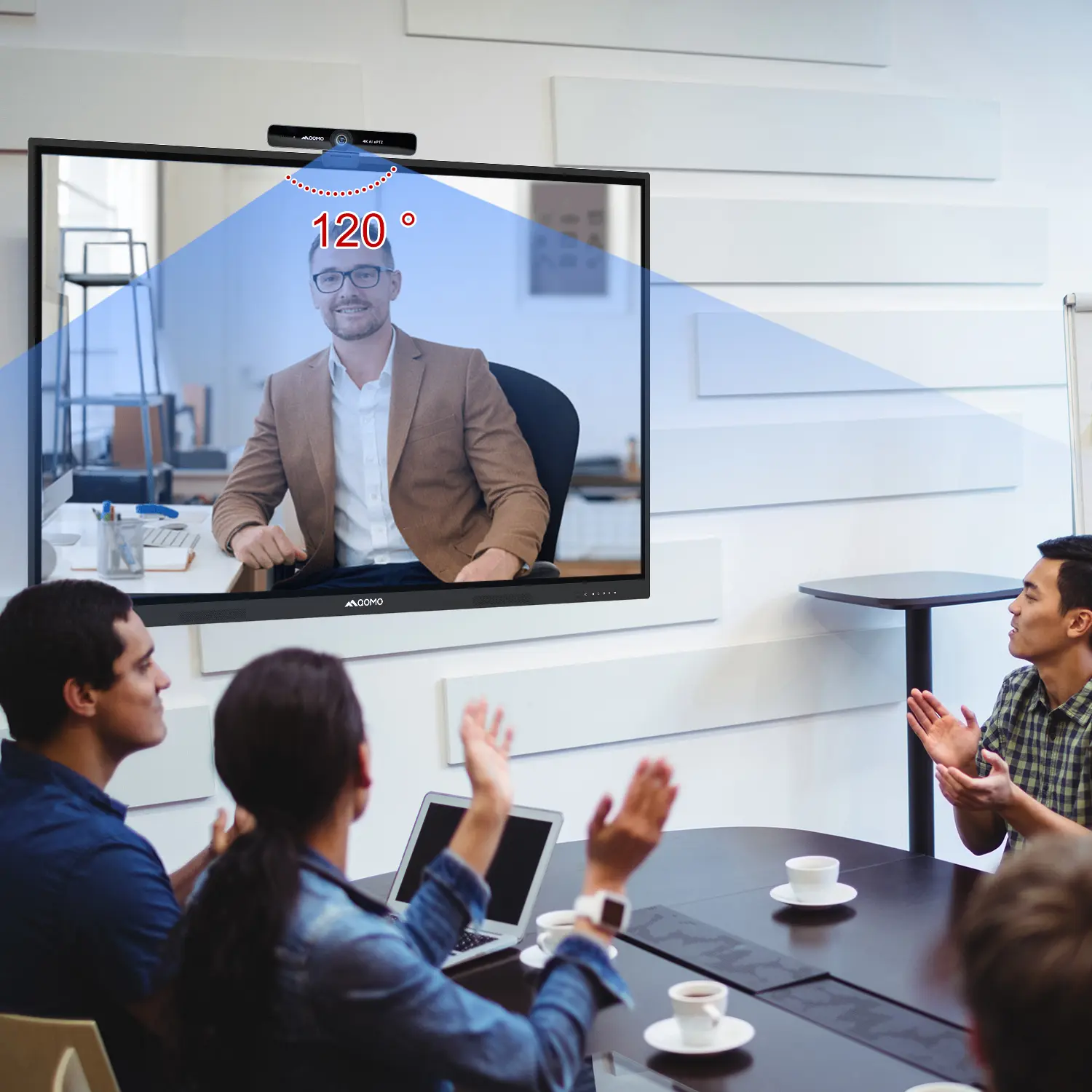
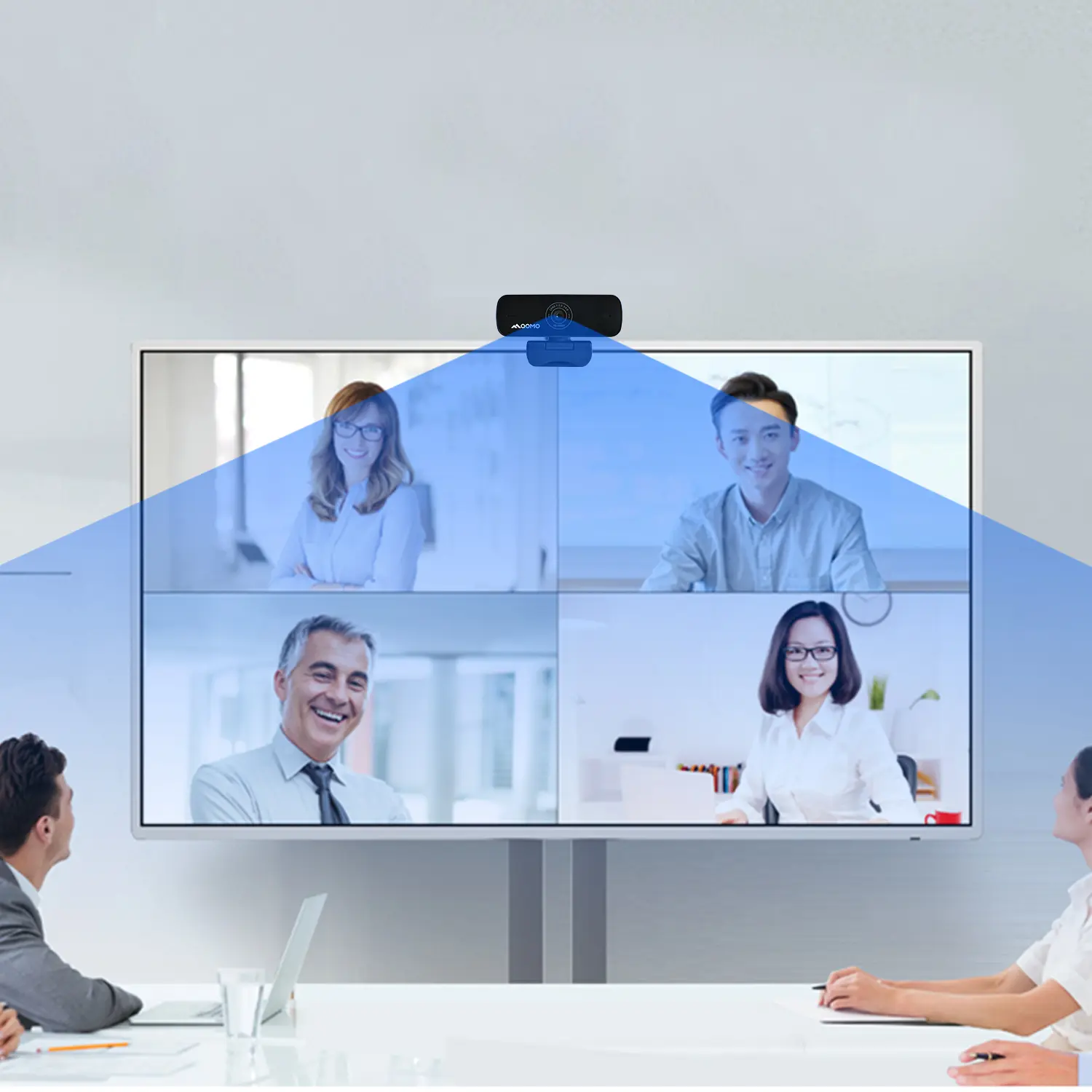
AI-Powered Face-Tracking Webcam
Portable Document Camera Recommendations
Classic Design, Exceptional Functionality: QPC 22 Document Camera
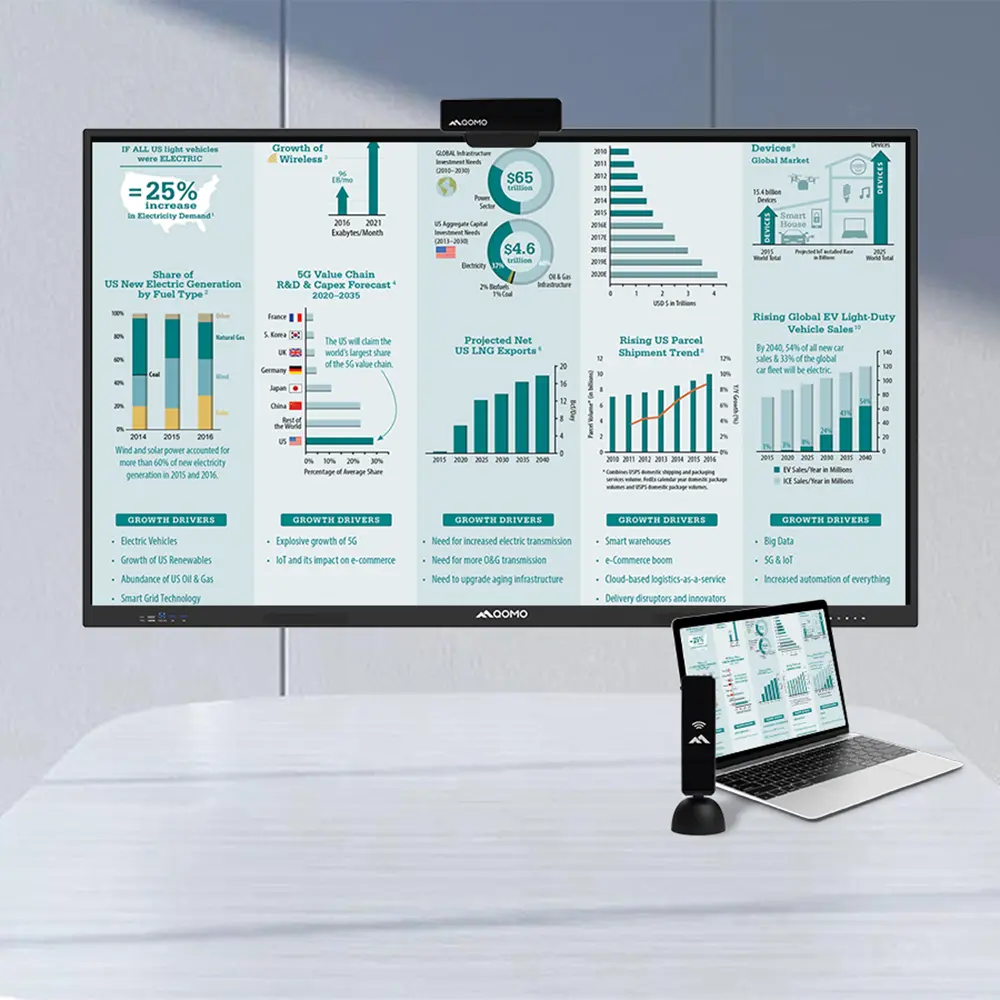
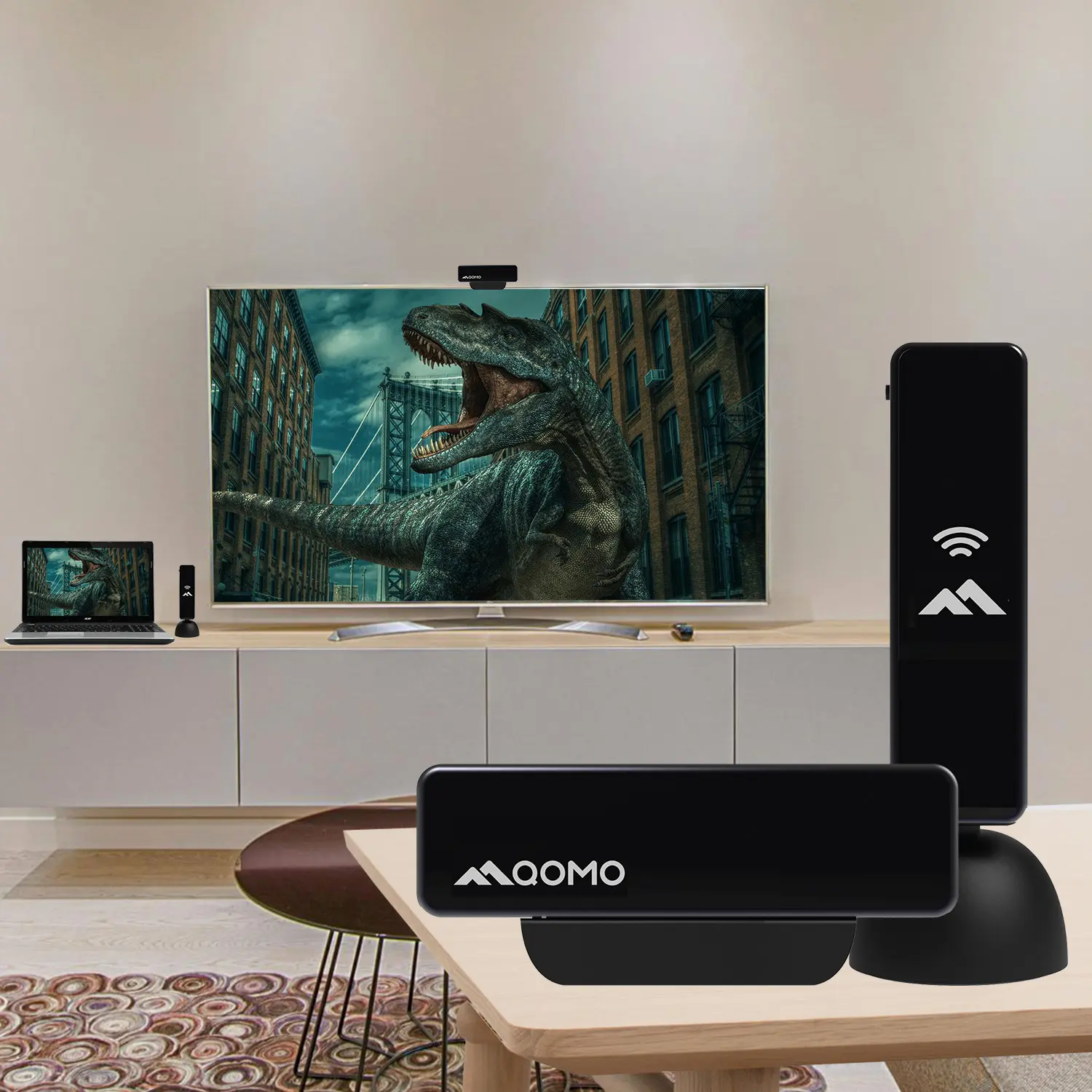
Wireless Screen Mirroring Solution for All Devices
Latest Audience Response System: QRF 999
Introducing the QPC 80H3 Gooseneck Document Camera
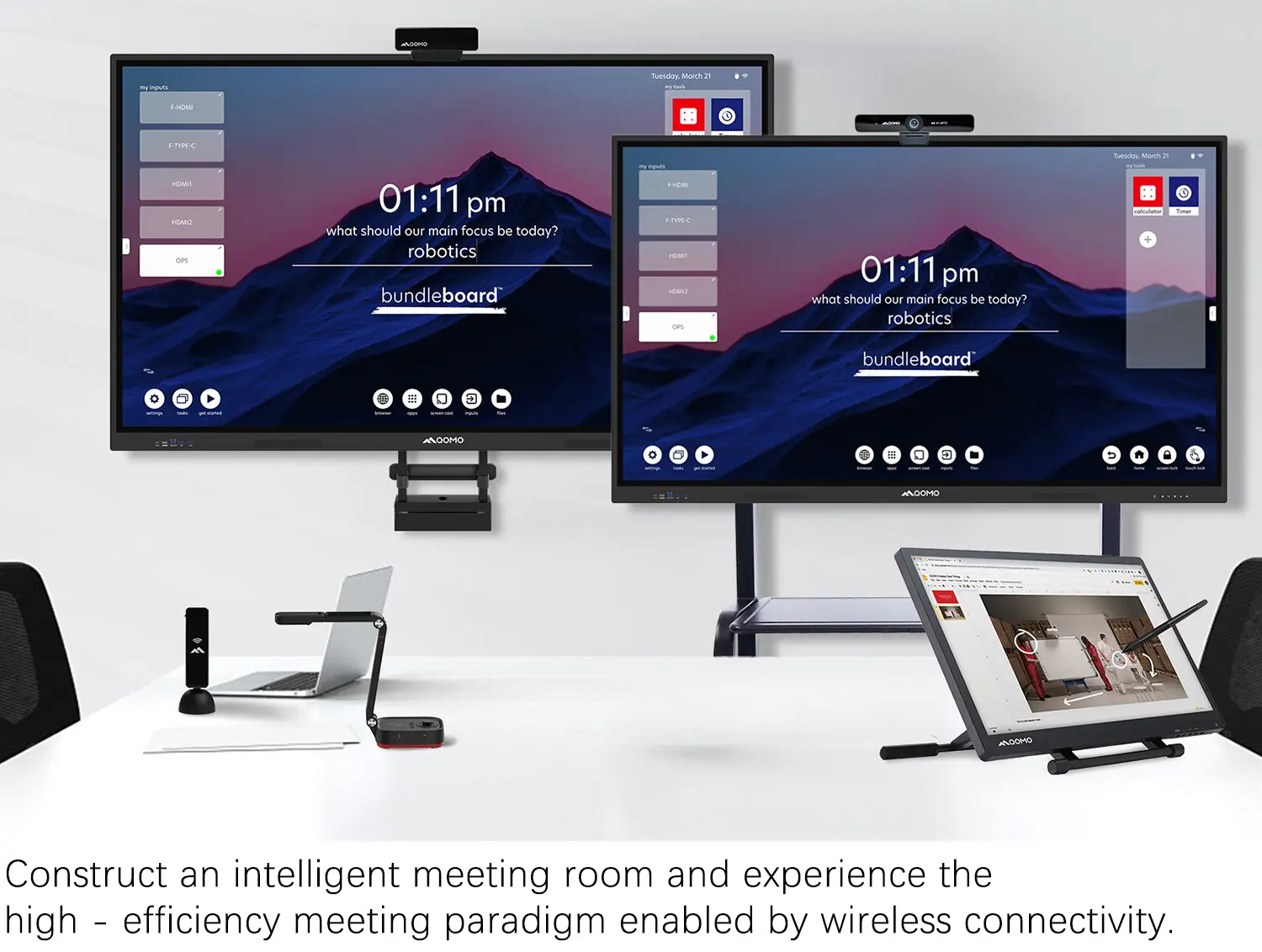
Creating a Smart Integrated Classroom: What Do You Need?
Wireless Connectivity Upgraded: WiFi-Free Wireless Document Receiver
Flow!Works Pro: Interactive Whiteboard Software for Engaging Classrooms
How to Choose the Perfect Document Camera and Elevate Productivity
QWC 004 Conference Webcam: The Top Choice for Remote Education
QCamera: Dedicated Software for Document Cameras to Elevate Your Presentations
QRF999 Voice Response System: Enhancing Teacher-Student Interaction
Work From Home? Maybe You Should Try This Document Camera
The Ultimate Educational Tool: Gooseneck Document Camera
60GHz Millimeter-Wave Wireless Screen Sharing: QShare 100
What Does a Modern Conference Room Need?
QD5000 Document Camera: Unimaginable Versatility!
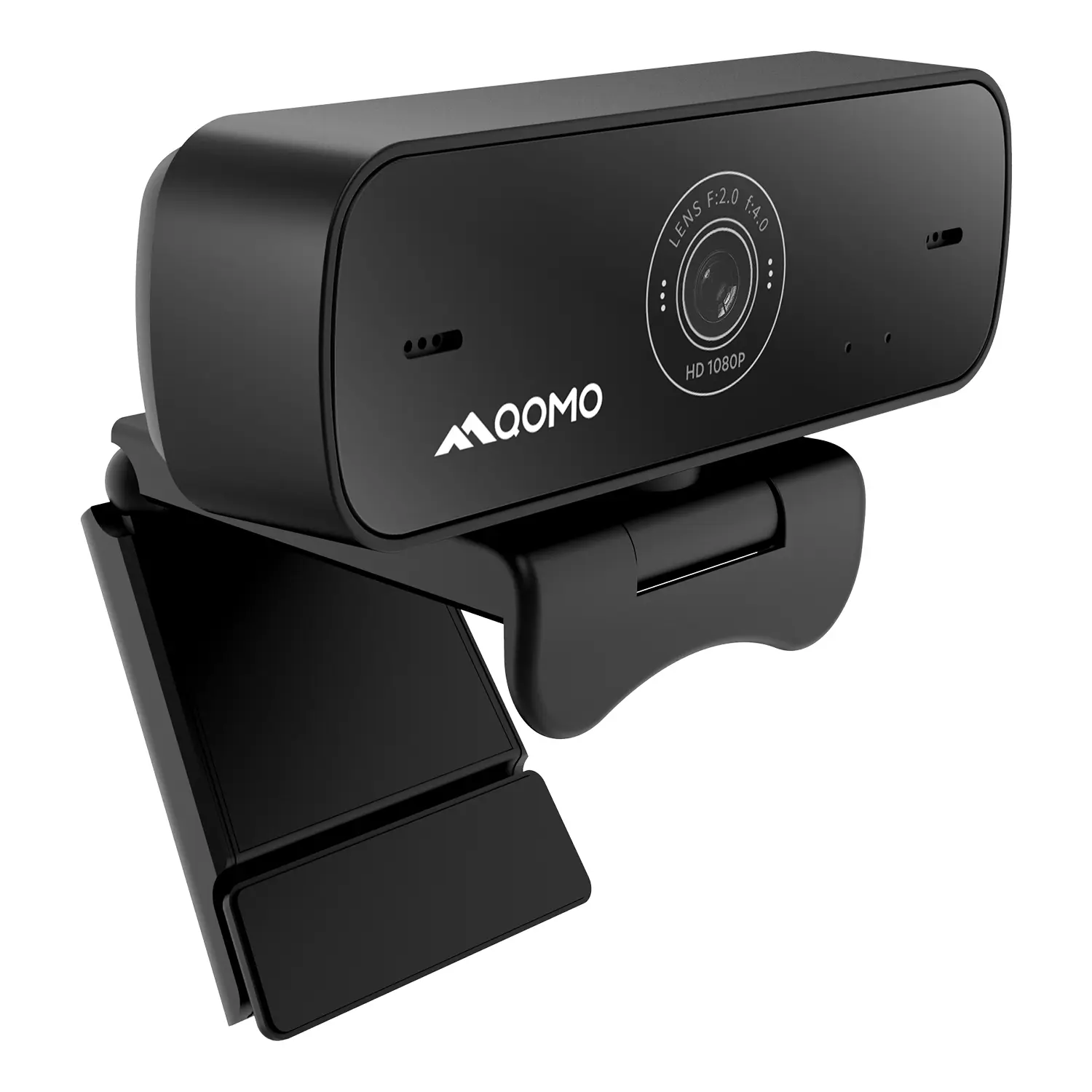
QWC 004: The Most Cost-Effective Webcam
QVote Interactive Classroom Response System Software
Functionality, Aesthetics, Portability! Meet the QWC 100S Document Camera!
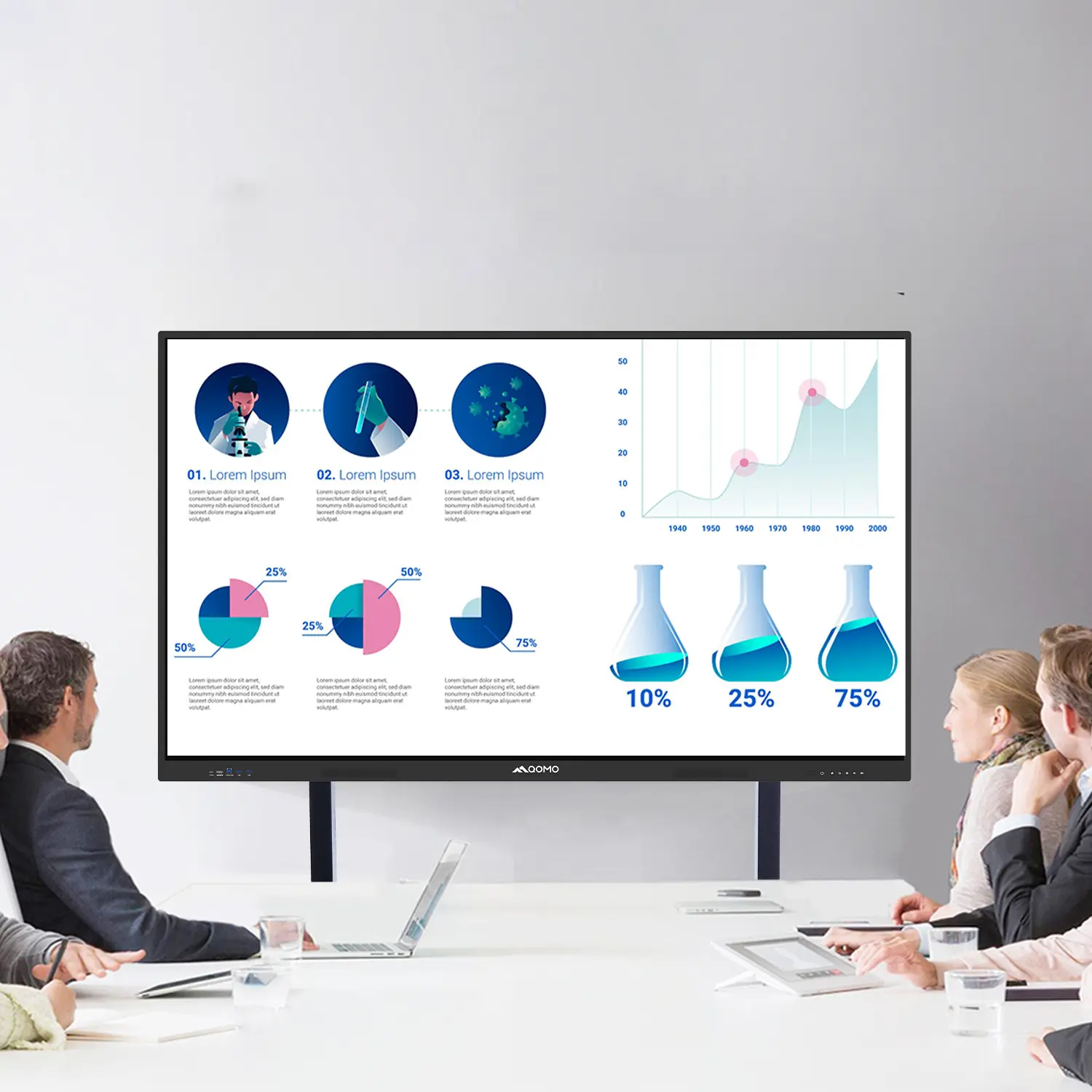
Why Choose the BundleBoard H/H2 Interactive Flat Panel?
Save Your Budget—Introducing the All-New QPC 70 Document Camera!
QIT 600F3: Revolutionize Your Presentations
QCamera: Professional Document Camera Software
QPC 5: The Ultimate 4K Portable Document Camera
Elevate Your Meetings in Seconds: QWC 006 Webcam
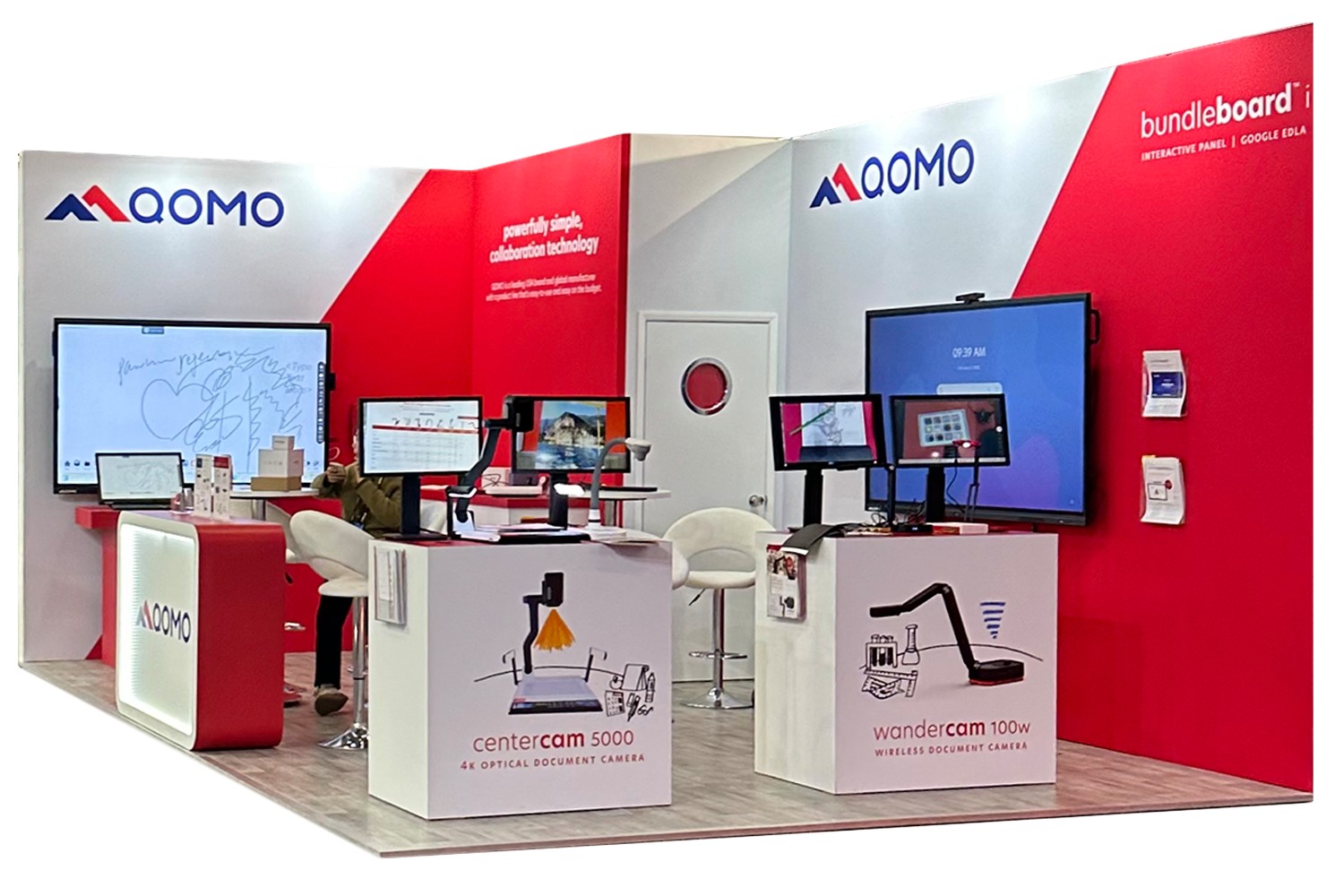
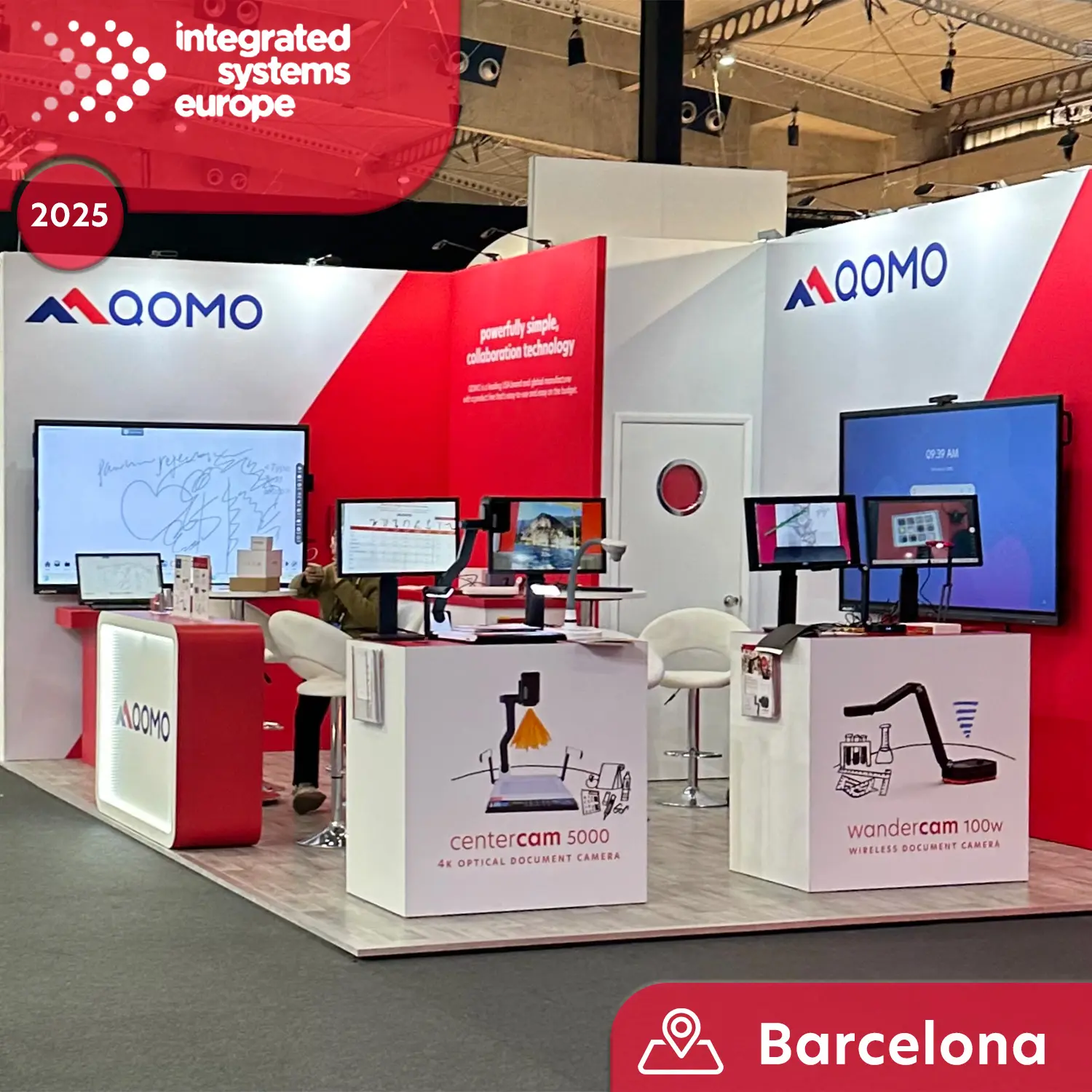
Meet QOMO at ISE 2025
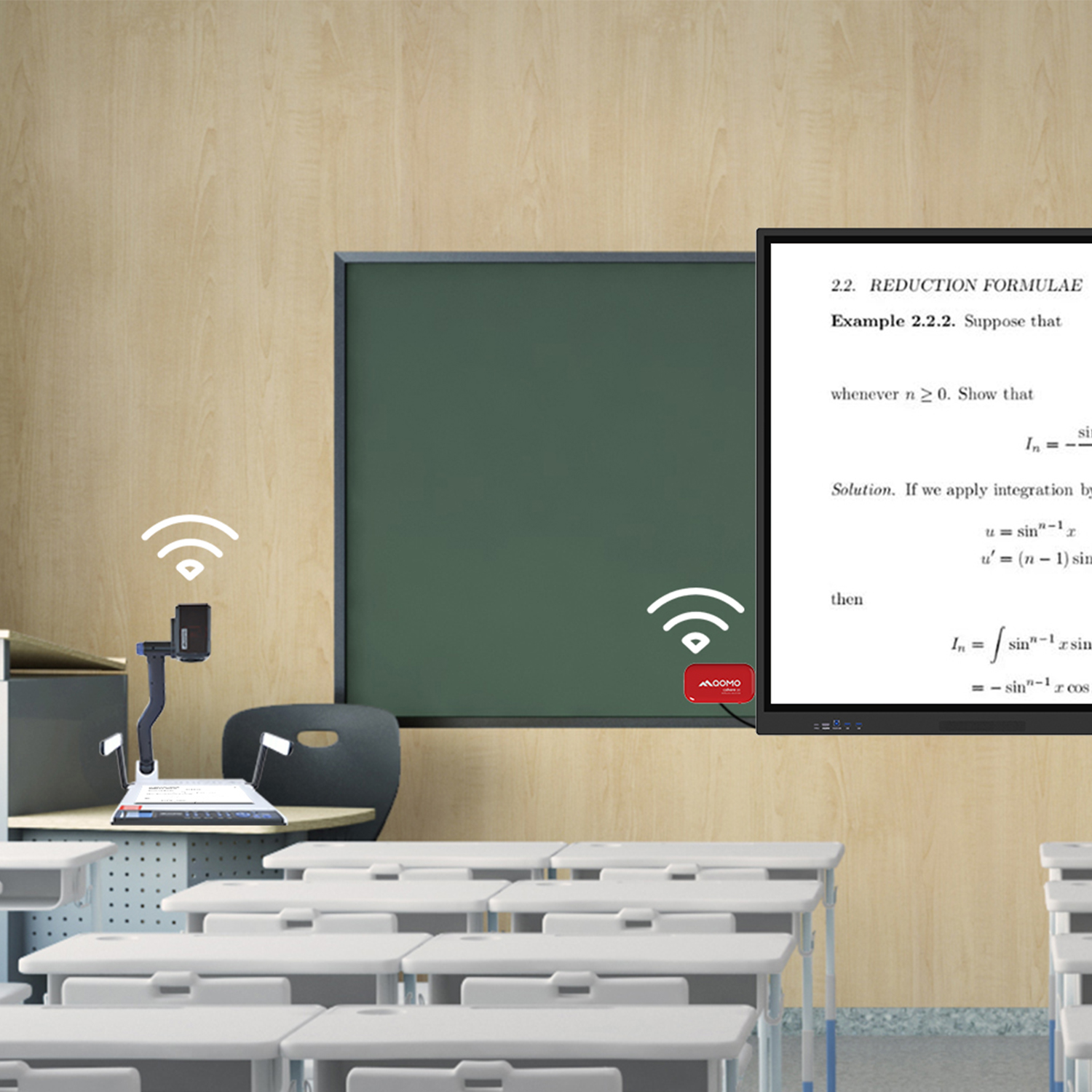
Wireless Document Camera Solution, Revolutionizing Wireless Technology
QRF Series, Transform Your Classroom!
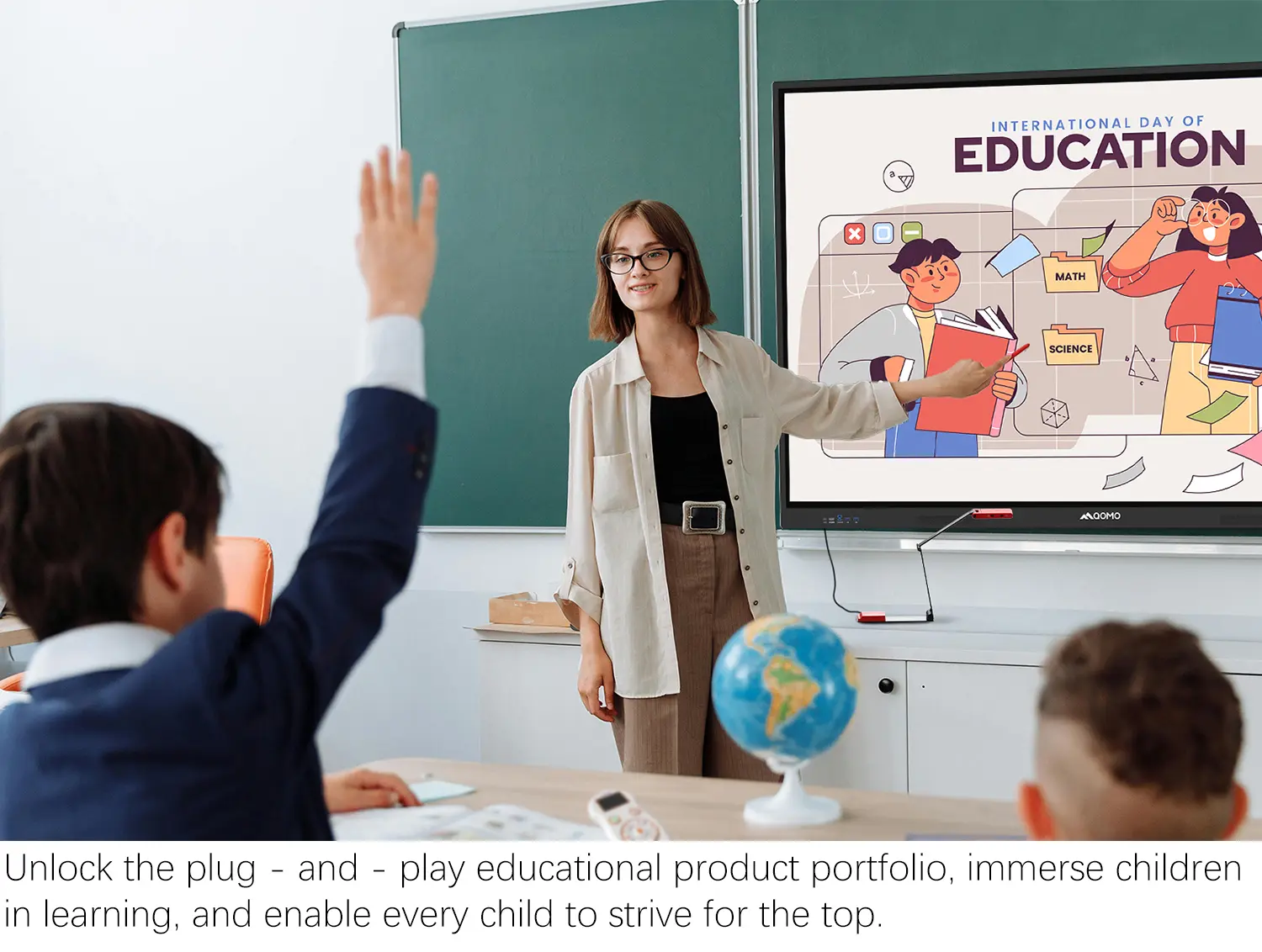
QOMO, Building Intelligent Classrooms
QOMO QShare100 New Release
Outstanding Office Equipment Recommendations
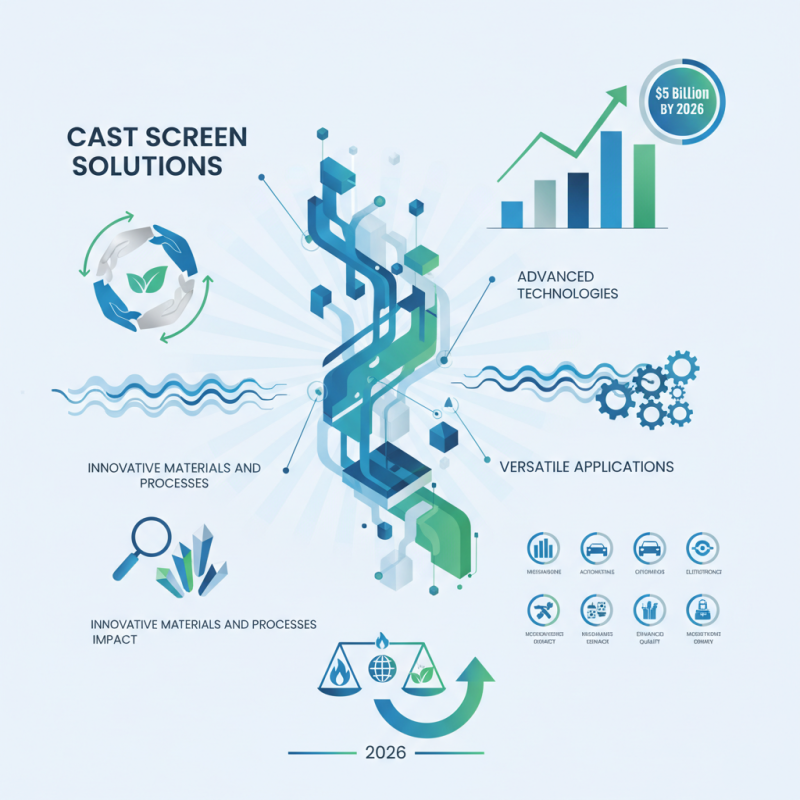
In recent years, the demand for Cast Screen solutions has surged. According to a report by Global Market Insights, the market is projected to reach $5 billion by 2026. This growth reflects the increasing reliance on advanced technologies in various industries. Experts emphasize the need for innovative materials and processes to improve performance.
Dr. Emily Chen, a prominent analyst in the casting industry, stated, “The future of Cast Screen technology lies in its ability to adapt to diverse applications.” This highlights the versatility of Cast Screen solutions, which are now essential for creating reliable and efficient products. Many global buyers are looking for tailored solutions that meet their specific needs.
Despite the positive outlook, challenges remain. There are concerns about sustainability and the environmental impact of casting processes. Industry players must address these issues while continuing to enhance quality. As we move towards 2026, the balance between innovation and responsibility will be key for the future of Cast Screen solutions.
In 2026, the cast screen solutions market is expected to undergo significant changes. Industry reports suggest a growth rate of around 7.5% annually. This rise reflects increased demand for high-quality, durable materials. As more industries prioritize sustainability, innovative materials are becoming essential.
Analysts believe that advanced manufacturing techniques will redefine product efficiency. Enhanced design capabilities will also improve user experience. However, there are concerns about the learning curve associated with these new technologies. Adapting workforce skills to meet these advancements remains a challenge.
The importance of reliability cannot be overstated. According to recent data, 40% of buyers prioritize long-lasting solutions. This trend emphasizes quality over cost. Despite this focus, many companies struggle to balance price and performance. A critical reflection on production practices is necessary. Ultimately, buyers must make informed decisions based on detailed market analyses. Engaging with industry experts can lead to better understanding and effective solutions.
| Solution Type | Application Area | Material | Screen Size (inches) | Max Resolution | Features |
|---|---|---|---|---|---|
| LED | Advertising | Glass Fiber | 55 | 4K | High Brightness, Weatherproof |
| LCD | Retail | Plastic | 50 | 1080p | Touch Screen, Energy Efficient |
| OLED | Home Entertainment | Organic Compound | 65 | 4K | High Contrast, Wide Viewing Angles |
| Projection Screen | Presentation | Matte Fabric | 100 | HD | Portable, Easy Setup |
| Curved Screen | Gaming | Plastic Composite | 34 | 1440p | High Refresh Rate, Immersive |
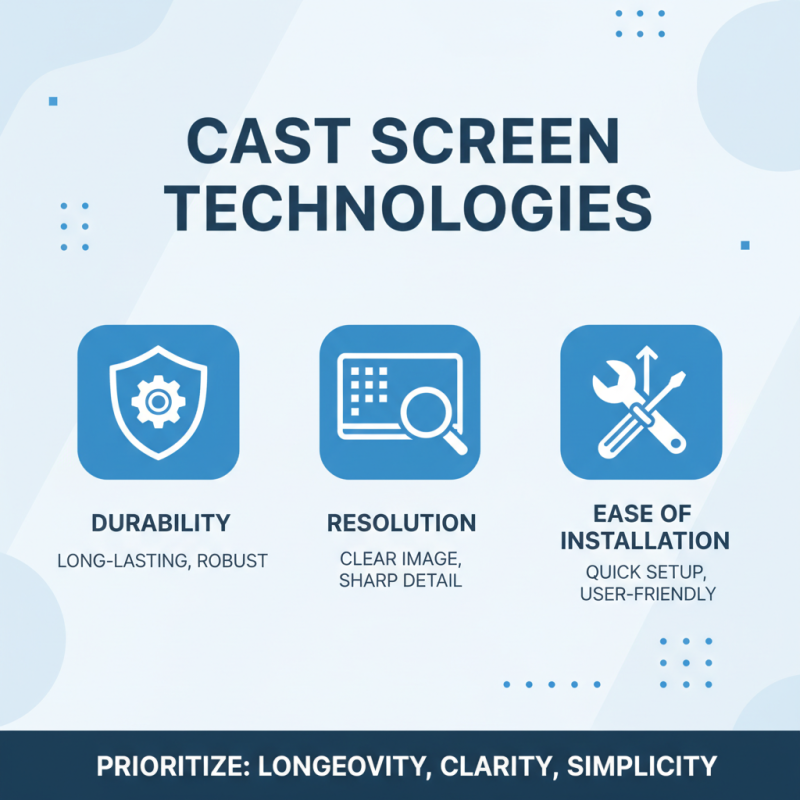
When evaluating cast screen technologies, several key features stand out. It's crucial to prioritize factors like durability, resolution, and ease of installation. Durability ensures that screens can withstand varying environments. A longer lifespan often equals a better return on investment. However, not all screens are robust enough for extreme conditions, which may merit further investigation.
Resolution significantly impacts visual clarity. Higher resolutions deliver better image quality, vital for applications needing precision. It's essential to consider the specific need for image quality. Sometimes, higher resolution may not be necessary, leading to overspending.
Tip: Always weigh your specific needs against screen specifications. Consider the context in which the screen will be used, as settings differ greatly. Installation ease can save time and resources, but it often comes down to the skill of the installation team.
Another important aspect is compatibility with existing technology. Screens must integrate seamlessly with current systems. This can be a challenge, especially in older setups. Ensuring that a new screen works well with your technology is a step worth planning for.
Tip: Analyze the anticipated lifespan of both the screen and the other equipment. Evaluate if future upgrades can accommodate these technologies easily.
The market for cast screens is evolving rapidly. Recent industry reports suggest a 12% growth rate in demand by 2026. This surge is driven by diverse factors, including technological advancements and increasing applications across several sectors. Industries like mining and construction are particularly influential in shaping market trends. Their need for durability and efficiency propels innovation in cast screen design.
A noticeable trend is the rising interest in eco-friendly materials. Buyers are now prioritizing sustainability. Reports indicate that 40% of global buyers are shifting towards greener manufacturing options. This change points to a broader commitment to environmental responsibility. However, not all manufacturers are ready to adapt. There remains a gap between production capabilities and market expectations.
Moreover, regional variations affect demand significantly. For instance, Asia-Pacific is projected to dominate the market share. Countries like China and India lead in production and consumption. Yet, challenges persist, including supply chain disruptions and fluctuating raw material prices. These issues may hinder growth. The market must focus on resilient strategies to meet the evolving needs of global buyers.
In 2026, the landscape of cast screen solutions has evolved significantly. Leading manufacturers are focusing on advanced technologies to provide high-quality and efficient products. Innovations in materials and design are at the forefront. These improvements cater to global buyers' ever-changing needs. Enhanced durability, lighter weight, and superior visual clarity dominate the market. Users are now looking for screens that can withstand various environments while maintaining performance.
Tip: Prioritize your specific needs when choosing a cast screen. Consider factors like environment and usage frequency. This will ensure you select the right product for your situation.
Experts indicate that the integration of smart technology with casting solutions is gaining traction. Many manufacturers are adopting sustainability practices. These practices include using eco-friendly materials and energy-efficient processes. There is a conscious effort to reduce waste in production. This shift addresses not just the market demand but also environmental concerns.
Tip: Explore manufacturers' sustainability reports. These details can reveal their commitment to environmentally friendly practices. Understanding their contribution can positively influence your decision-making.
Overall, the innovations within 2026’s cast screen solutions reflect a blend of technology and sustainability. As the market progresses, staying informed about these trends will be crucial for buyers.
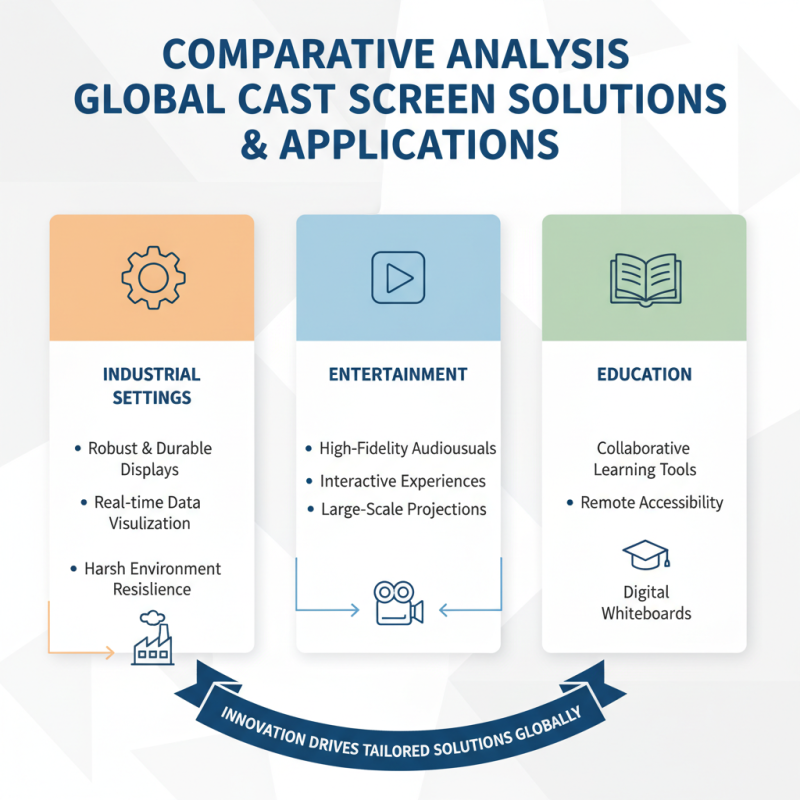
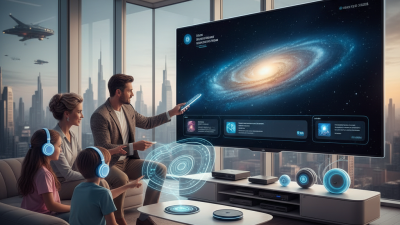
The landscape of cast screen solutions is evolving rapidly. Various global markets demand innovative approaches tailored to specific applications. While some methods excel in industrial settings, others shine in entertainment or education. Each solution offers unique features and potential benefits.
In sectors like manufacturing, durability is crucial. A robust cast screen can withstand harsh conditions. However, flexibility in design may be compromised. On the other hand, cast screens in the entertainment industry prioritize visual quality. They often come with advanced technology to enhance user experience. Yet, this might lead to higher operational costs, prompting businesses to weigh their options carefully.
The applications of cast screens are diverse but not without challenges. Some solutions may lack interoperability with existing systems. This can hinder seamless integration and communication. Furthermore, customer support varies significantly across providers. Users often share frustrations regarding inadequate service. Therefore, understanding these dynamics is vital for informed decision-making.