+86 152 8002 3723
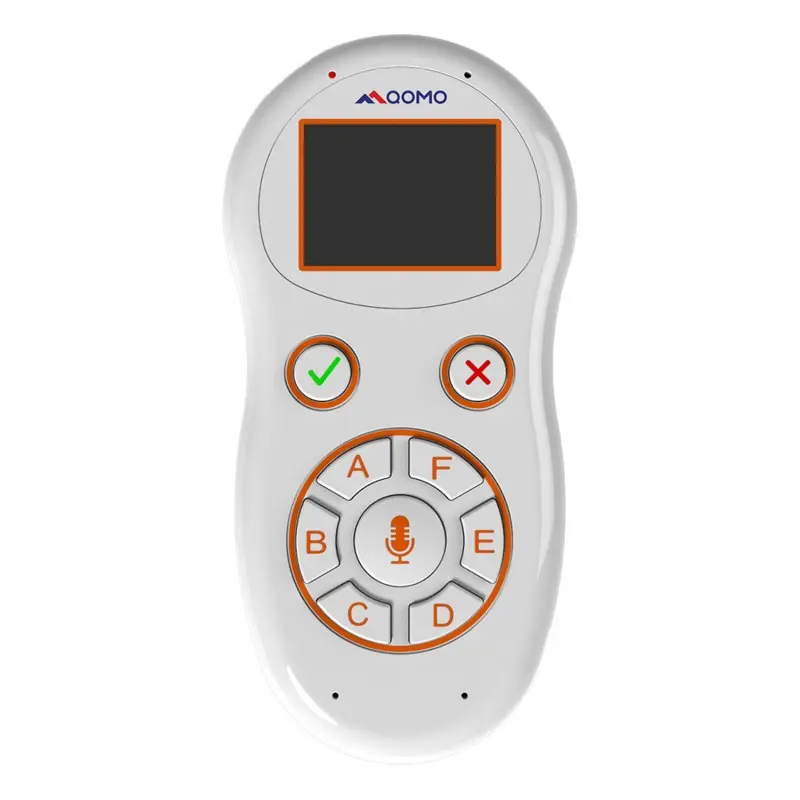
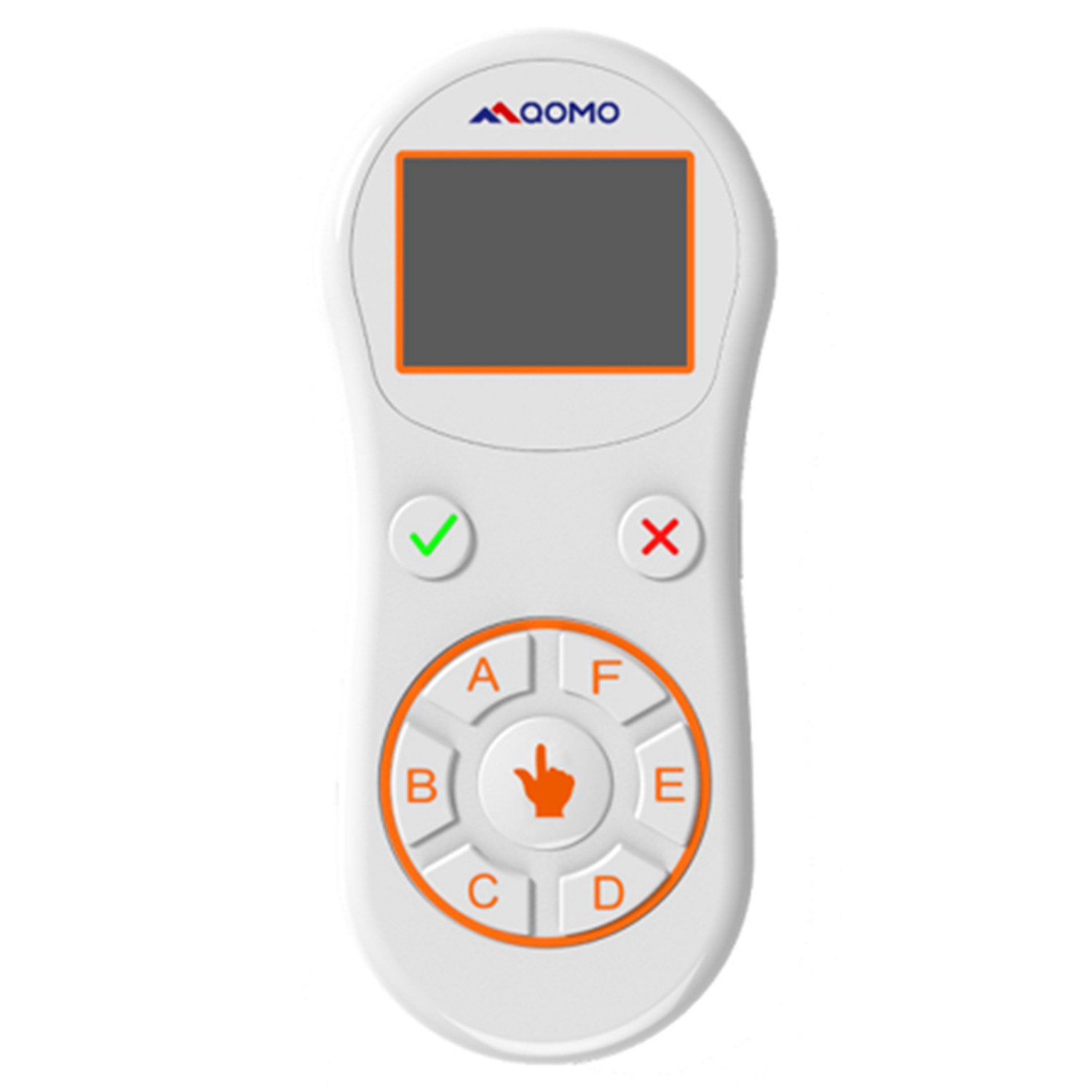
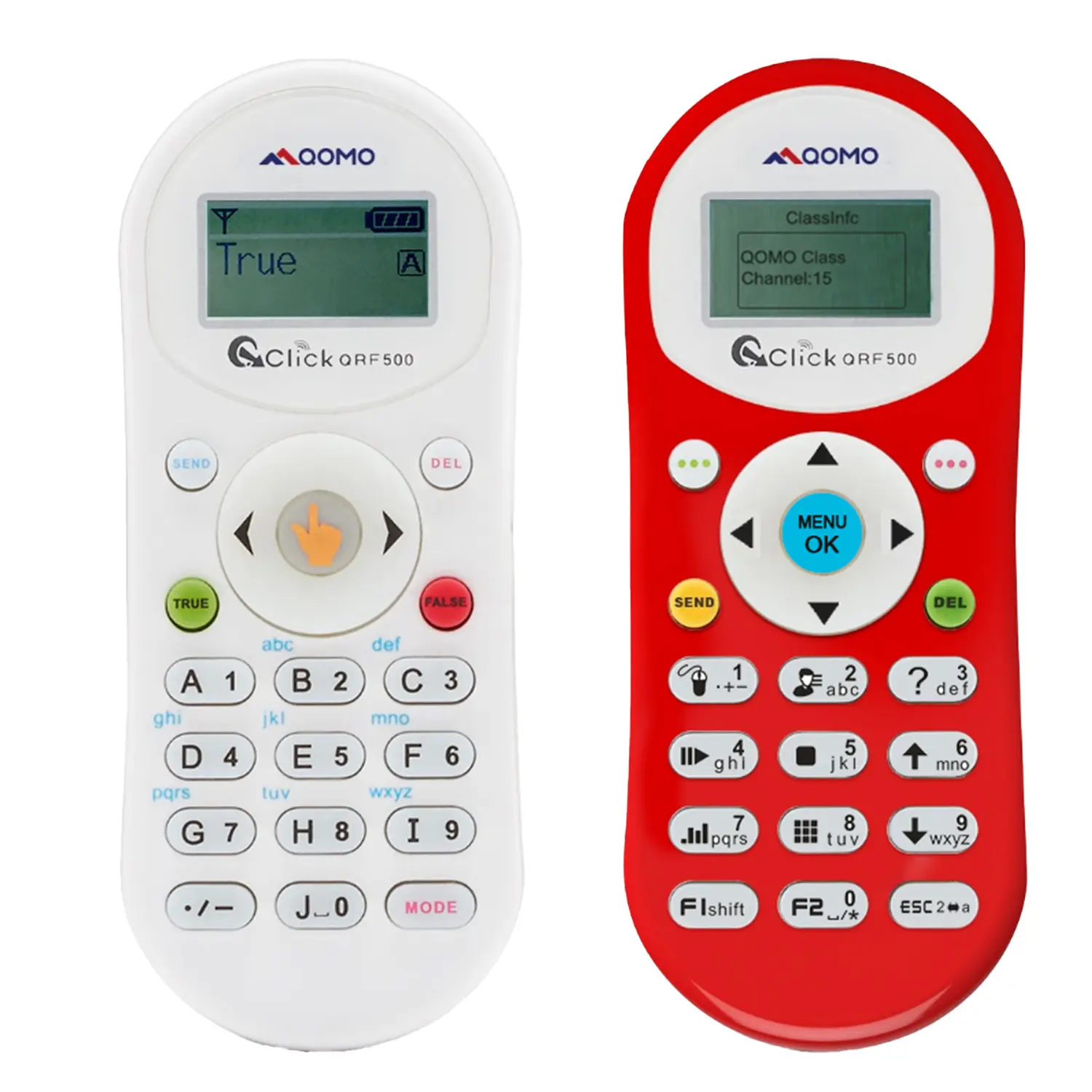
QVoteProfessional Audience Response System software offers the most convenient functions for your interactions.
QClickThe most convenient educational software for working with Microsoft PowerPoint to quickly set up various question types and generate intelligent feedback reports.
QCameraQCamera by QOMO allows for real-time streaming from cameras and document cameras. Annotate, save snapshots, record, and manipulate camera images instantly.
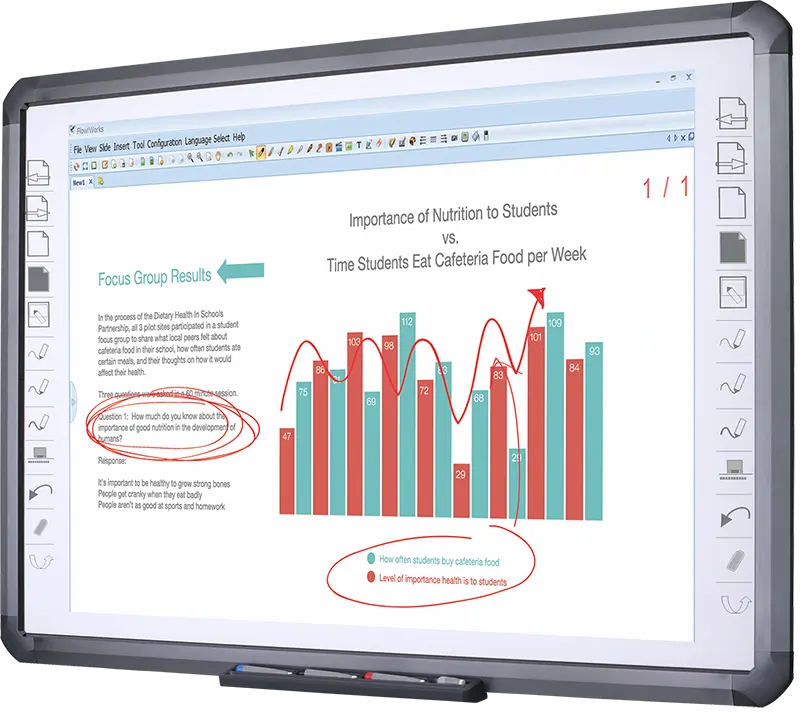
Flow!Works ProUser - friendly whiteboard software, it encompasses a wide range of presentation tools and powerful functions, delivering the most professional presentation experience to you.
Flow!WorksFlow!Works incorporates more educational tools, further enhancing the interactivity and fun - factor of your teaching.
Conference Microphone● USB
● Plug and Play
● Intelligent Noise-Canceling
● 10ft/3m Extended Pickup Range
● 360° Omnidirectional Pickup
Conference Speakerphone● USB-C
● Plug and Play
● Intelligent Noise-Canceling
● 10ft/3m Extended Pickup Range
● 360° Omnidirectional Pickup
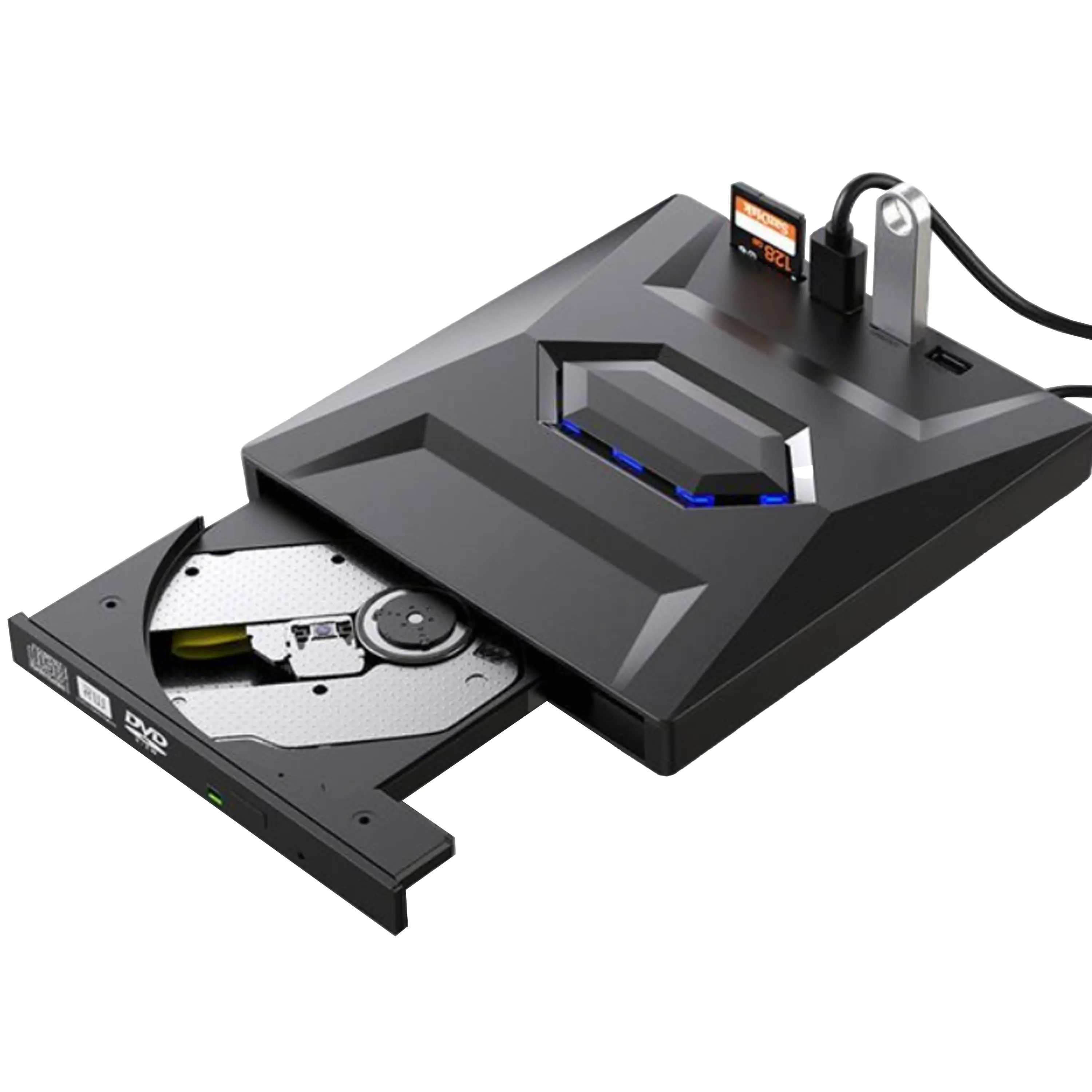
USB External CD/DVD Drive• USB and USB-C
• USB 3.0
• 8x DVD and 24x CD write/read speeds
• Portable
7-Port USB 3.0 Hub● USB 3.0
● Plug and Play
● 7-in-1 USB Hub
● Individual On/Off Switches
Revolutionize Your Presentations and Document Display with QWC 100S Document Camera
Enhance Call Experience: New Conference Microphone Now Available
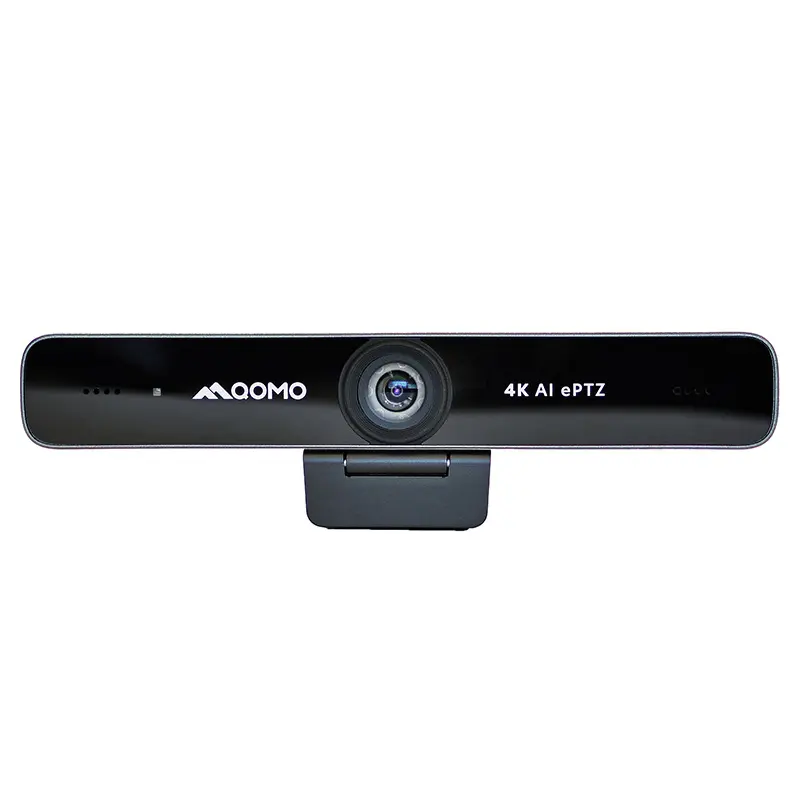
AI-Powered Face-Tracking Webcam
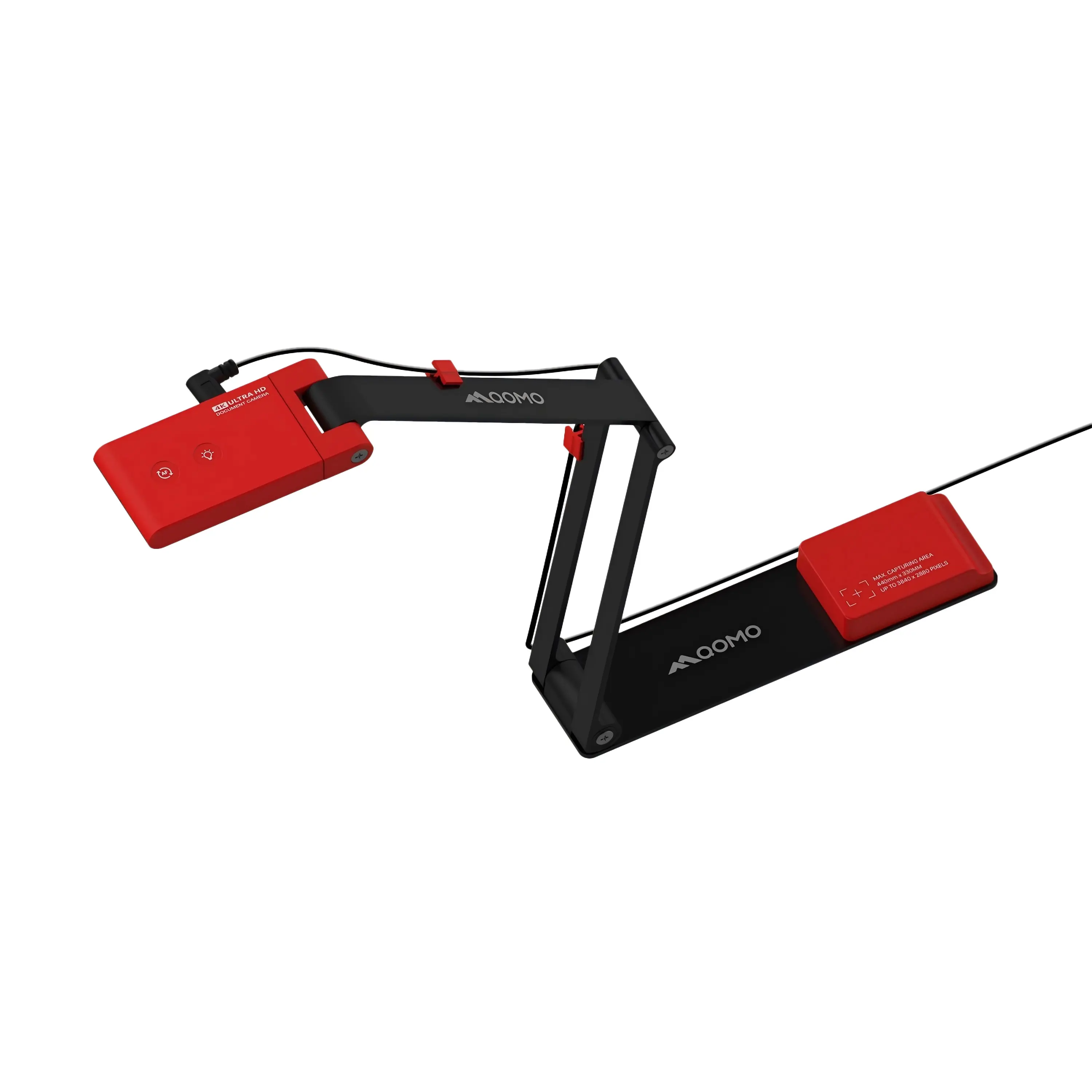
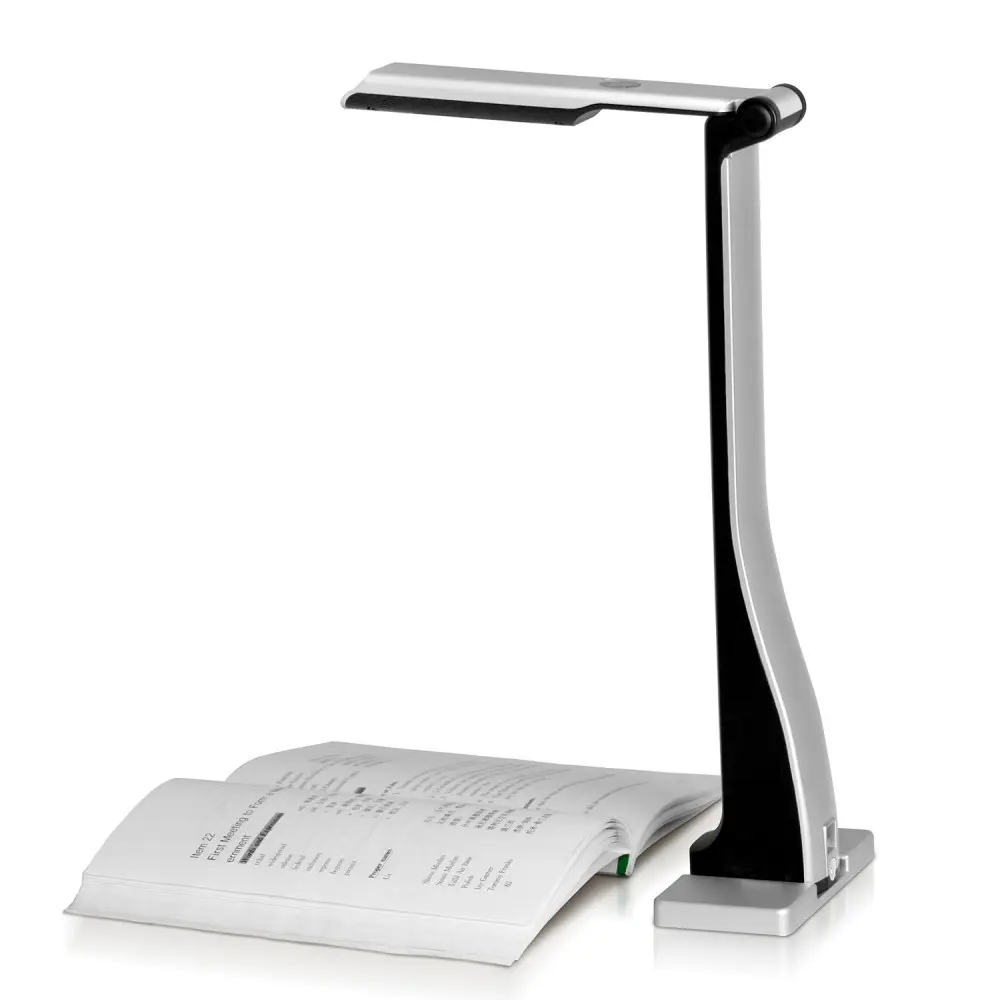
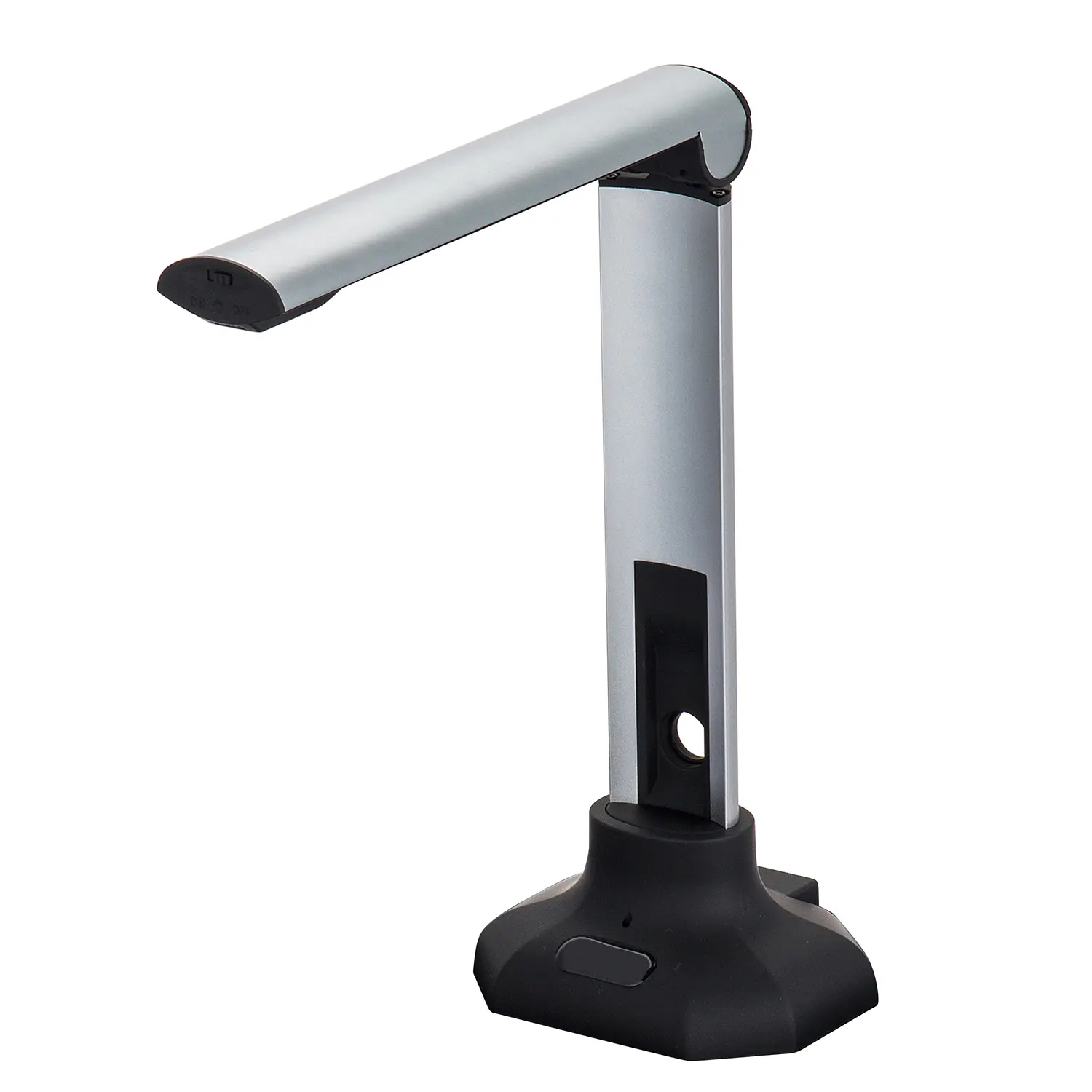
Portable Document Camera Recommendations
Classic Design, Exceptional Functionality: QPC 22 Document Camera
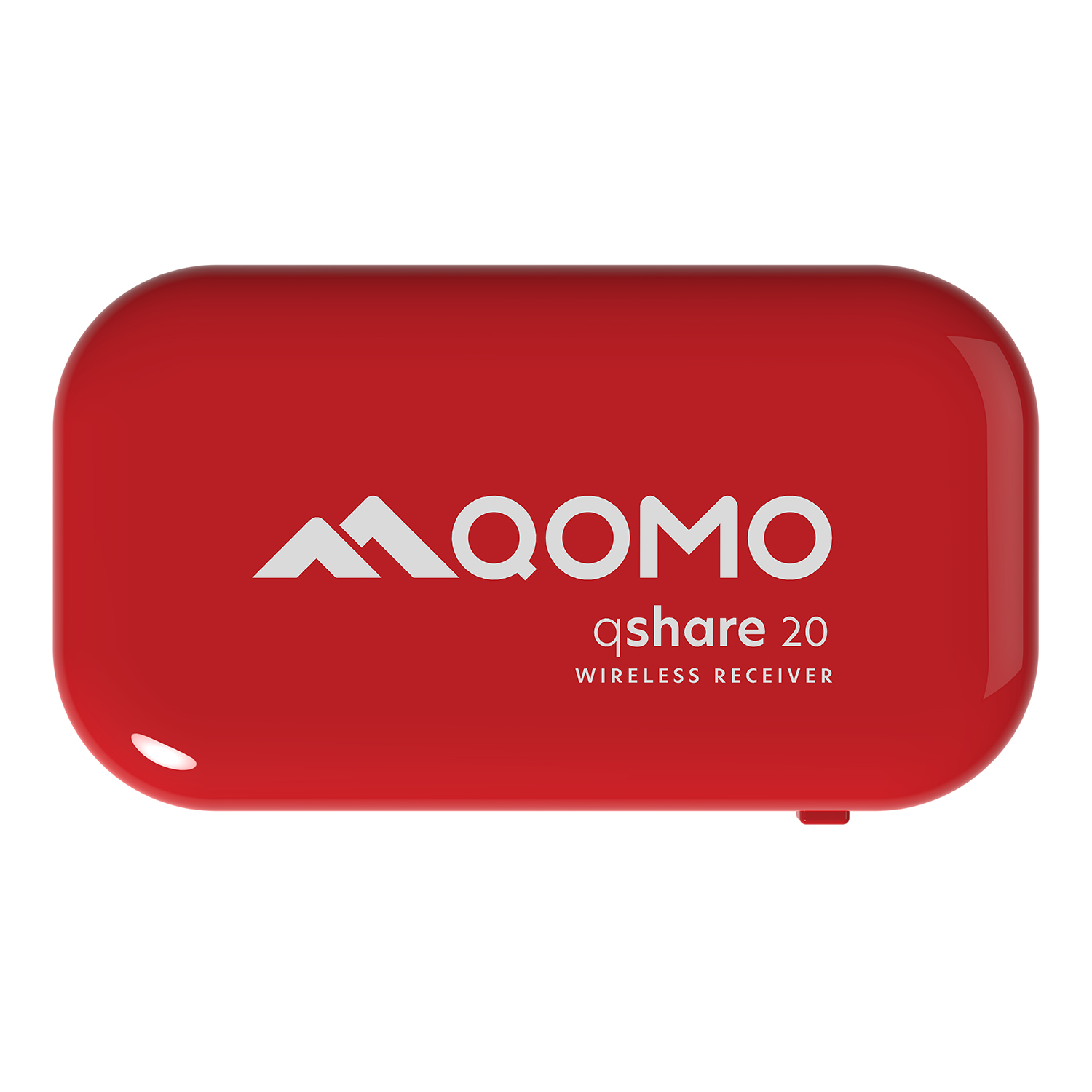
Wireless Screen Mirroring Solution for All Devices
Latest Audience Response System: QRF 999
Introducing the QPC 80H3 Gooseneck Document Camera
Creating a Smart Integrated Classroom: What Do You Need?
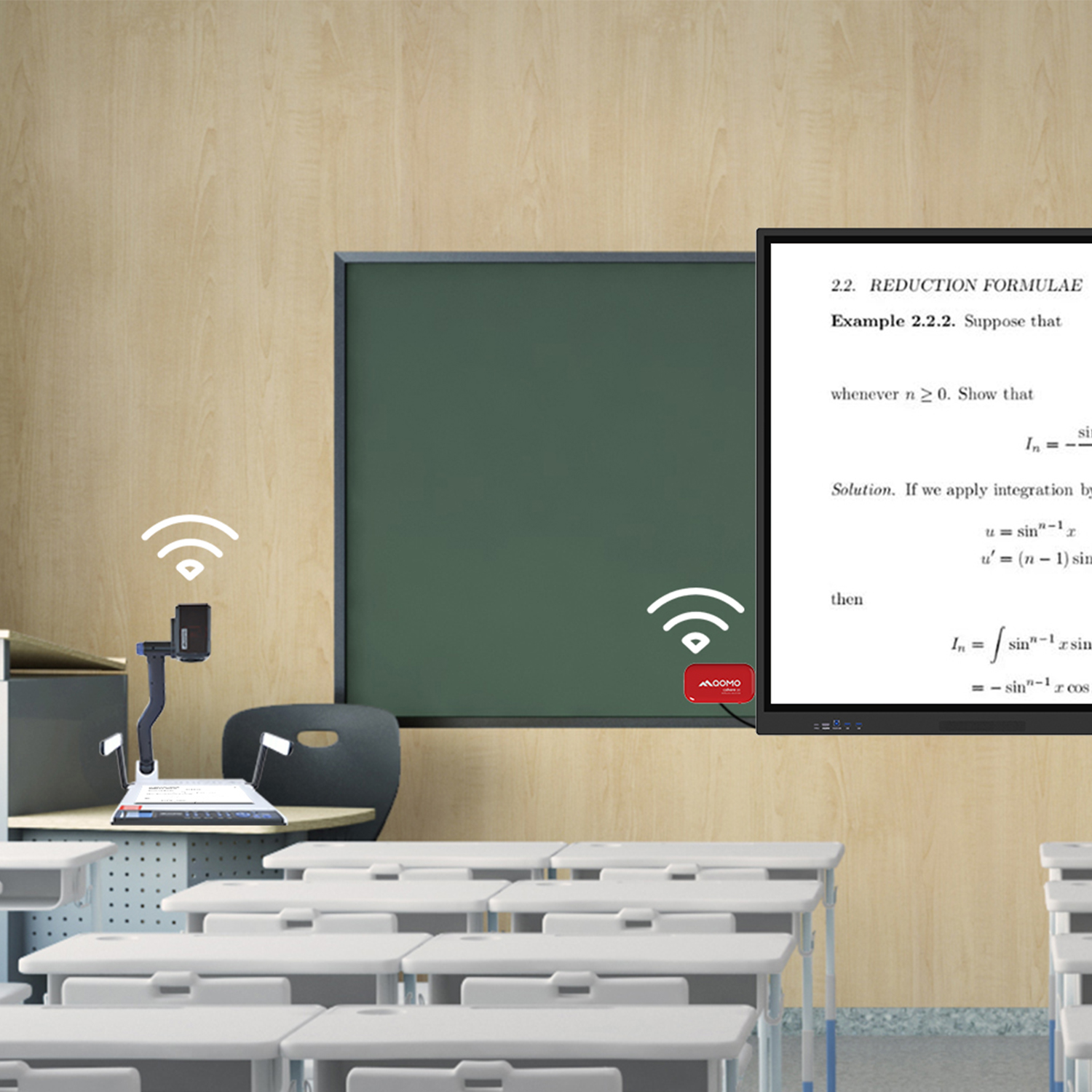
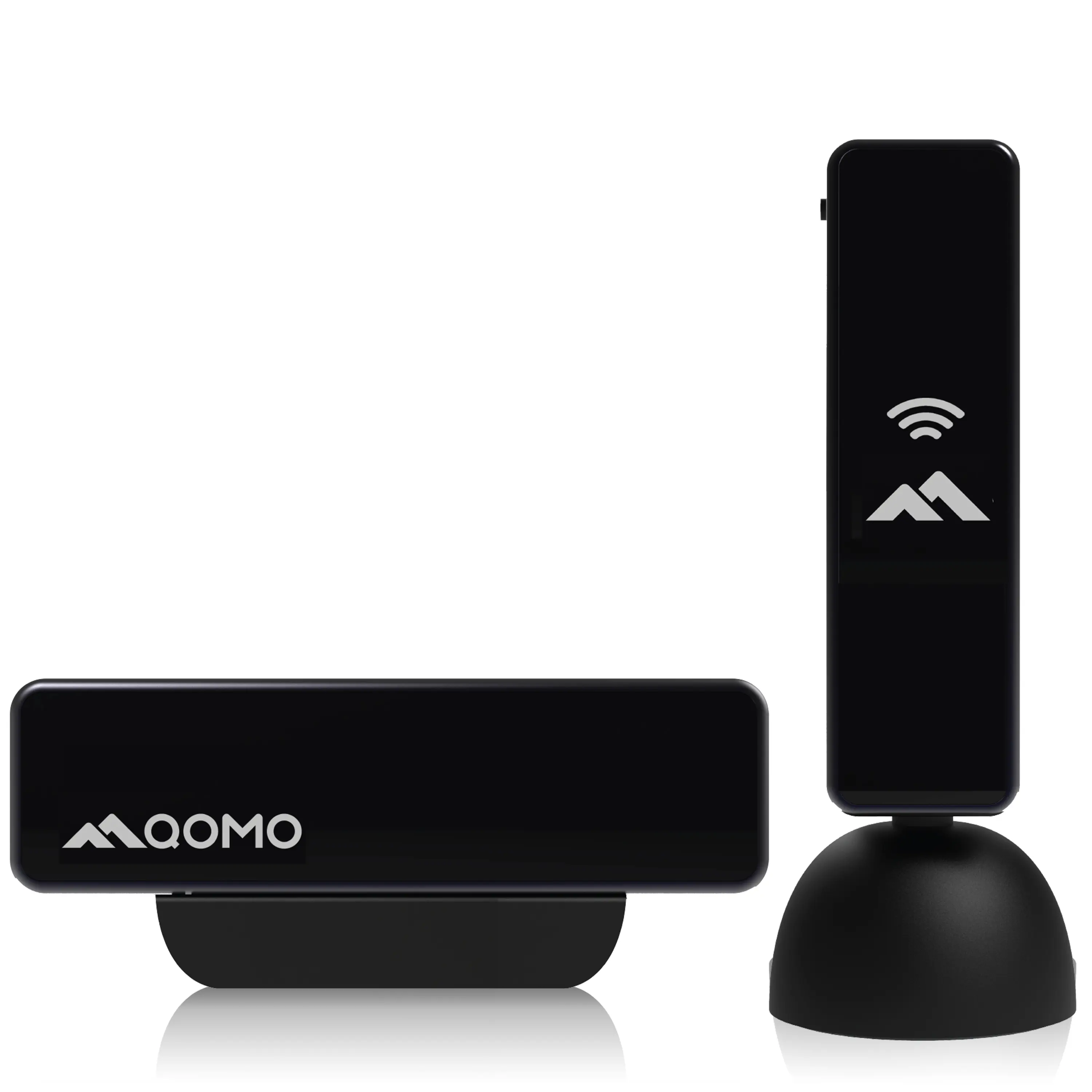
Wireless Connectivity Upgraded: WiFi-Free Wireless Document Receiver
Flow!Works Pro: Interactive Whiteboard Software for Engaging Classrooms
How to Choose the Perfect Document Camera and Elevate Productivity
QWC 004 Conference Webcam: The Top Choice for Remote Education
QCamera: Dedicated Software for Document Cameras to Elevate Your Presentations
QRF999 Voice Response System: Enhancing Teacher-Student Interaction
Work From Home? Maybe You Should Try This Document Camera
The Ultimate Educational Tool: Gooseneck Document Camera
60GHz Millimeter-Wave Wireless Screen Sharing: QShare 100
What Does a Modern Conference Room Need?
QD5000 Document Camera: Unimaginable Versatility!
QWC 004: The Most Cost-Effective Webcam
QVote Interactive Classroom Response System Software
Functionality, Aesthetics, Portability! Meet the QWC 100S Document Camera!
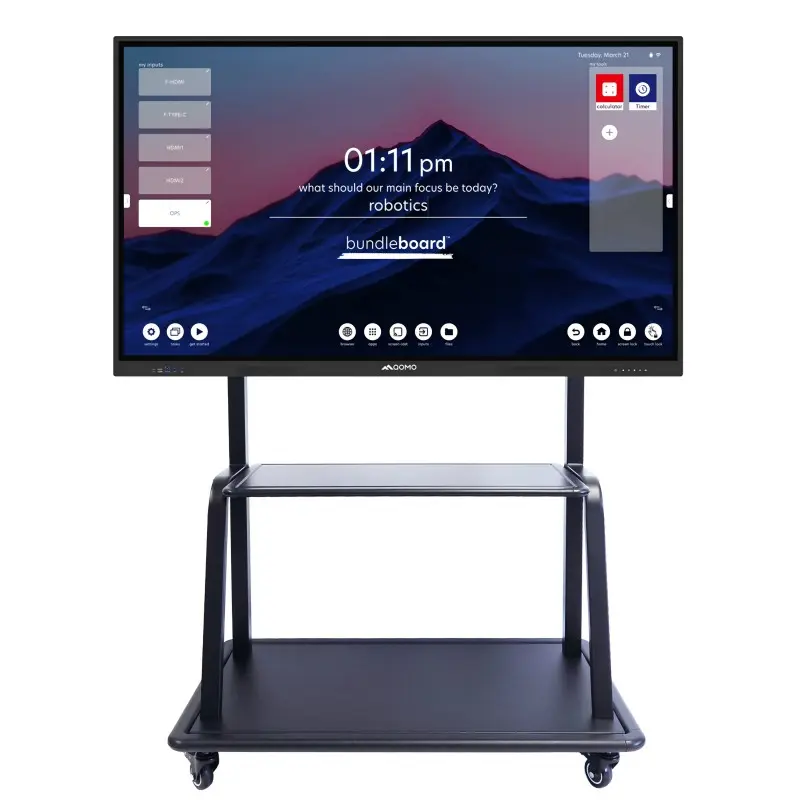
Why Choose the BundleBoard H/H2 Interactive Flat Panel?
Save Your Budget—Introducing the All-New QPC 70 Document Camera!
QIT 600F3: Revolutionize Your Presentations
QCamera: Professional Document Camera Software
QPC 5: The Ultimate 4K Portable Document Camera
Elevate Your Meetings in Seconds: QWC 006 Webcam
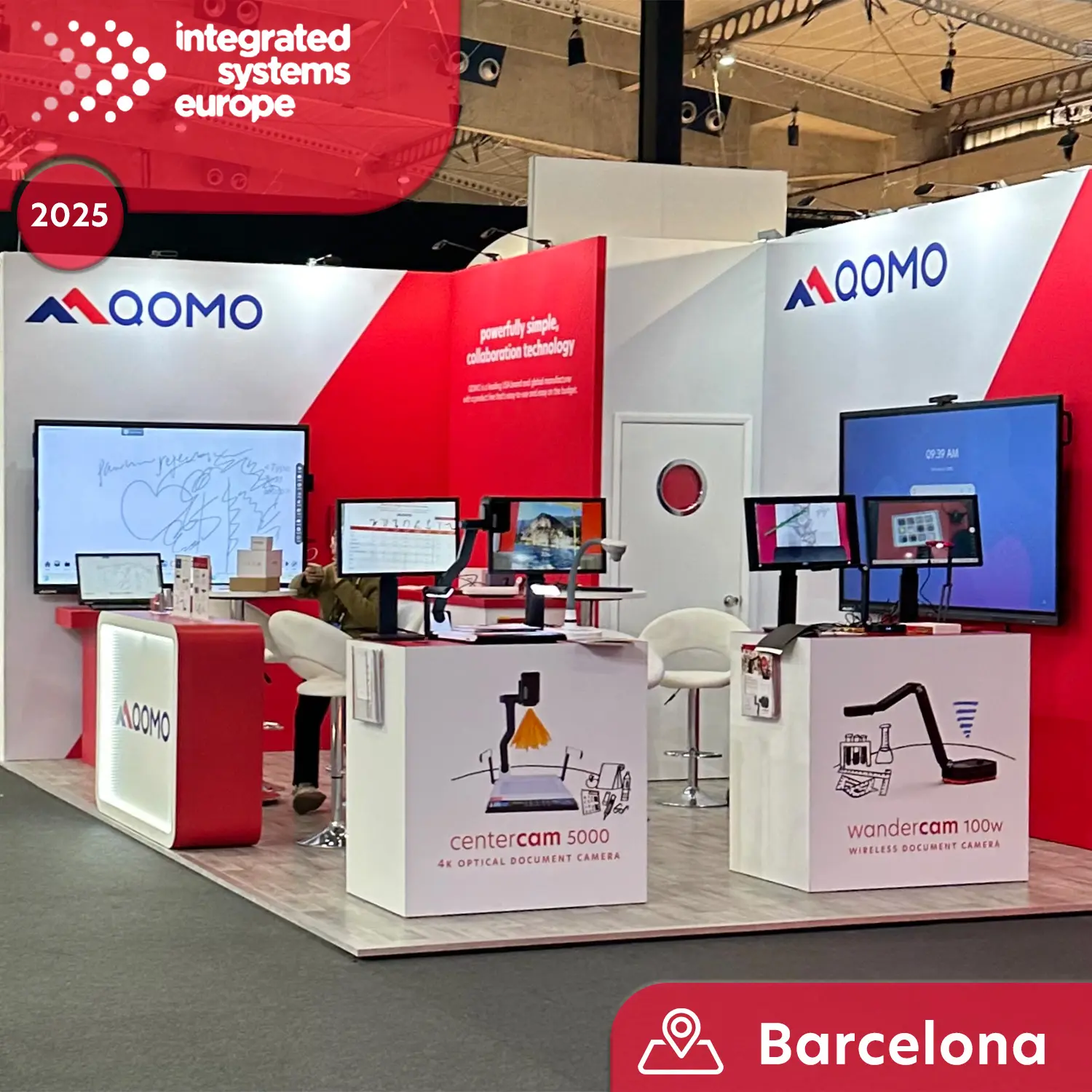
Meet QOMO at ISE 2025
Wireless Document Camera Solution, Revolutionizing Wireless Technology
QRF Series, Transform Your Classroom!
QOMO, Building Intelligent Classrooms
QOMO QShare100 New Release
Outstanding Office Equipment Recommendations
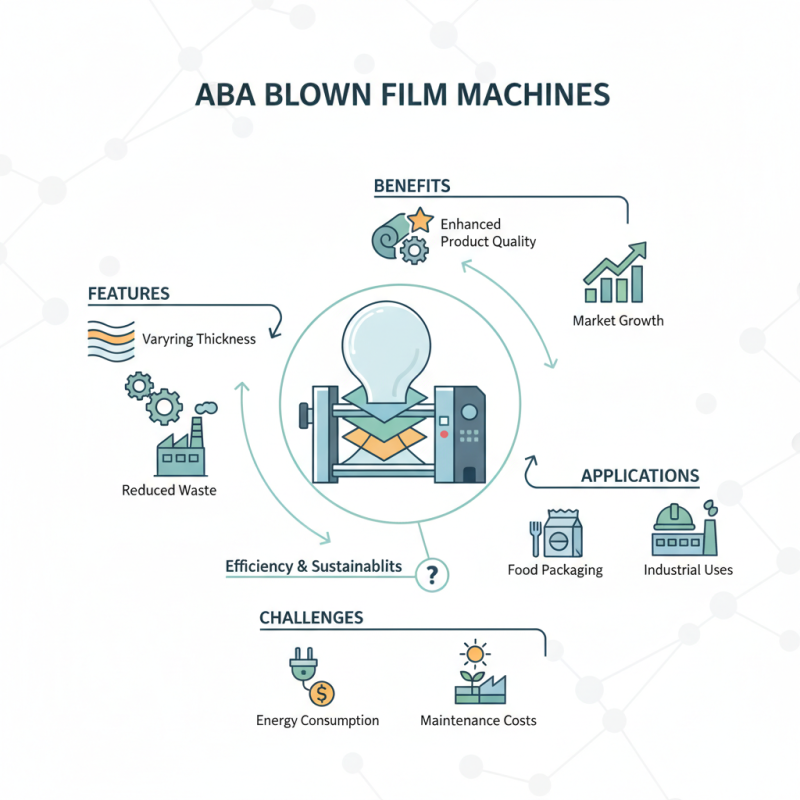
The aba blown film machine has revolutionized the plastic film industry, offering significant features and benefits. According to a report by MarketsandMarkets, the blown film extrusion market is expected to reach $24 billion by 2025. This growth is attributed to the increasing demand for flexible packaging solutions across various sectors.
Industry expert John Smith emphasizes the importance of innovation in this field. He states, "The advancement of aba blown film machines enables manufacturers to enhance product quality while reducing waste." These machines offer versatility in producing films of varying thickness and properties, making them ideal for food packaging, agricultural films, and industrial applications.
Despite the remarkable capabilities of aba blown film machines, challenges remain. Many manufacturers still face issues related to energy consumption and maintenance costs. Reflecting on these aspects is crucial for further development. Understanding the balance between efficiency and sustainability is essential for driving the industry forward.
ABA blown film machines are essential in many industries, providing efficient and flexible solutions for film production. These machines utilize a unique three-layer system, enhancing the overall film quality. Reports show that the global demand for blown film technology is projected to grow by 4.6% annually through 2026. This growth indicates a strong need for machines that can produce high-quality films cost-effectively.
The versatility of ABA blown film machines is remarkable. They can produce films used in packaging, agriculture, and construction. Their three-layer structure allows for layering different polymers, improving film strength and barrier properties. This feature is crucial for applications requiring durability, such as food packaging, where shelf life is essential.
However, the complexity of these machines can be challenging. Operators need extensive training to maintain optimal performance. Efficiency losses may occur if the machine settings are incorrect. Continuous monitoring is needed to prevent waste and downtime. Despite these challenges, the benefits of ABA blown film technology clearly outweigh the drawbacks, providing significant value to manufacturers and end-users.
ABA blown film machines are essential in the packaging industry. They provide unique benefits for manufacturers. The production of high-quality films is one of their standout features. This type of machine creates films with multiple layers, enhancing durability and flexibility.
Key features include efficient material usage. The design allows for a lower overall thickness, which can save materials. This can lead to cost savings over time. Additionally, these machines offer precise control over film thickness. This precision can be vital for businesses that require specific specifications.
Applications of ABA blown film are numerous. They are widely used in food packaging, agricultural films, and industrial applications. However, operators need to be aware of the learning curve. Improper handling can lead to inconsistent film quality. Continuous monitoring is essential for optimal performance. Embracing the technology can yield impressive results, but it requires ongoing effort and practice.
ABA blown film technology has become a significant player in the packaging industry. This technology offers advantages that appeal to manufacturers. One of the most noteworthy benefits is the material efficiency it provides. According to industry reports, ABA technology can reduce material usage by up to 20% compared to traditional methods. This reduction not only lowers production costs but also minimizes waste.
Additionally, ABA blown films exhibit enhanced mechanical properties. They improve strength and barrier characteristics. Reports indicate that films produced through this technique have a higher tensile strength, which aids in durability during shipping and handling. Even with less material, the films resist punctures and tears effectively.
However, it is essential to consider potential downsides. Not all applications may benefit equally from ABA films. Some may require specialized materials that are not compatible with the ABA process. Furthermore, adapting to ABA technology can involve initial setup costs that challenge smaller companies. This requires a careful assessment of long-term benefits versus short-term investments. Balancing these factors is crucial for successful integration of ABA blown film technology.
The ABA blown film machine produces films with unique characteristics, used in a variety of applications. One significant area is packaging. Flexible packaging solutions have gained popularity, as they provide superior barrier properties. According to a report by Smithers Pira, the global flexible packaging market is expected to reach $300 billion by 2025. This indicates a strong trend towards using ABA films.
Another common application is agricultural films. These films play a pivotal role in protecting crops. They help regulate temperature and moisture, enhancing growth. However, the effectiveness of these films can sometimes be compromised by UV degradation. In some cases, users have reported unexpected issues with film thickness. This can lead to premature tearing or reduced effectiveness against pests.
In the consumer goods sector, ABA blown films are widely used. They are often found in shopping bags, liners, and wraps. These products must meet strict quality standards, yet inconsistencies may occur during production. This can be linked to varying raw material quality. Such challenges remind manufacturers of the importance of quality control in the production process.
| Feature | Benefit | Application |
|---|---|---|
| Layer Structure Control | Improves barrier properties and reduces material costs | Food Packaging |
| High Output Capacity | Increases production efficiency | Industrial Packaging |
| Energy Efficient Design | Reduces operational costs and environmental impact | Medical Supplies |
| Customizable Thickness | Allows for tailored solutions to meet specific needs | Consumer Goods |
| Advanced Control Systems | Enhances precision and consistency in production | Agricultural Films |
| Multi-layer Capabilities | Enables the production of complex film structures | Protective Packaging |
When comparing ABA blown film technology with other methods, several key features stand out. ABA technology offers a unique three-layer structure. This approach provides superior barrier properties compared to single-layer films. According to a recent report from the Plastics Industry Association, multi-layer films can enhance moisture and gas barrier performance by up to 40%. This leads to better preservation of packaged products.
In contrast, traditional blown film technologies often lack this multi-layer advantage. They may be easier to operate, but they compromise on performance. ABA machines have improved process stability. However, challenges persist. Some operators report inconsistencies in material processing. This can affect film quality and production efficiency. Additionally, the energy consumption of ABA machines is often higher than simpler models.
Despite these drawbacks, the application of ABA films continues to rise. They are widely used in food packaging and industrial applications. The demand for high-performance films in sectors like agriculture is increasing. This drives innovations in ABA technologies. As companies adapt, they must continually refine their processes to mitigate issues and enhance efficiency.
This chart compares features and benefits of ABA blown film machines against other blown film technologies. The data shows that ABA machines typically offer higher output speed and greater material flexibility, while maintaining lower energy consumption and maintenance costs.