+86 152 8002 3723
QVoteProfessional Audience Response System software offers the most convenient functions for your interactions.
QClickThe most convenient educational software for working with Microsoft PowerPoint to quickly set up various question types and generate intelligent feedback reports.
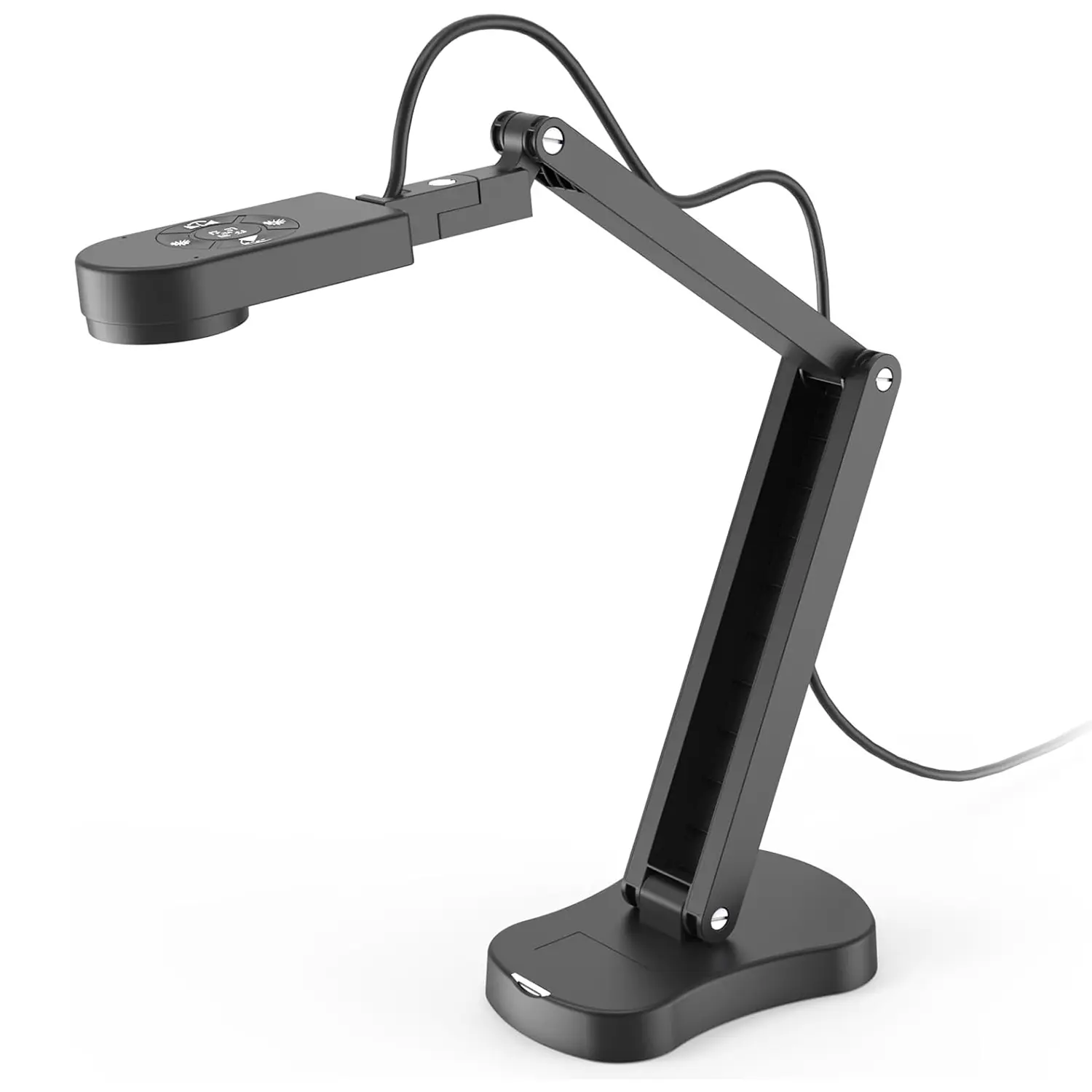
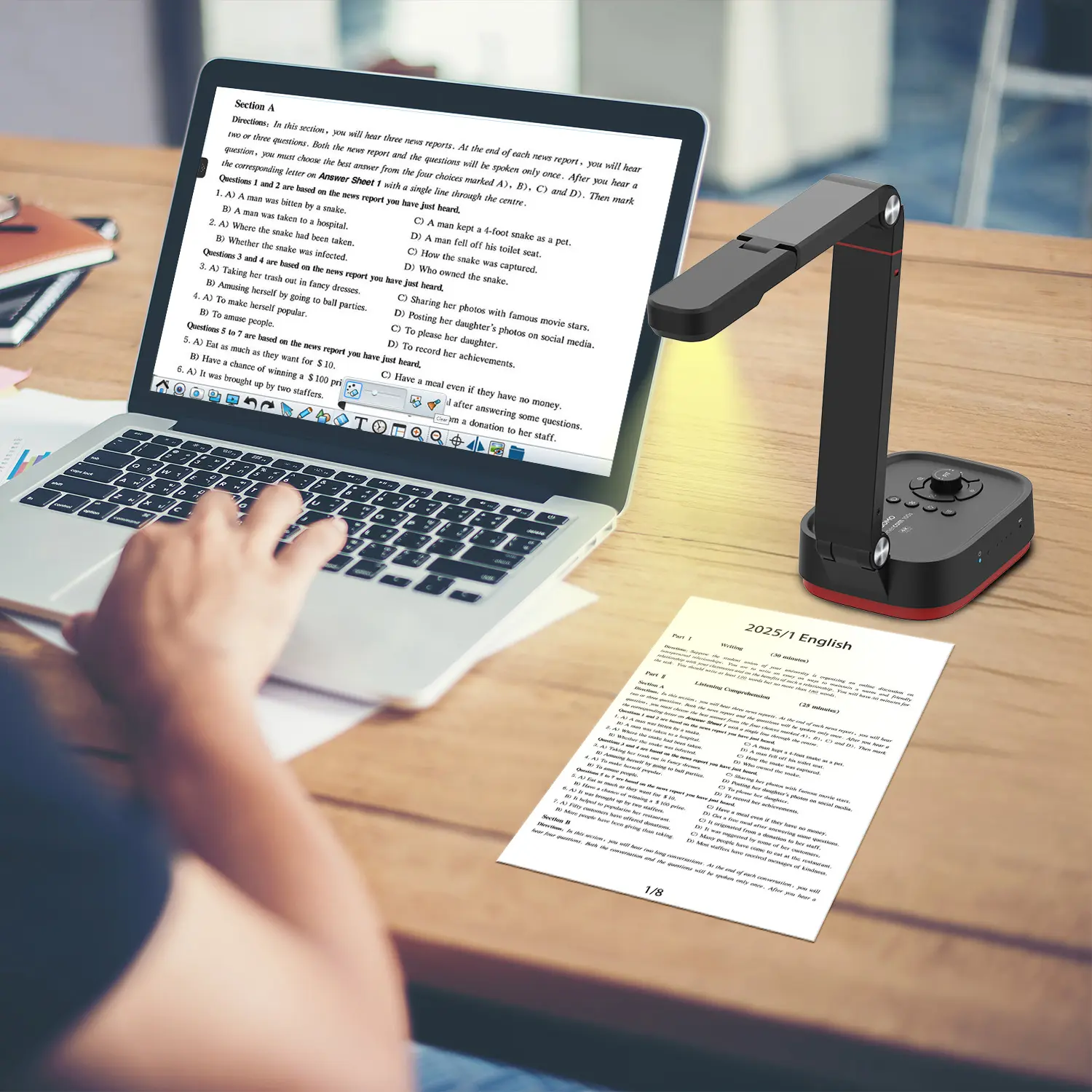
QCameraQCamera by QOMO allows for real-time streaming from cameras and document cameras. Annotate, save snapshots, record, and manipulate camera images instantly.
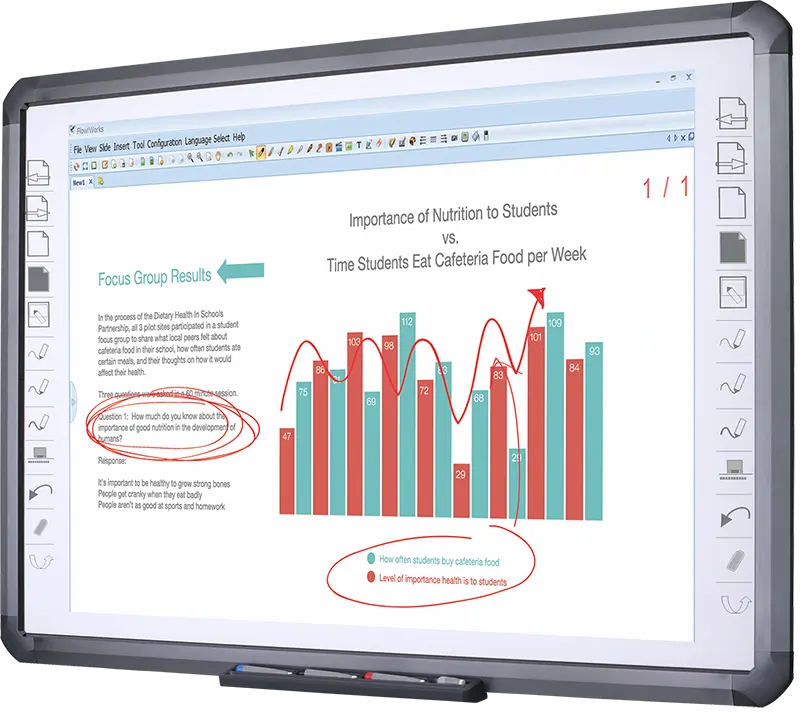
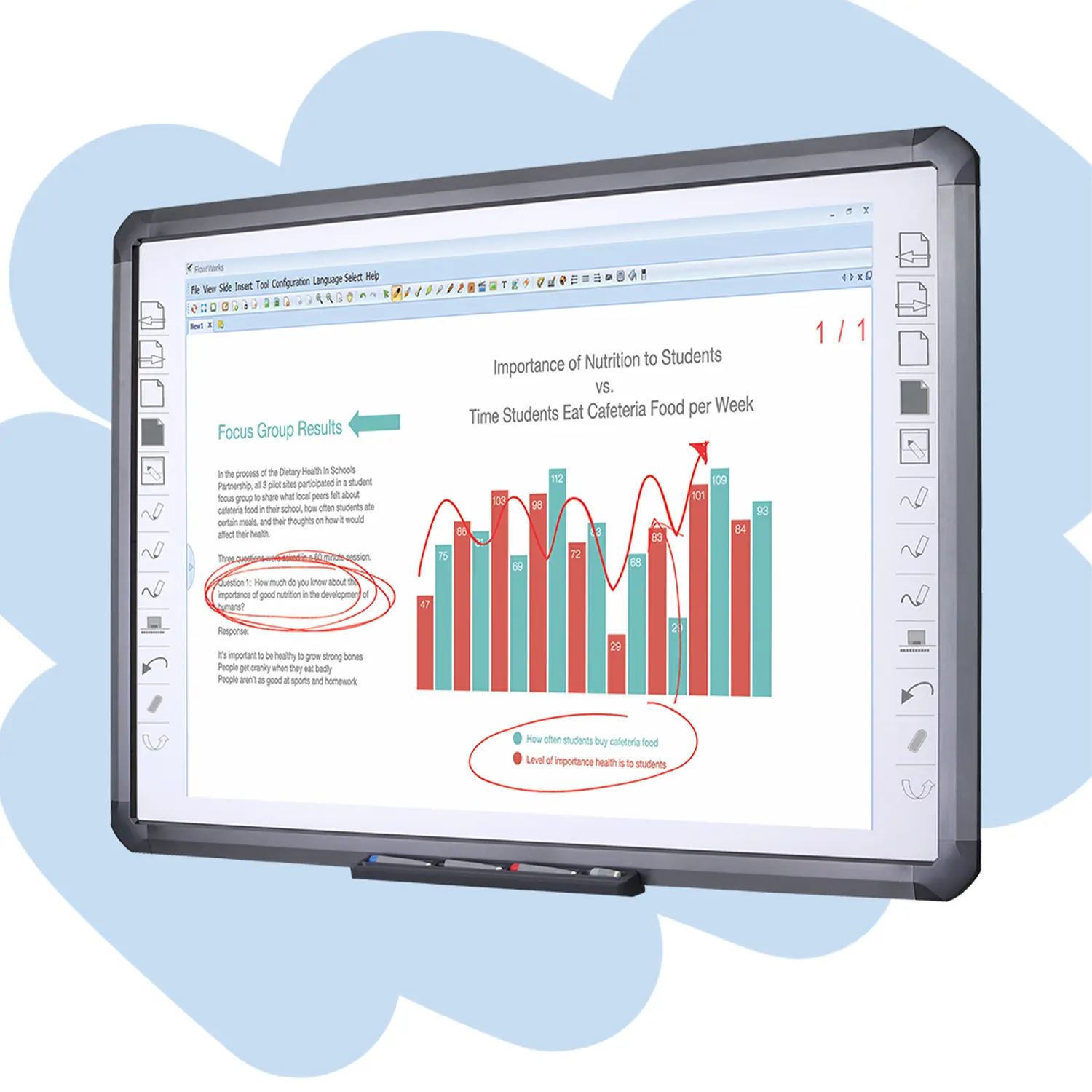
Flow!Works ProUser - friendly whiteboard software, it encompasses a wide range of presentation tools and powerful functions, delivering the most professional presentation experience to you.
Flow!WorksFlow!Works incorporates more educational tools, further enhancing the interactivity and fun - factor of your teaching.
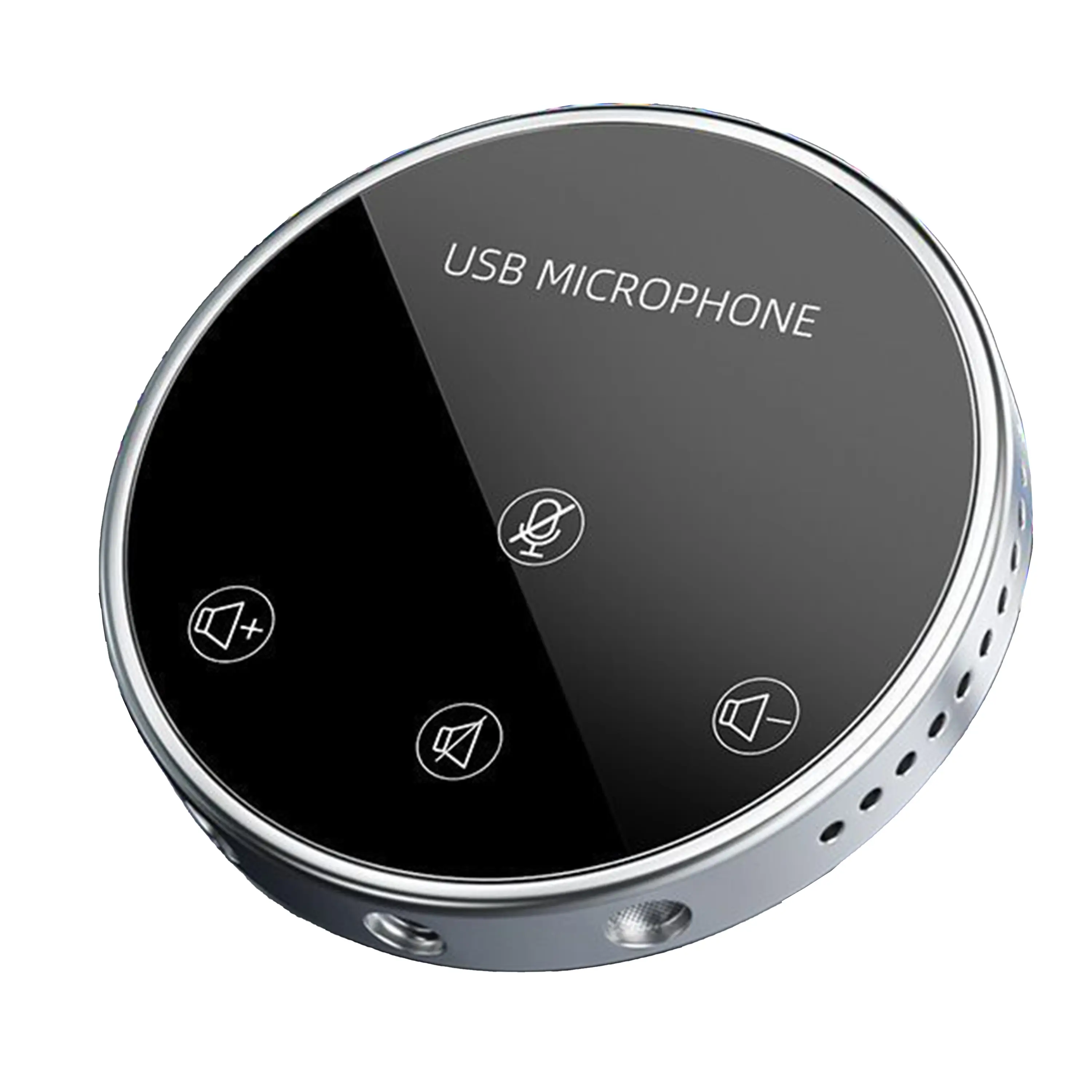
Conference Microphone● USB
● Plug and Play
● Intelligent Noise-Canceling
● 10ft/3m Extended Pickup Range
● 360° Omnidirectional Pickup
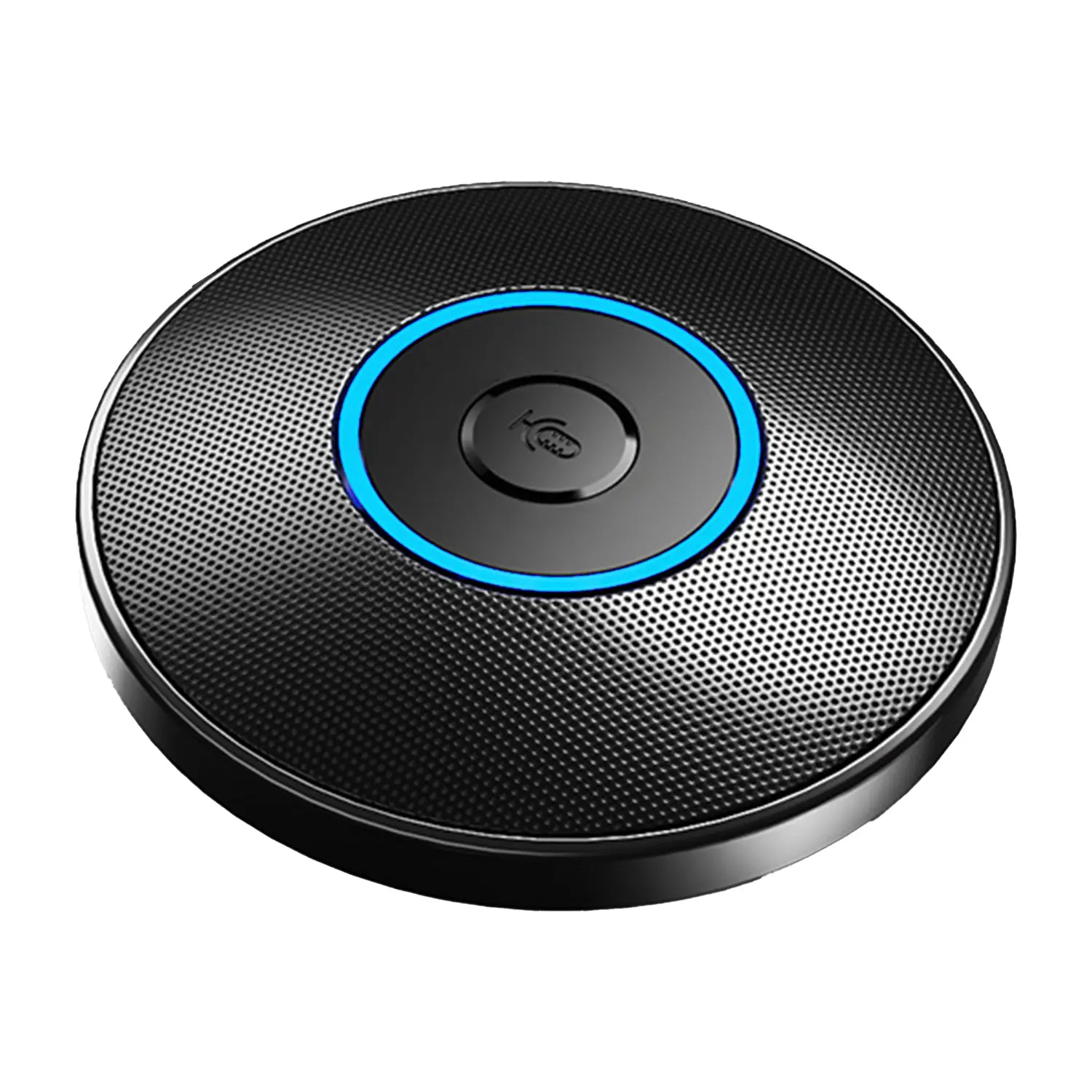
Conference Speakerphone● USB-C
● Plug and Play
● Intelligent Noise-Canceling
● 10ft/3m Extended Pickup Range
● 360° Omnidirectional Pickup
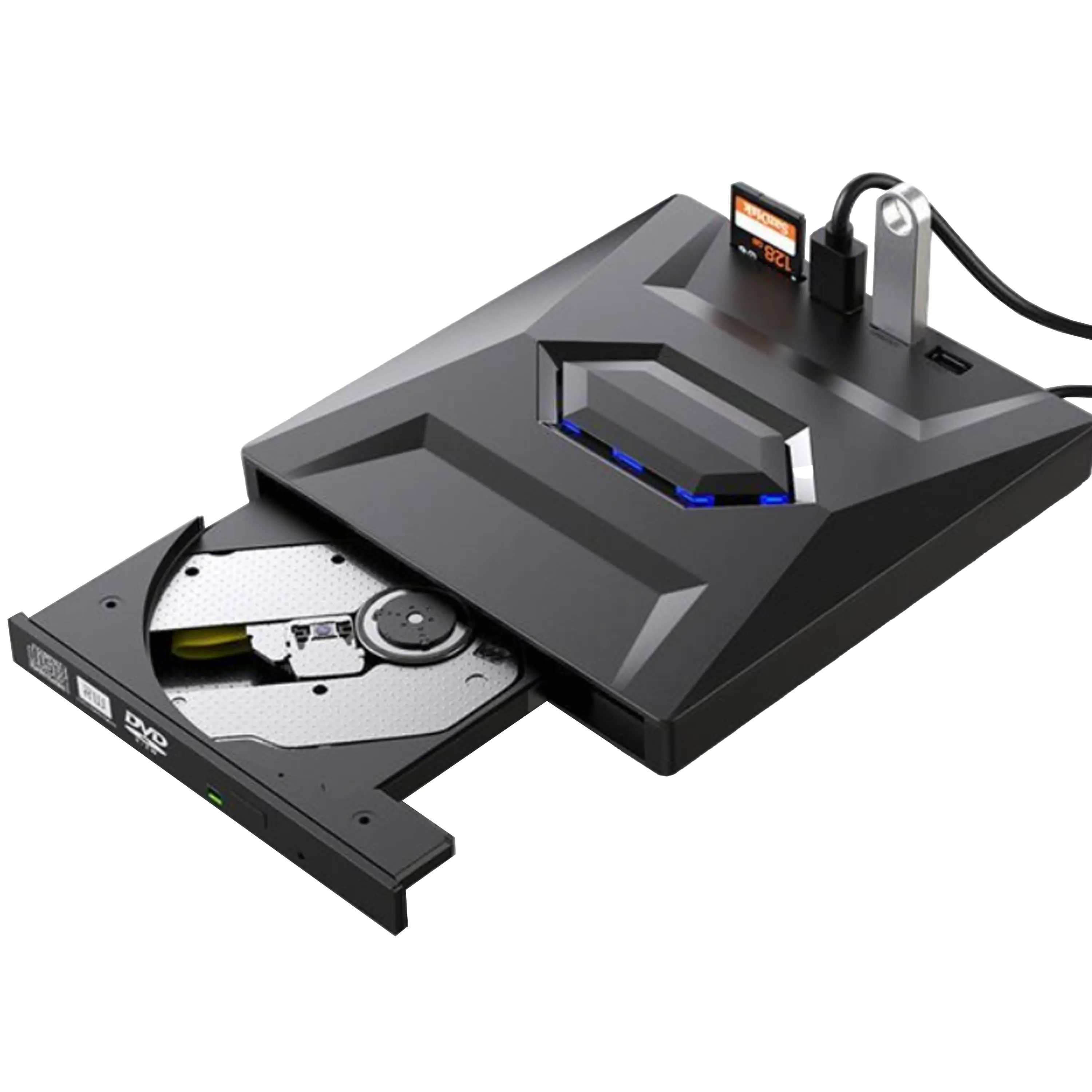
USB External CD/DVD Drive• USB and USB-C
• USB 3.0
• 8x DVD and 24x CD write/read speeds
• Portable
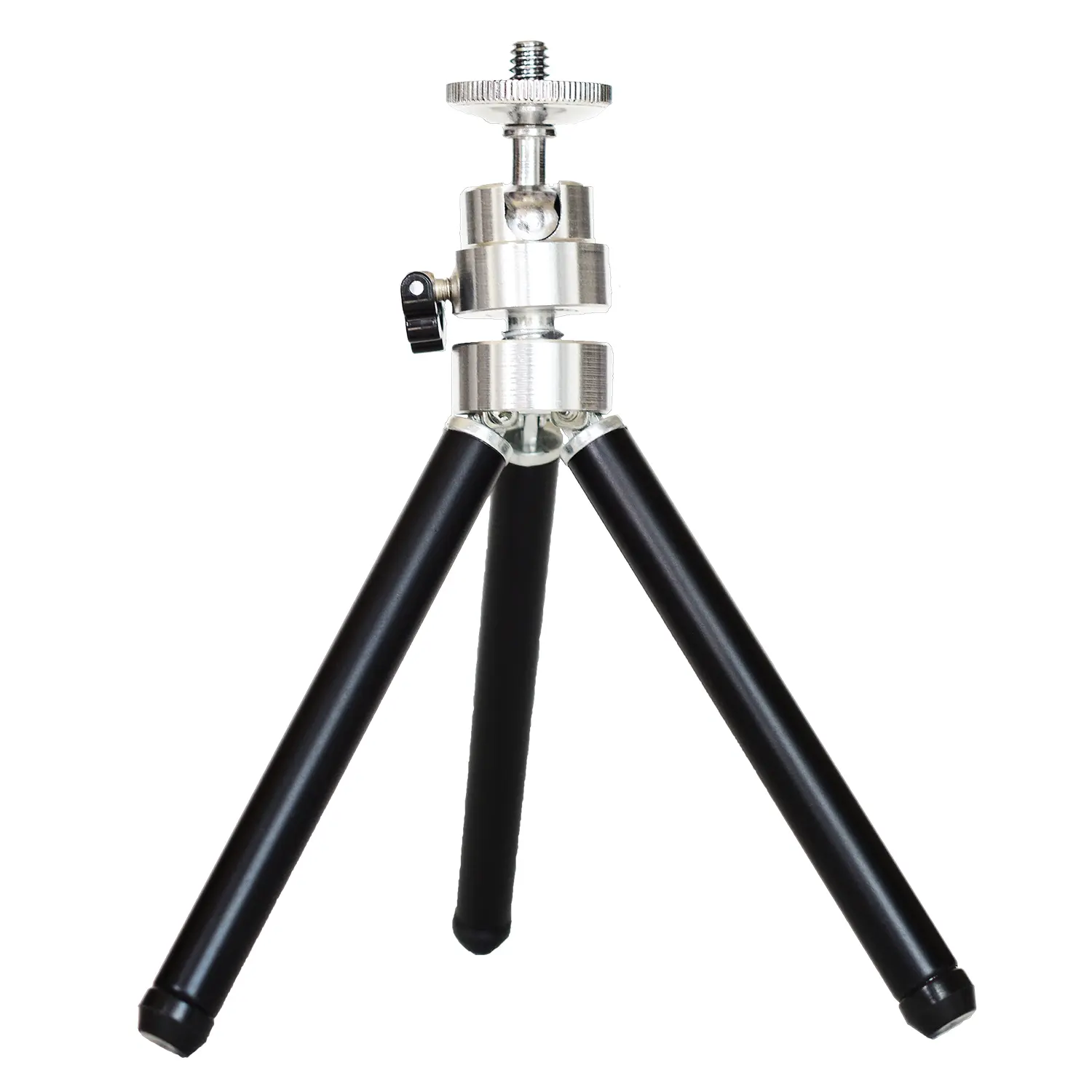
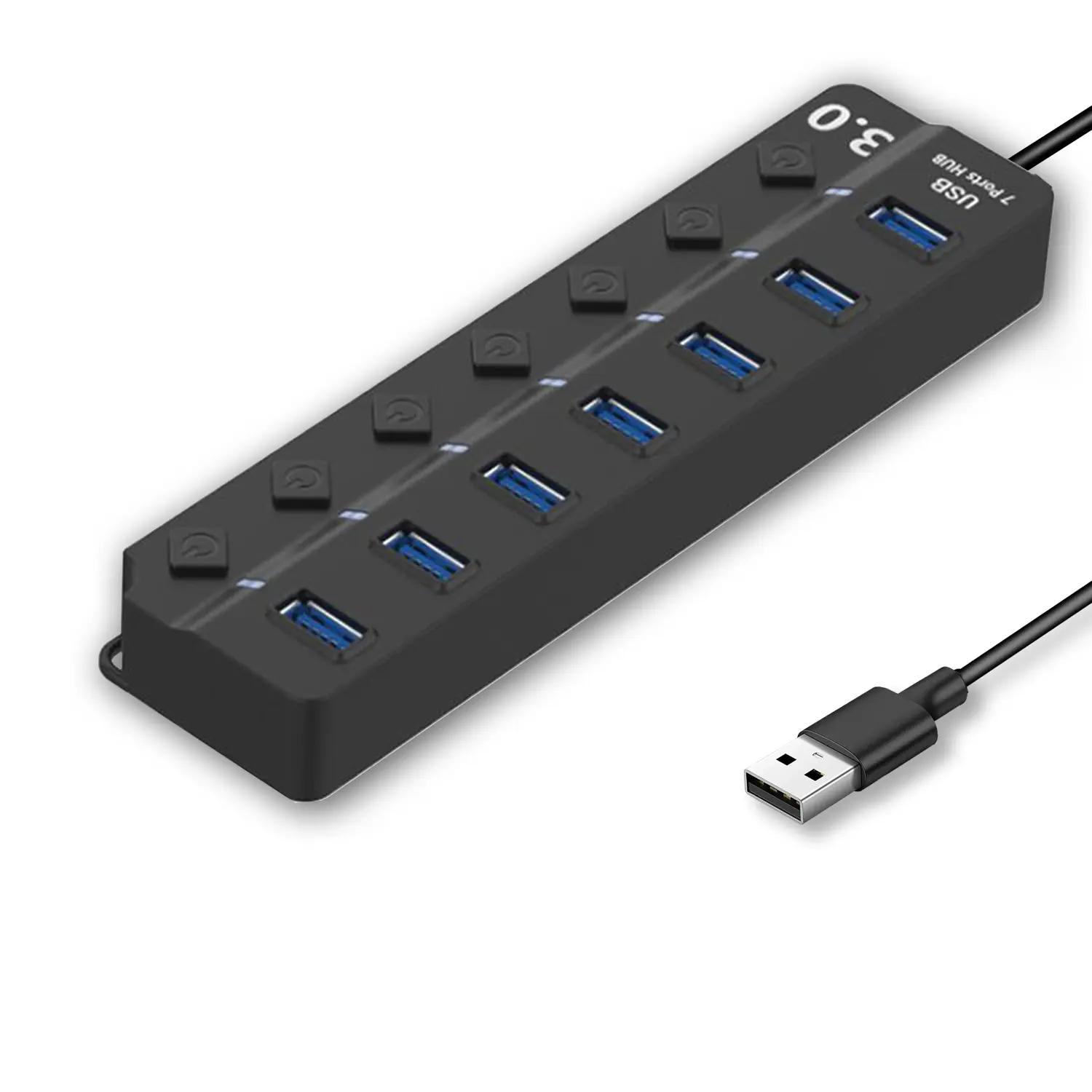
7-Port USB 3.0 Hub● USB 3.0
● Plug and Play
● 7-in-1 USB Hub
● Individual On/Off Switches
Revolutionize Your Presentations and Document Display with QWC 100S Document Camera
Enhance Call Experience: New Conference Microphone Now Available
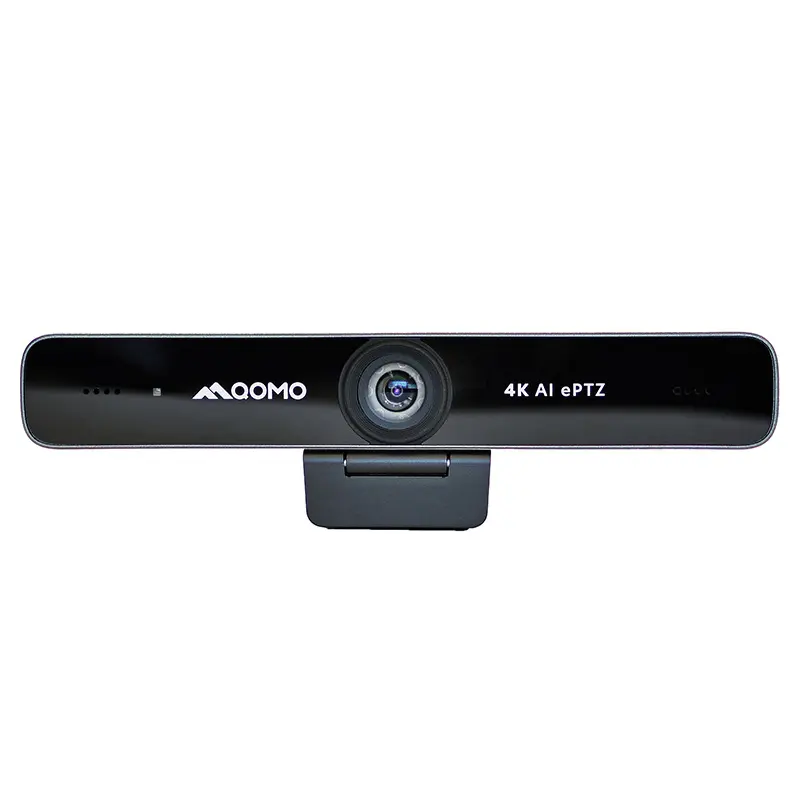
AI-Powered Face-Tracking Webcam
Portable Document Camera Recommendations
Classic Design, Exceptional Functionality: QPC 22 Document Camera
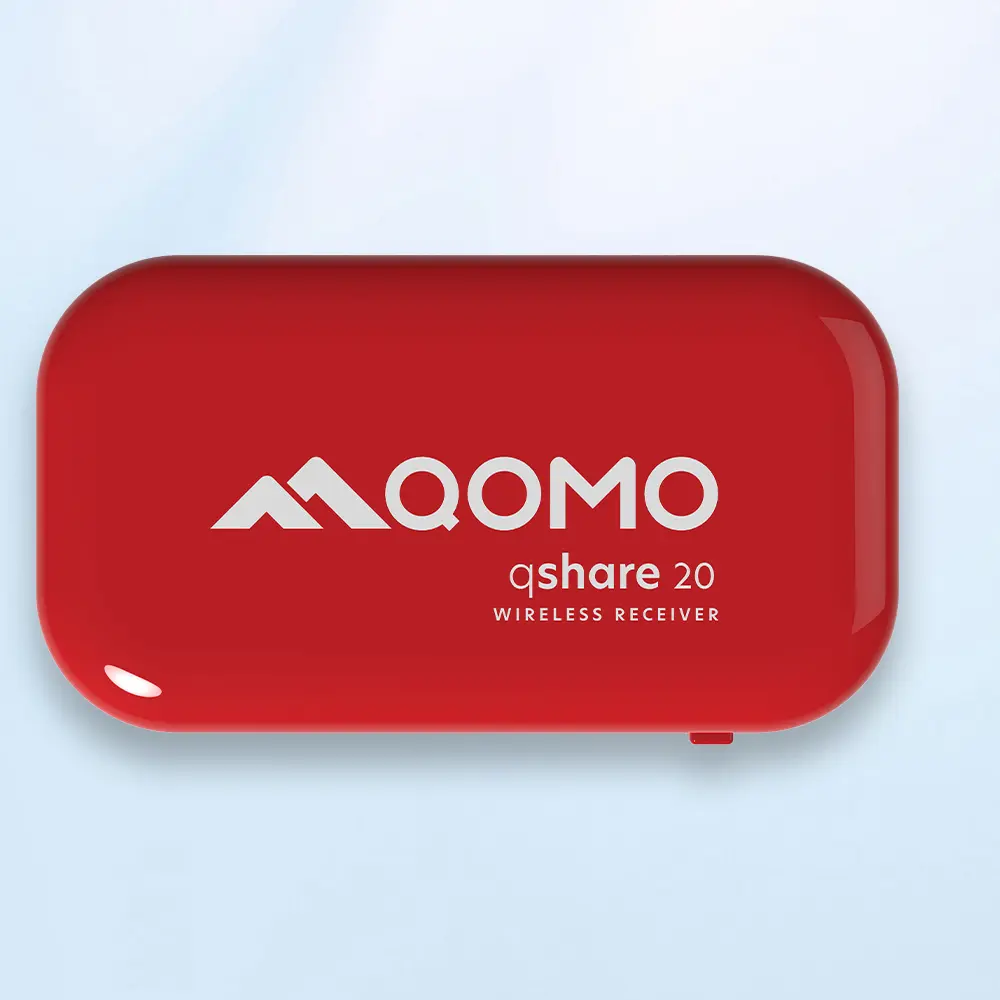
Wireless Screen Mirroring Solution for All Devices
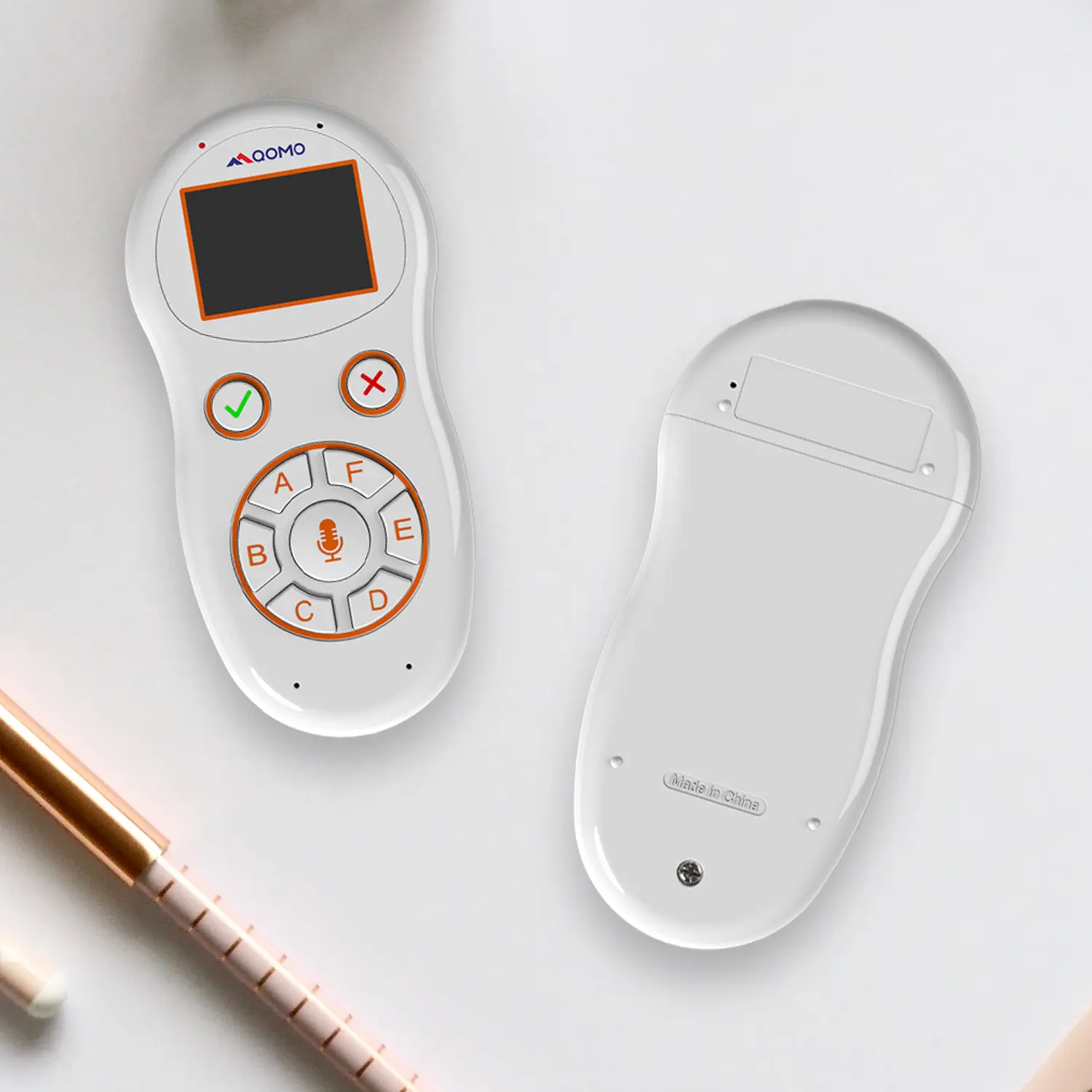
Latest Audience Response System: QRF 999
Introducing the QPC 80H3 Gooseneck Document Camera
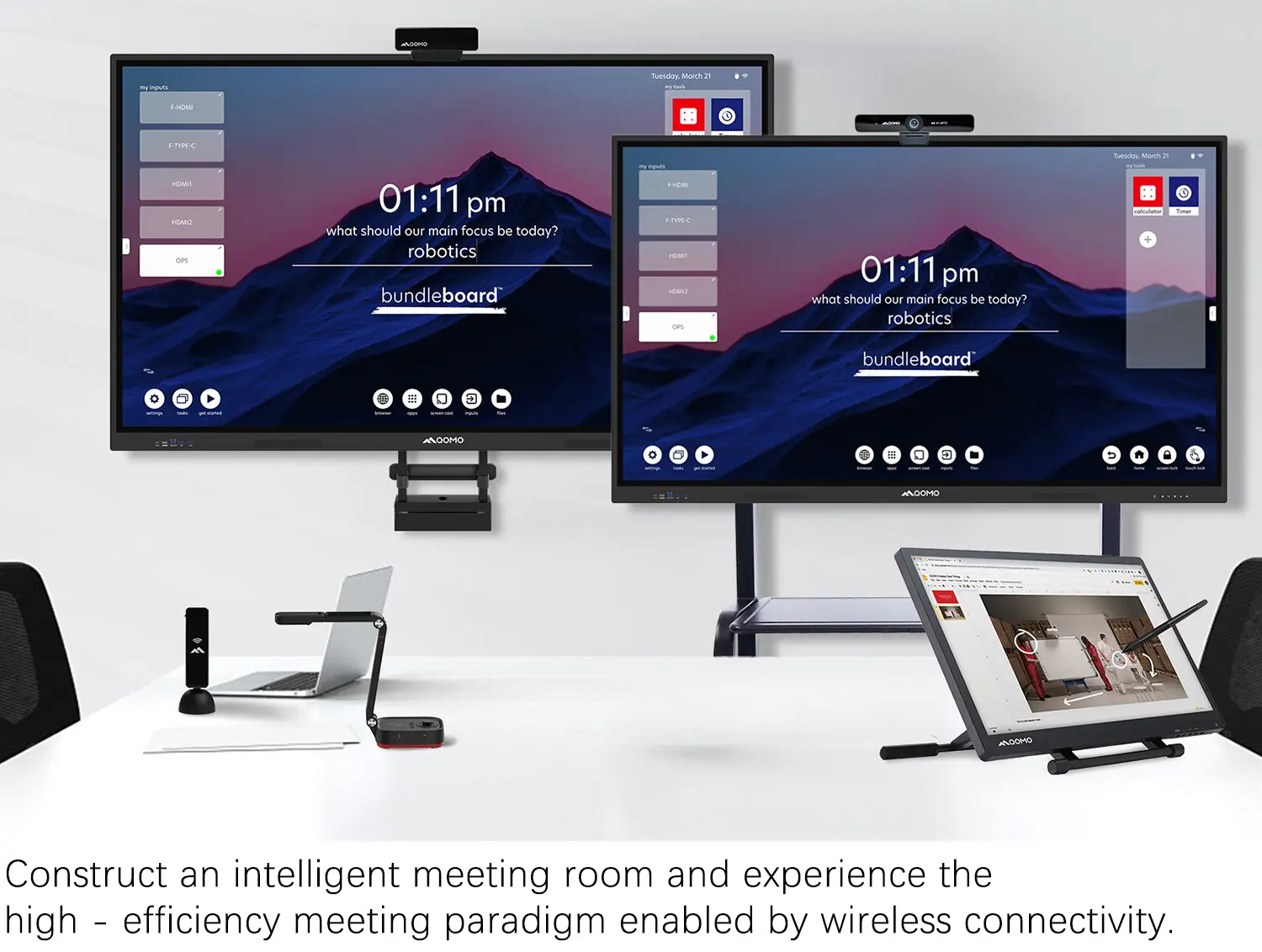
Creating a Smart Integrated Classroom: What Do You Need?
Wireless Connectivity Upgraded: WiFi-Free Wireless Document Receiver
Flow!Works Pro: Interactive Whiteboard Software for Engaging Classrooms
How to Choose the Perfect Document Camera and Elevate Productivity
QWC 004 Conference Webcam: The Top Choice for Remote Education
QCamera: Dedicated Software for Document Cameras to Elevate Your Presentations
QRF999 Voice Response System: Enhancing Teacher-Student Interaction
Work From Home? Maybe You Should Try This Document Camera
The Ultimate Educational Tool: Gooseneck Document Camera
60GHz Millimeter-Wave Wireless Screen Sharing: QShare 100
What Does a Modern Conference Room Need?
QD5000 Document Camera: Unimaginable Versatility!
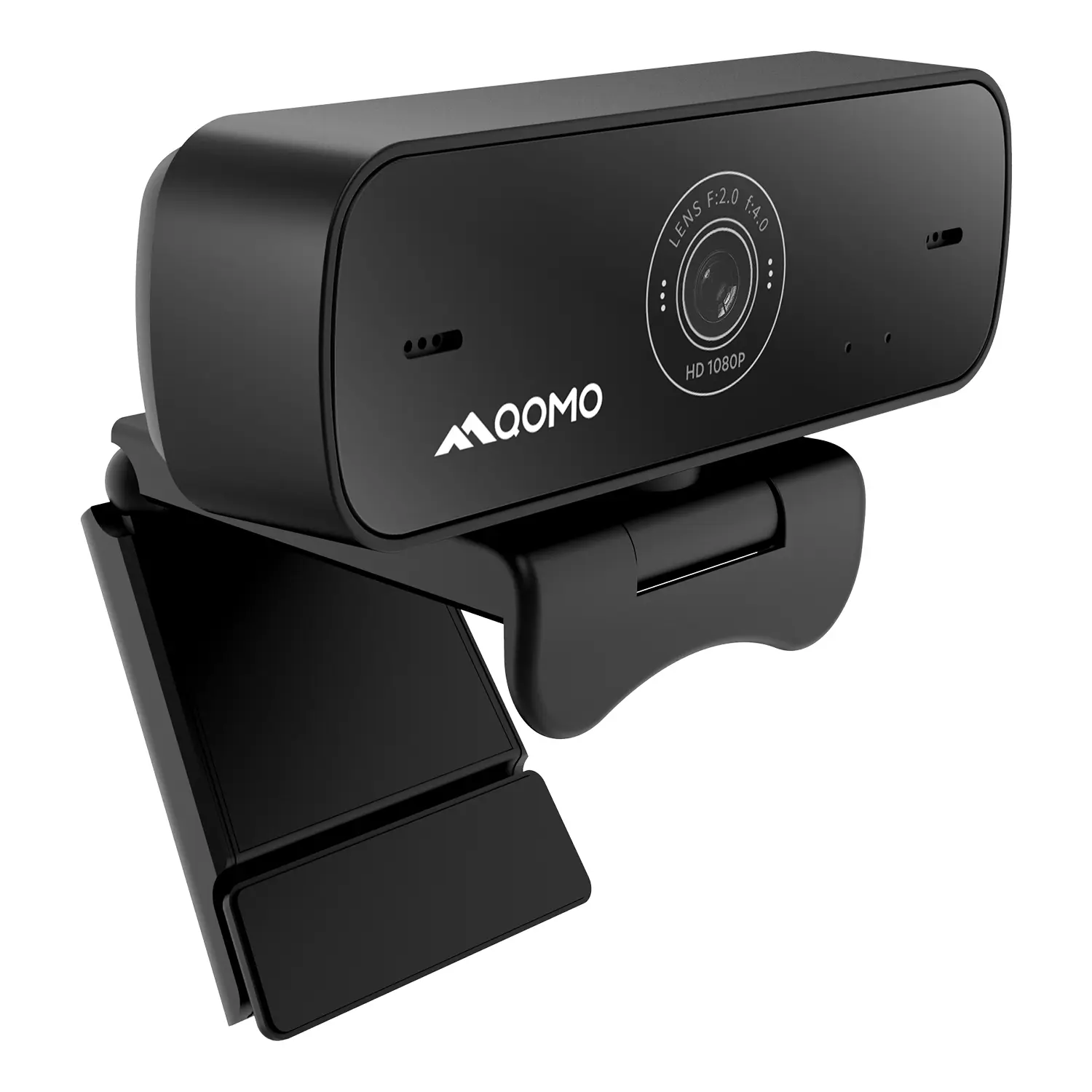
QWC 004: The Most Cost-Effective Webcam
QVote Interactive Classroom Response System Software
Functionality, Aesthetics, Portability! Meet the QWC 100S Document Camera!
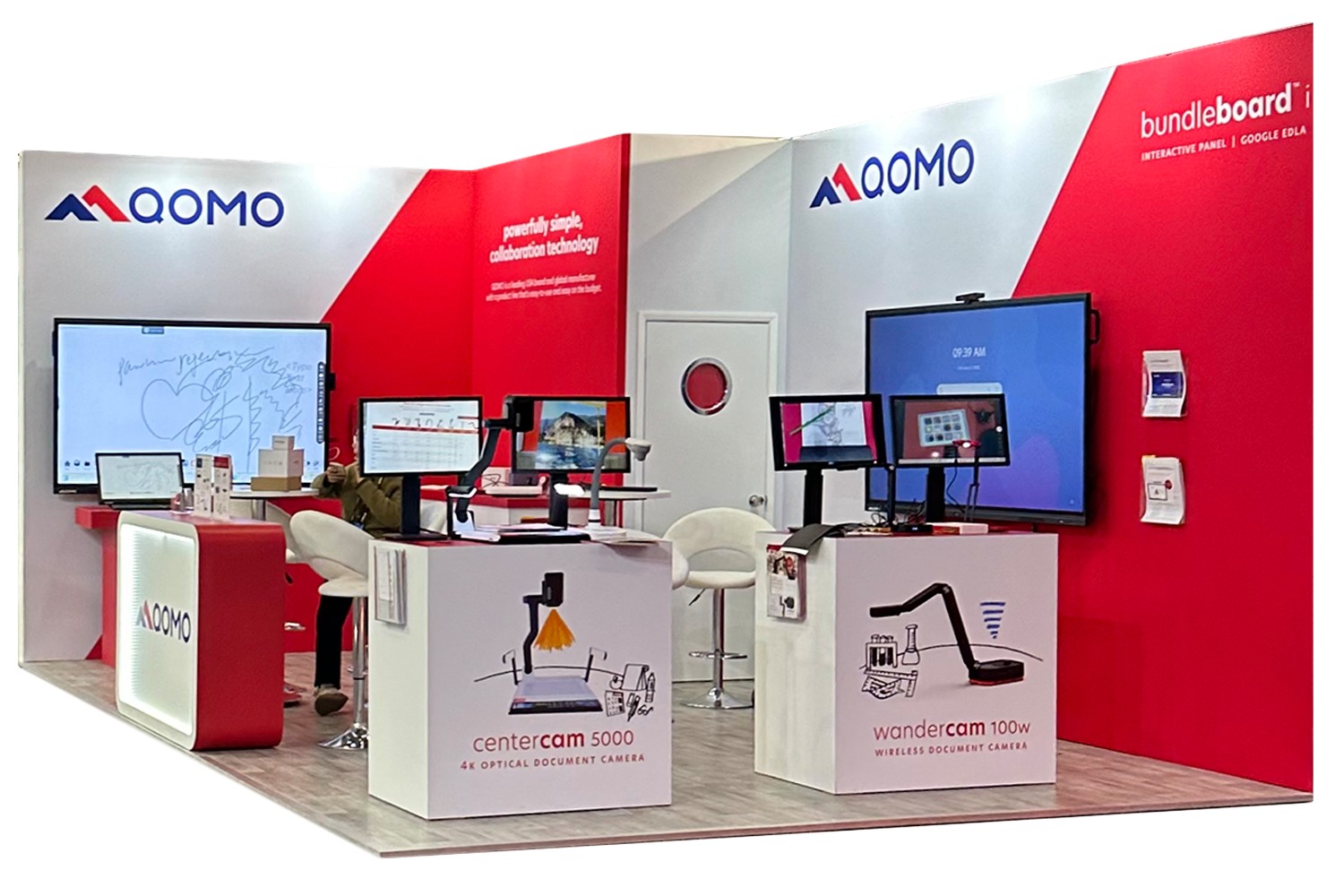
Why Choose the BundleBoard H/H2 Interactive Flat Panel?
Save Your Budget—Introducing the All-New QPC 70 Document Camera!
QIT 600F3: Revolutionize Your Presentations
QCamera: Professional Document Camera Software
QPC 5: The Ultimate 4K Portable Document Camera
Elevate Your Meetings in Seconds: QWC 006 Webcam
Meet QOMO at ISE 2025
Wireless Document Camera Solution, Revolutionizing Wireless Technology
QRF Series, Transform Your Classroom!
QOMO, Building Intelligent Classrooms
QOMO QShare100 New Release
Outstanding Office Equipment Recommendations
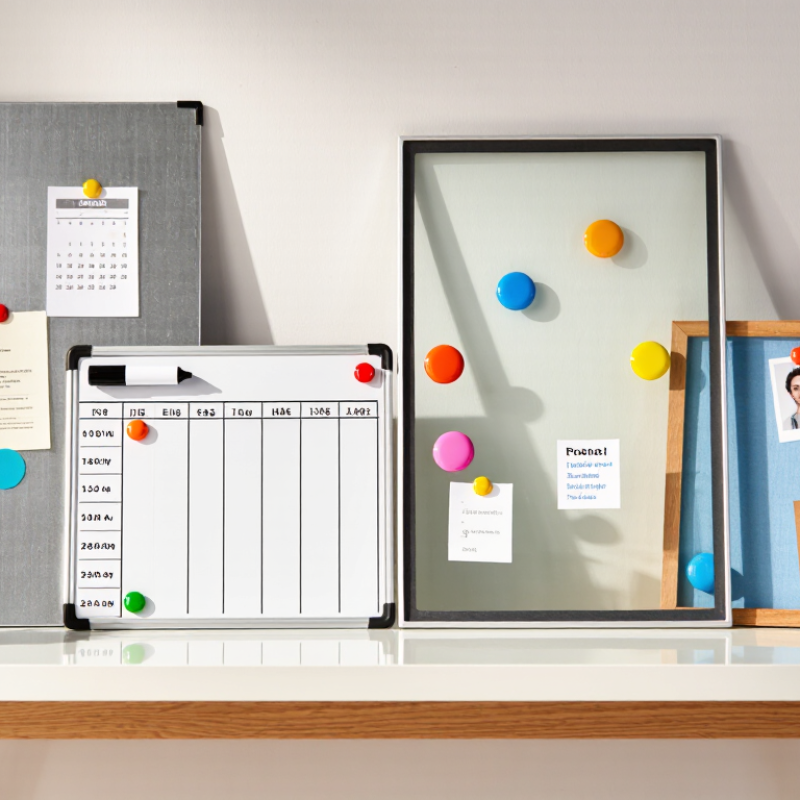
What makes a Magnetic Bulletin Board the right choice? It depends on what you need to display, where it will hang, and how often the layout changes. A steel board offers dependable magnetic holding and suits notices, calendars, and lightweight documents. A magnetic dry-erase board adds a writing surface for weekly plans or quick reminders. Glass versions bring a clean, modern look, though they may require stronger magnets and cost more. Small detail, big difference.
There is no single best type for every room. In a busy office, a large steel surface can keep schedules visible and easy to update. At home, a framed board may fit an entryway while holding shopping lists and school notes. For a softer, pin-friendly appearance, check whether a fabric board has a steel backing; many fabric boards do not attract magnets on their own. That distinction is easy to miss.
Choosing well means checking the board’s material, mounting method, size, and stated magnet compatibility. Consider the weight of the items you plan to display, not just how attractive the board looks online. Strong magnets can still slide on some surfaces, and glass boards may show fingerprints. The sections ahead compare common styles, explain their practical strengths, and note where each can disappoint. A little skepticism helps. This guide focuses on everyday use, not showroom claims, so you can match a board to real routines and available wall space. That’s the useful test.
A high-quality magnetic bulletin board starts with a steel surface that holds ordinary magnets securely. Test it with a small calendar sheet and a lightweight magnet. If the paper slides when a door closes, the holding strength may be too weak for daily use. Stronger magnets can help, but users should not need special ones for basic notes.
The surface coating matters, too. A smooth, even finish resists scratches and wipes clean without leaving cloudy streaks. Look closely at corners and edges, where peeling may begin after repeated use. A sturdy frame should feel firm, not sharp or loose. Mounting hardware needs to suit the wall; a board that shifts under a few pinned notices becomes frustrating quickly. Small detail, big difference.
Size depends on what the board must hold. A narrow board may suit reminders, while schedules and worksheets need more room. Check whether magnets still grip through several sheets of paper. They often do not. That is an easy detail to overlook. I would also leave space around the board for hands to place and remove items. Appearance can be misleading, and even a well-made board may not fit every room or routine.
| Board Type | Construction and Magnetic Function | Best For | Key Quality Factors | Practical Considerations |
|---|---|---|---|---|
| Porcelain-Enamel Steel Board | A steel core provides magnetic attraction beneath a hard, porcelain-enamel writing surface. | Busy classrooms, offices, and shared spaces where writing and frequent posting are needed. | Even, durable enamel; a flat steel backing; secure frame and mounting hardware; a smooth, easy-to-clean surface. | Usually more durable than painted steel, but can cost more and may be heavier. Check that the product is explicitly identified as magnetic. |
| Painted-Steel Whiteboard | A coated steel sheet attracts magnets and also serves as a dry-erase writing surface. | General-purpose notice areas that need both written updates and posted papers. | Uniform coating; adequate steel thickness and rigidity; resistance to staining and ghosting; sturdy edge protection. | Surface performance varies by coating and construction. Use dry-erase markers intended for the surface and clean it regularly. |
| Magnetic Glass Board | Tempered glass sits in front of a ferromagnetic backing or integrated steel layer; the glass itself is not what attracts magnets. | Modern offices and presentation areas where a smooth, non-porous writing surface is preferred. | Tempered safety glass; securely supported backing; reliable mounting; suitable magnets that hold through the glass. | Standard magnets may not be strong enough because of the glass gap. Confirm magnet compatibility and follow the specified load limits. |
| Fabric-Covered Steel Board | Fabric covers a steel sheet or steel-backed panel, allowing magnets to hold through the fabric layer. | Pin-and-magnet displays in offices, libraries, and collaborative spaces. | Tightly fitted, durable fabric; flat steel backing; secure corners; a backing that remains stable during repeated use. | Magnetic holding strength depends on the fabric thickness and backing. Fabric can collect dust and may be harder to clean than a smooth board. |
| Steel-Backed Cork Board | A cork or cork-like surface is layered over steel, combining push-pin use with magnetic posting. | Notice areas where users want the option of pins as well as magnets. | Consistent cork thickness; a firm, flat steel layer; durable frame; secure attachment between surface layers. | Magnets must reach the steel through the cork, so stronger magnets may be needed. Confirm that the board is steel-backed rather than cork-only. |
| Bare or Coated Steel Panel | A steel panel provides a direct magnetic surface, with or without a thin protective coating. | Utility rooms, workshops, and spaces where a simple, functional display surface is sufficient. | Flatness; corrosion-resistant finish for the intended environment; smooth, safe edges; reliable wall fixings. | Uncoated steel can rust in damp conditions. Check the finish and edge treatment, especially for exposed or high-traffic locations. |
Steel-surface boards are practical because they let users attach notes, schedules, and lightweight documents with magnets. Many models use a thin steel sheet beneath a painted or coated finish. The coating affects writing and cleaning, so check whether the board is intended for dry-erase markers before using one. A magnetic surface alone does not guarantee good writing performance.
A magnet should hold a single sheet firmly without sliding when the board is upright. Heavier items may need stronger magnets, and holding strength can vary with the steel layer and surface construction. Test the setup with the papers you actually use. Simple, but useful. In busy rooms, a steel board can keep notices visible while leaving a desk or table clear.
These boards suit classrooms, shared offices, workshops, and home planning areas. Their rigid surface can handle frequent pinning and repositioning, though the frame and mounting hardware still matter. A poorly secured board may shift or feel unstable. Coated finishes can also show marker residue or fingerprints, especially with repeated use. One small drawback is easy to overlook: magnets can cover written information, so place them along the edges of a note when possible.
Magnetic glass boards offer a clean, modern alternative to traditional bulletin boards. Their smooth, nonporous surface usually lets dry-erase ink wipe away with a soft cloth. A quick note from yesterday can disappear without leaving paper scraps or pinholes. For stubborn marks, use a cleaner approved for the board’s surface, not an abrasive pad. Small scratches can be difficult to undo.
The magnetic feature depends on the board’s construction. Many designs use a metal backing, and some require stronger magnets than ordinary refrigerator magnets. Test one before relying on the board for schedules or important notes. Glass also reflects light, so placement matters: a window or bright ceiling lamp may create glare during meetings. Mount it securely, since glass is heavier and less forgiving than a lightweight notice board. Still, glass is not effortless. Fingerprints show in certain lighting, and frequent cleaning may be needed in busy shared spaces. Consider the room, wall support, and daily use before choosing one.
Typical surface porosity: 1 = nonporous; 0 = porous.
Glass and enamel surfaces are typically nonporous, so they can be wiped clean more easily than porous cork. On magnetic glass boards, magnets attach to a ferromagnetic layer behind the glass—not to the glass itself. Surface finishes and board construction can vary.
Fabric-covered magnetic bulletin boards soften a room while keeping notes, calendars, and samples visible. Choose a model with a steel surface beneath the fabric; ordinary fabric alone will not hold magnets. Test the magnets you plan to use, especially through thicker upholstery. Small magnets can slide when a board is crowded. Pinholes also accumulate, so a frequently changed display may look worn sooner than expected. A fabric surface works well for pinned paper and tactile samples, but it is less suited to quick dry-erase updates.
Combination boards pair a magnetic steel area with a fabric or writable section. This gives teams distinct places for schedules, sketches, and reference sheets. Gensler’s 2023 Global Workplace Survey found that 90% of workers need the office to connect with colleagues. That finding supports shared, visible display areas, though it does not prove that any board improves collaboration. Details matter. Check the usable area of each section, the board’s mounting strength, and whether glare makes writing hard to read. A combination board can still become cluttered; flexible does not always mean clear. For busy rooms, leave some space blank and assign simple zones, such as “today” and “in progress.”
For homes, classrooms, and workplaces, the best board depends on what it must hold and where it will hang. Painted steel offers a practical, lower-glare surface for grocery lists, lesson cards, or project notes. Glass magnetic boards look polished in shared offices and kitchens, but ordinary magnets may not grip them well; check compatibility before buying. Fabric-wrapped boards soften a room, though they need a magnetic metal backing to hold papers.
Small details matter.
In classrooms, choose a wide, reachable board with space for changing displays and student work. The Education Endowment Foundation’s Teaching and Learning Toolkit estimates that collaborative learning can add five months of progress on average, while noting that outcomes depend on how it is implemented. A board can support group tasks, but it cannot create good collaboration by itself.
At work, divide the surface into clear zones for deadlines, meeting notes, and quick updates. A crowded board becomes visual noise.
At home, measure the wall and consider glare, traffic, and whether children can reach the display safely.
Tips:
Match magnet strength to the board surface, and check the board’s weight before choosing wall fixings. For a glass board, test a sample magnet first. I still find that a beautiful board can be frustrating when notes slide or reflections hide the writing. Choose function over finish.