+86 152 8002 3723
QVoteProfessional Audience Response System software offers the most convenient functions for your interactions.
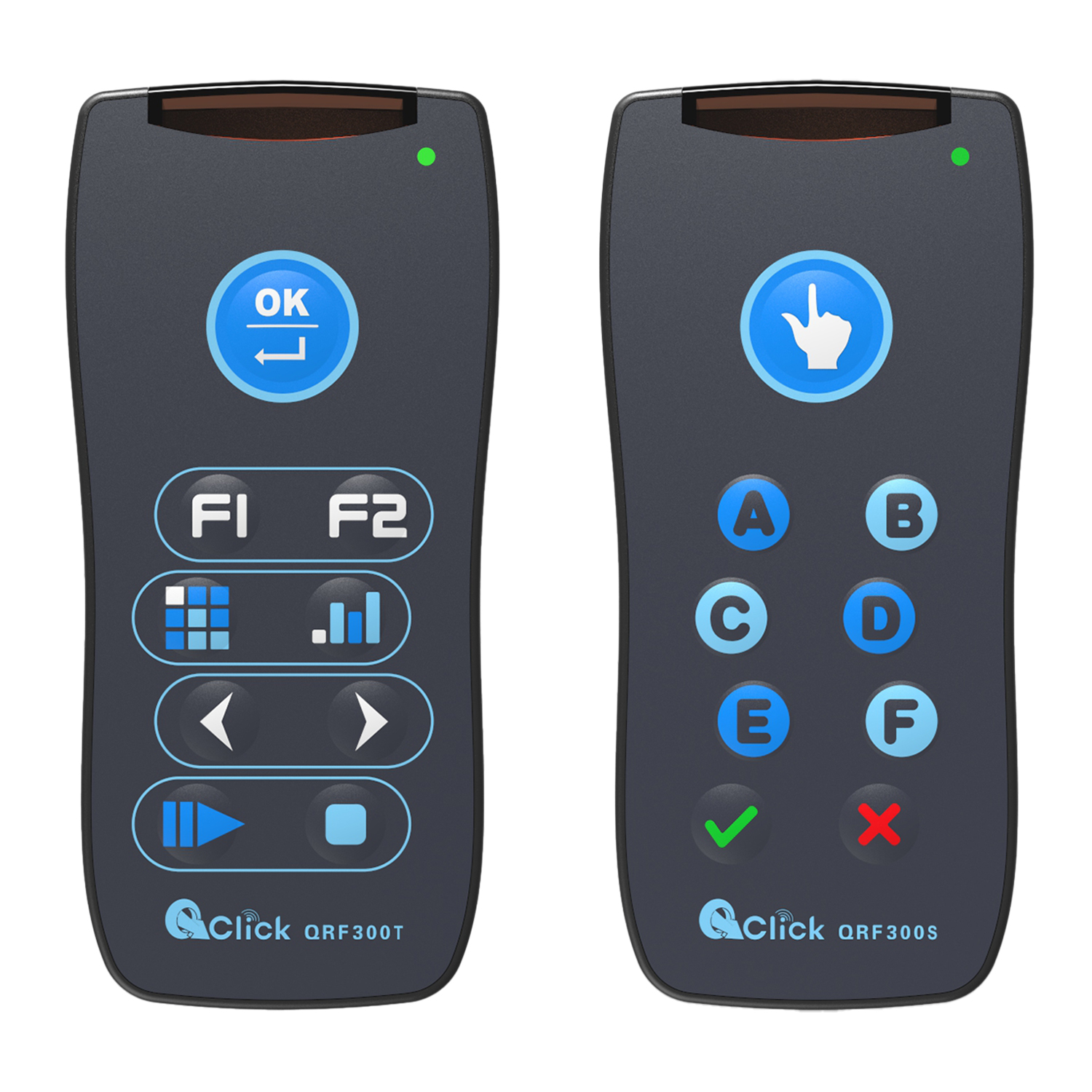
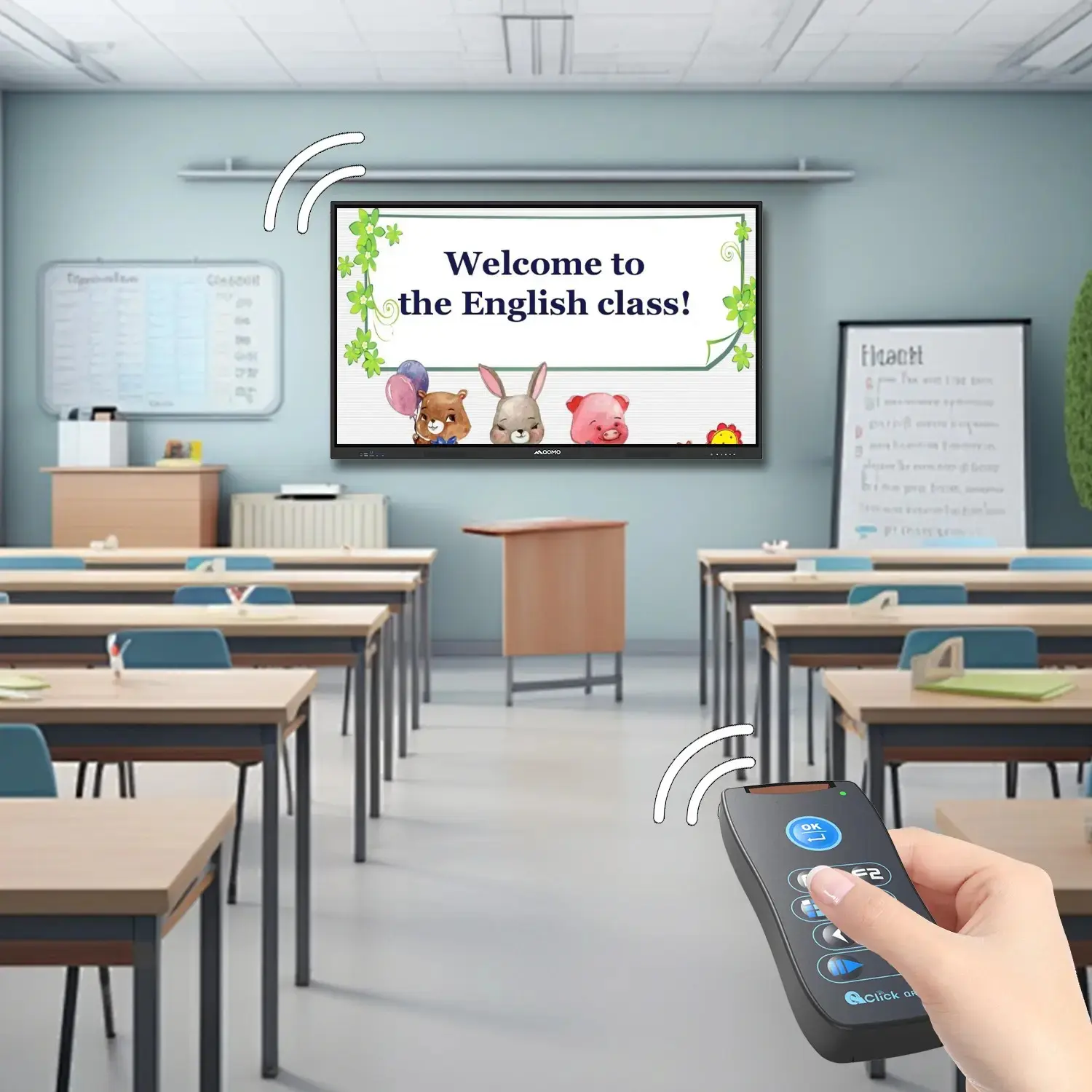
QClickThe most convenient educational software for working with Microsoft PowerPoint to quickly set up various question types and generate intelligent feedback reports.
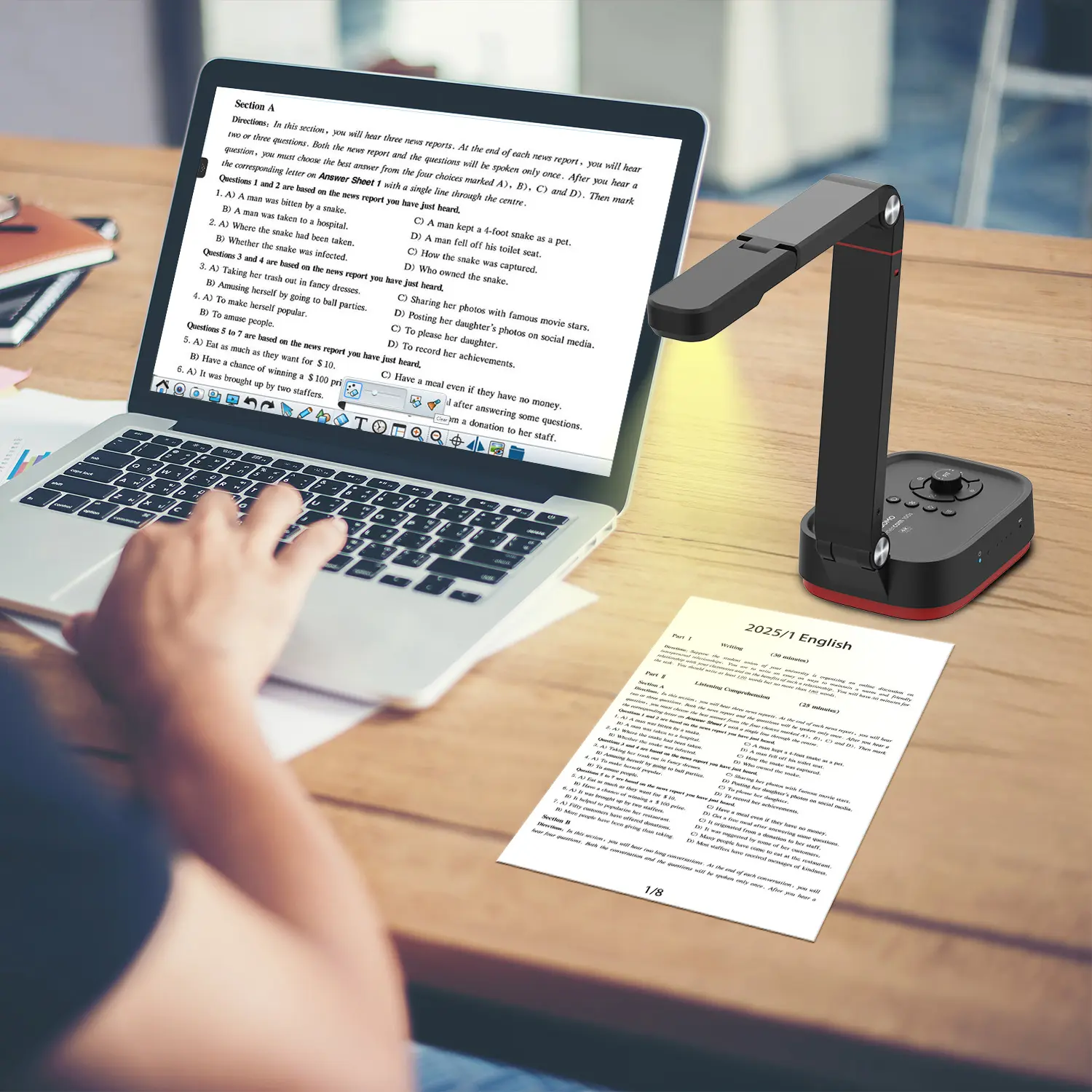
QCameraQCamera by QOMO allows for real-time streaming from cameras and document cameras. Annotate, save snapshots, record, and manipulate camera images instantly.
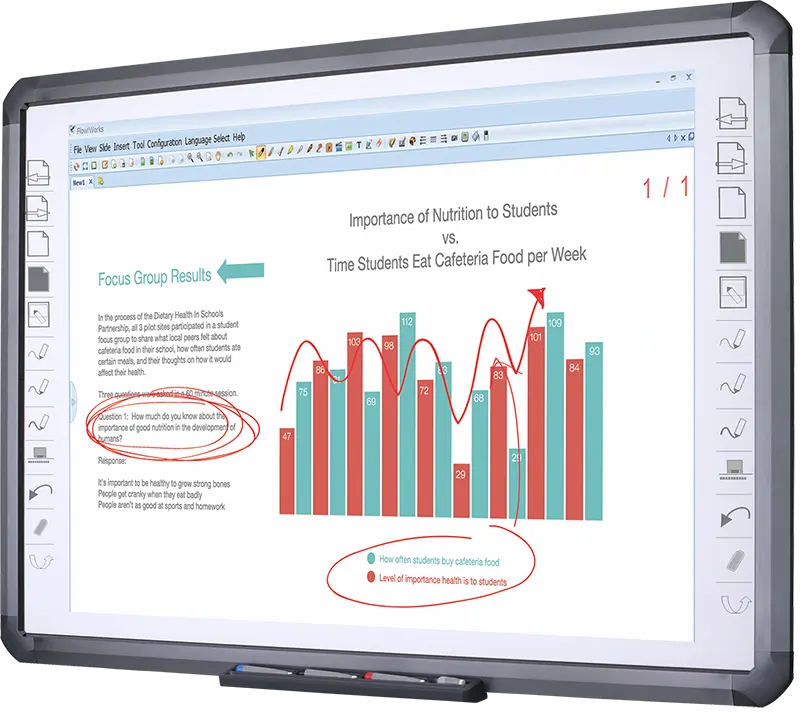
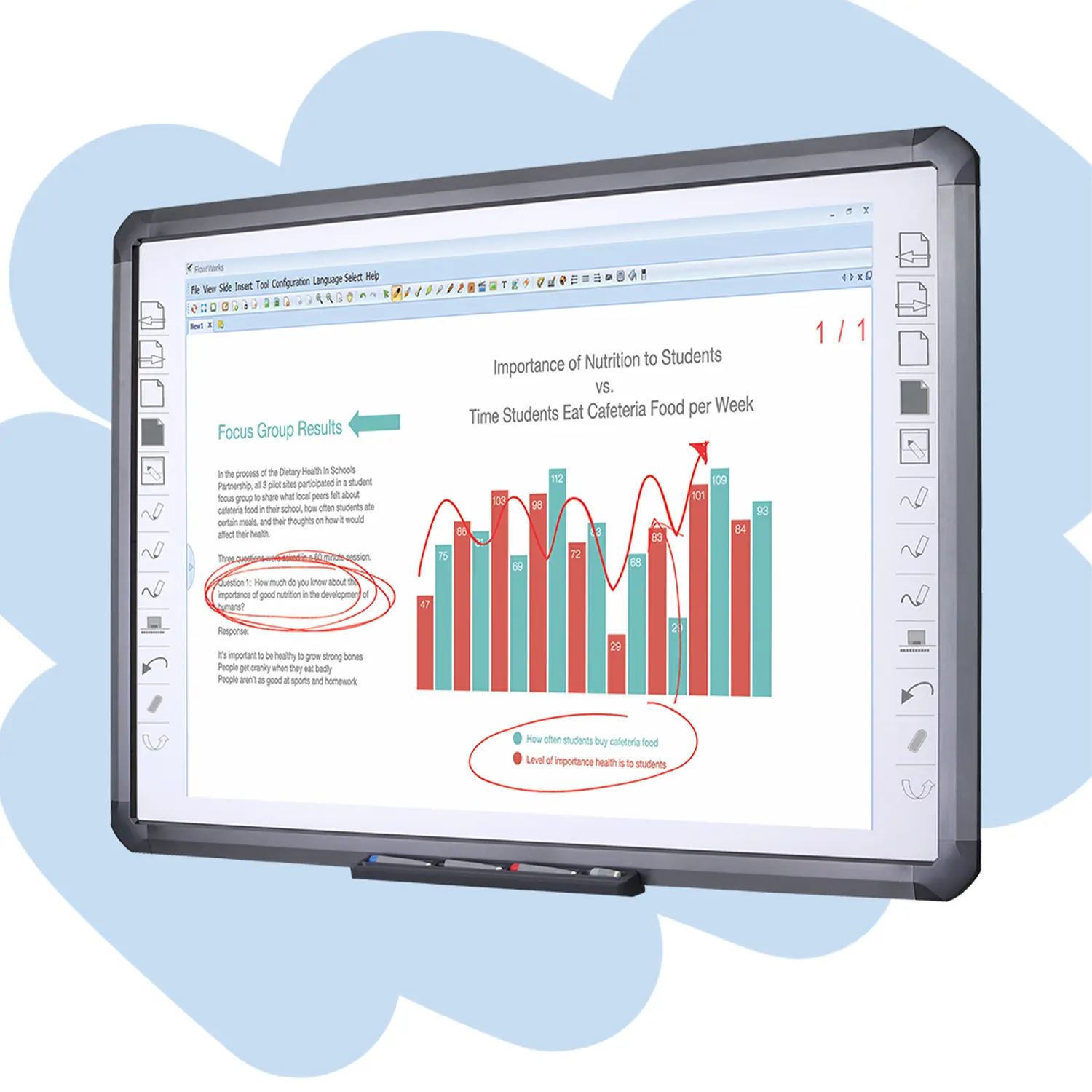
Flow!Works ProUser - friendly whiteboard software, it encompasses a wide range of presentation tools and powerful functions, delivering the most professional presentation experience to you.
Flow!WorksFlow!Works incorporates more educational tools, further enhancing the interactivity and fun - factor of your teaching.
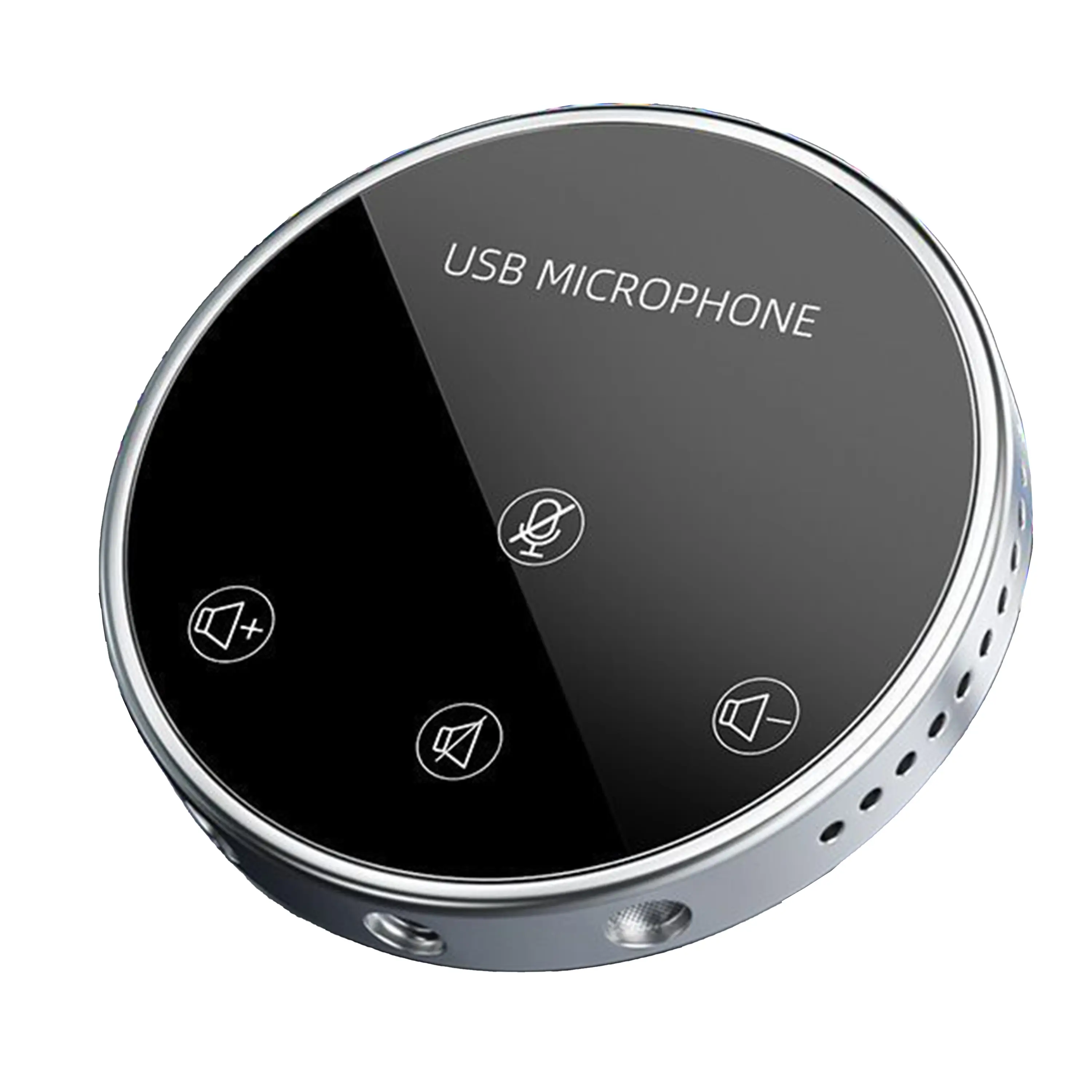
Conference Microphone● USB
● Plug and Play
● Intelligent Noise-Canceling
● 10ft/3m Extended Pickup Range
● 360° Omnidirectional Pickup
Conference Speakerphone● USB-C
● Plug and Play
● Intelligent Noise-Canceling
● 10ft/3m Extended Pickup Range
● 360° Omnidirectional Pickup
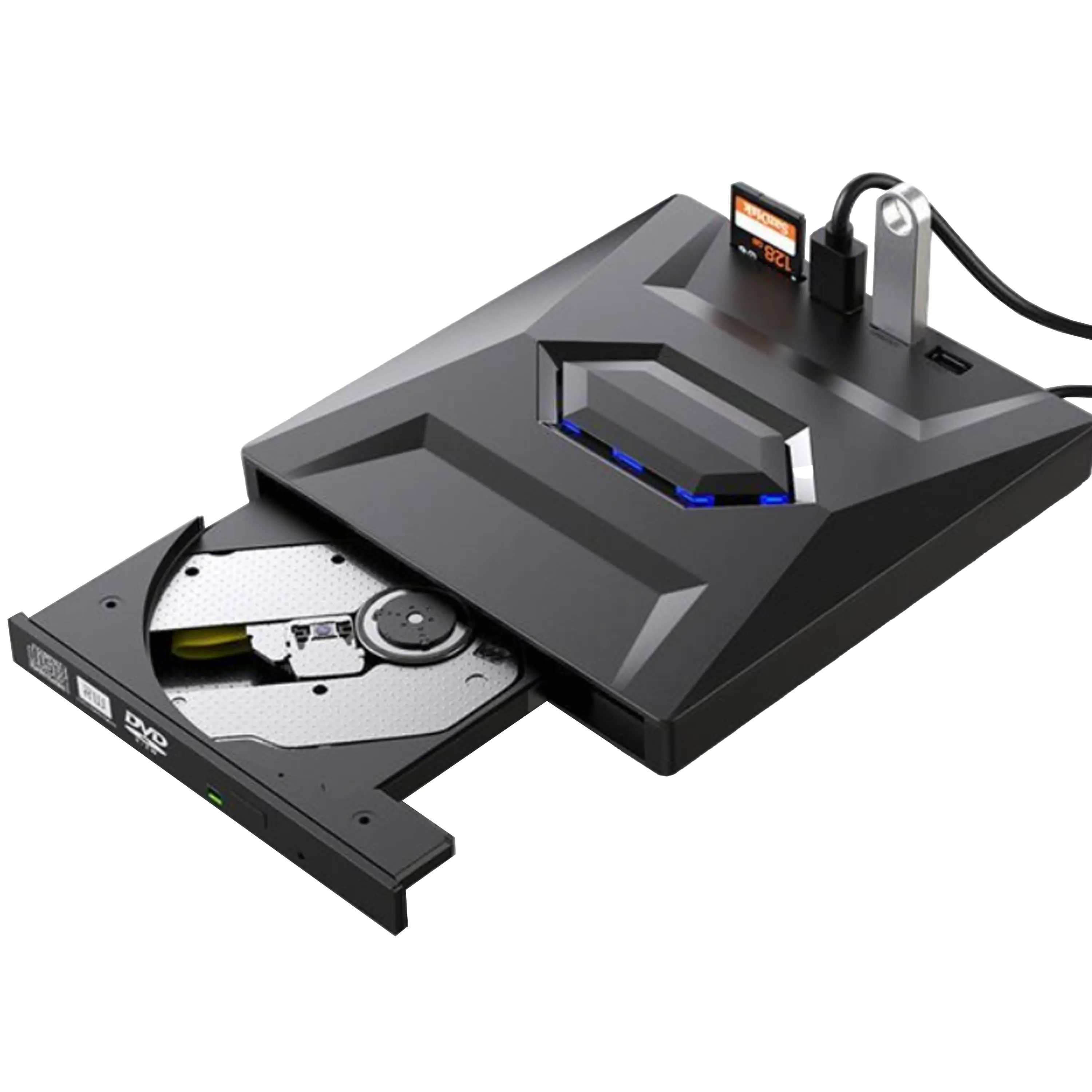
USB External CD/DVD Drive• USB and USB-C
• USB 3.0
• 8x DVD and 24x CD write/read speeds
• Portable
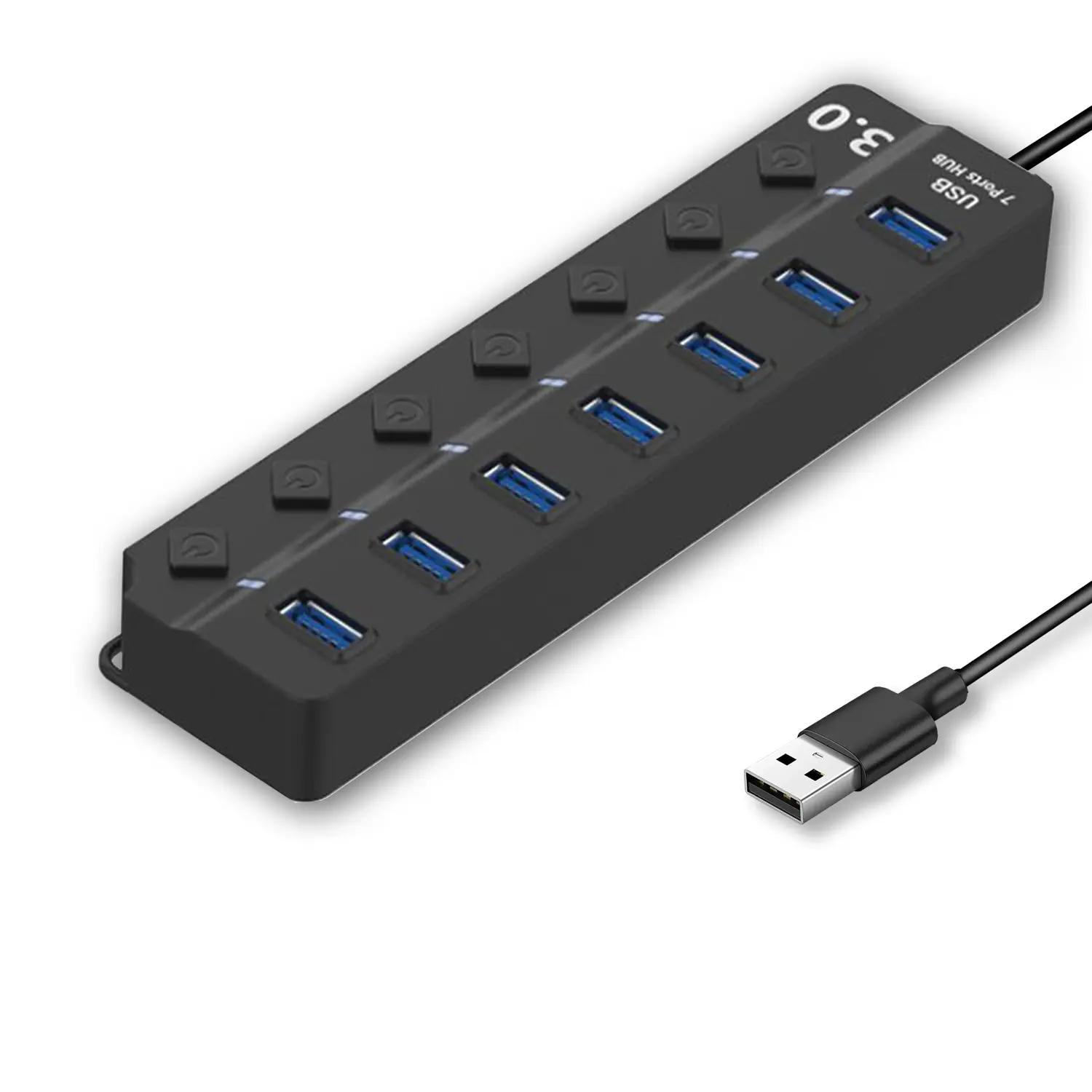
7-Port USB 3.0 Hub● USB 3.0
● Plug and Play
● 7-in-1 USB Hub
● Individual On/Off Switches
Revolutionize Your Presentations and Document Display with QWC 100S Document Camera
Enhance Call Experience: New Conference Microphone Now Available
AI-Powered Face-Tracking Webcam
Portable Document Camera Recommendations
Classic Design, Exceptional Functionality: QPC 22 Document Camera
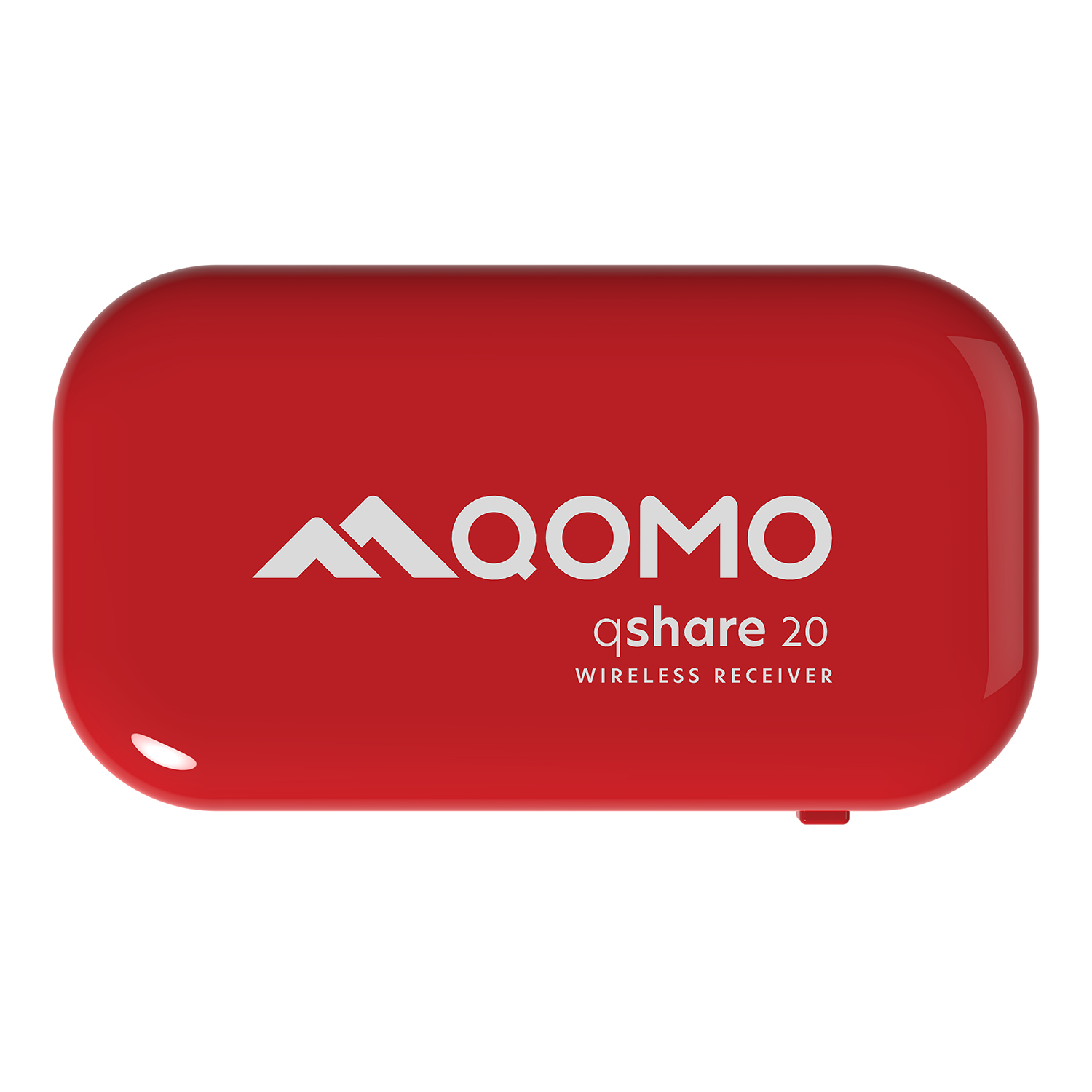
Wireless Screen Mirroring Solution for All Devices
Latest Audience Response System: QRF 999
Introducing the QPC 80H3 Gooseneck Document Camera
Creating a Smart Integrated Classroom: What Do You Need?
Wireless Connectivity Upgraded: WiFi-Free Wireless Document Receiver
Flow!Works Pro: Interactive Whiteboard Software for Engaging Classrooms
How to Choose the Perfect Document Camera and Elevate Productivity
QWC 004 Conference Webcam: The Top Choice for Remote Education
QCamera: Dedicated Software for Document Cameras to Elevate Your Presentations
QRF999 Voice Response System: Enhancing Teacher-Student Interaction
Work From Home? Maybe You Should Try This Document Camera
The Ultimate Educational Tool: Gooseneck Document Camera
60GHz Millimeter-Wave Wireless Screen Sharing: QShare 100
What Does a Modern Conference Room Need?
QD5000 Document Camera: Unimaginable Versatility!
QWC 004: The Most Cost-Effective Webcam
QVote Interactive Classroom Response System Software
Functionality, Aesthetics, Portability! Meet the QWC 100S Document Camera!
Why Choose the BundleBoard H/H2 Interactive Flat Panel?
Save Your Budget—Introducing the All-New QPC 70 Document Camera!
QIT 600F3: Revolutionize Your Presentations
QCamera: Professional Document Camera Software
QPC 5: The Ultimate 4K Portable Document Camera
Elevate Your Meetings in Seconds: QWC 006 Webcam
Meet QOMO at ISE 2025
Wireless Document Camera Solution, Revolutionizing Wireless Technology
QRF Series, Transform Your Classroom!
QOMO, Building Intelligent Classrooms
QOMO QShare100 New Release
Outstanding Office Equipment Recommendations
Choosing the best whiteboards for schools is more critical than ever. Recent studies show that effective teaching tools can enhance student engagement by up to 40%. These boards are central to delivering interactive lessons that spark creativity in the classroom. However, selecting the right type of whiteboard can be overwhelming.
Industry expert Dr. Emily Turner emphasizes, "The quality of whiteboards for schools directly affects teaching efficacy." Her research indicates that durability and functionality are key factors. A quality whiteboard not only withstands daily wear but also influences how educators present information. With options ranging from traditional dry-erase boards to advanced interactive displays, schools must carefully assess their needs.
Investing in whiteboards goes beyond aesthetics. Schools face budget constraints and limited resources. Often, decisions are made without considering long-term benefits or the specific needs of teachers and students. It's vital to reflect on what features truly enhance learning and collaboration. The right choice can make a significant difference in classroom dynamics and overall educational outcomes.
When considering whiteboards for educational settings, it's vital to understand the types available. Traditional dry erase boards are common. They offer flexibility and ease of use for teachers. However, they require regular maintenance to stay effective. Marks can linger if not cleaned promptly, which detracts from their clarity.
Magnetic whiteboards are another popular option. They allow for using magnets to display materials. This feature can enhance interactive learning. Yet, they can be more expensive. It's important to balance budget with the potential benefits.
Glass boards have gained traction too. They provide a sleek appearance and are easy to clean. Unfortunately, they can be prone to chipping or cracking, which might lead to safety concerns. Teachers should weigh these factors carefully.
Each type of board presents unique advantages and challenges. Ultimately, the choice should reflect the needs of both educators and students.
Choosing the right whiteboard for schools involves several important factors. The surface material is crucial for durability and usability. Non-porous surfaces make erasing easier and prevent staining. Teachers prefer boards that maintain smoothness even after frequent use. Consider the size of the whiteboard as well. A board should fit comfortably in the classroom and accommodate different teaching styles.
Accessibility is another vital factor. Boards should be at an appropriate height for both teachers and students. This ensures everyone can participate actively. Additionally, the frame quality should not be overlooked. A sturdy frame provides stability and longevity. Many schools find that the color of the frame can impact classroom aesthetics. Bright colors can create an engaging environment.
Budget constraints often limit options. However, investing in a quality board can save money over time. Cheaper boards may need replacement sooner, which can incur higher costs. It’s important to assess your needs carefully. Take feedback from teachers who will use the boards daily. Their experiences can guide better purchasing decisions. Balancing cost and quality might require patience and discussions among staff.
This chart displays important factors to consider when selecting whiteboards for schools. The data highlights the average rating each factor received based on school feedback.
When choosing whiteboards for schools, durability and maintenance are crucial. A whiteboard that can withstand daily wear and tear is essential for a productive learning environment. Look for materials that resist staining and ghosting. These factors will keep the board usable longer. A damaged board can disrupt the flow of a lesson, leading to frustration. Keeping track of maintenance is equally important.
Regular cleaning can prolong the lifespan of a whiteboard. Use appropriate cleaners and avoid harsh chemicals. This may seem obvious, but many overlook the impact of proper cleaning techniques. Teachers should be trained in best practices. Simple habits can prevent wear. Ensure markers have proper ink levels to avoid residue buildup.
Schools must also consider the board's installation. Positioned correctly, a board offers the best visibility. Yet, poor placement can lead to premature damage. Frequent use can cause scratches if not correctly handled. Reflecting on these factors can improve the overall experience in classrooms. A well-maintained board enhances learning and encourages creativity.
| Whiteboard Type | Durability Rating (1-5) | Maintenance Level (Low/Medium/High) | Surface Material | Ideal Usage |
|---|---|---|---|---|
| Melamine | 3 | Medium | Melamine Coated | Classrooms |
| Porcelain | 5 | Low | Porcelain Enamel | Long-Term Use |
| Glass | 4 | Medium | Tempered Glass | Modern Classrooms |
| Magnetic | 4 | Medium | Magnetic Coated | Versatile Usage |
| Melamine/Magnetic | 3 | Medium | Melamine with Magnetic Feature | Flexibility in Classrooms |
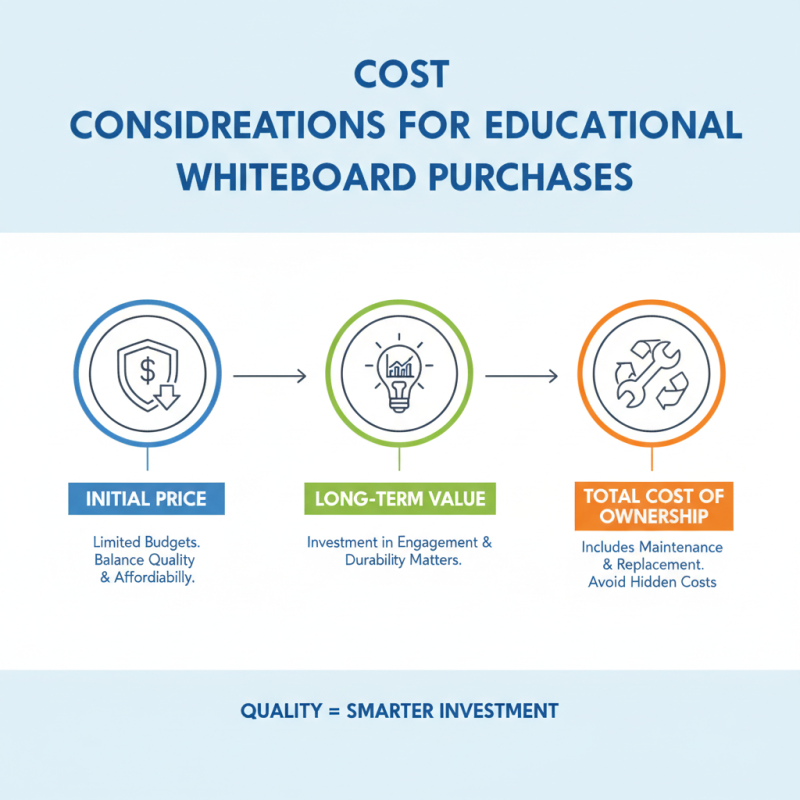
When considering whiteboards for educational settings, cost is a crucial factor. Schools often have limited budgets, and balancing quality with affordability can be challenging. High-quality boards are an investment, but they can improve student engagement and learning outcomes. It's essential to assess the total cost, including maintenance and replacement. A cheaper initial price might lead to higher long-term costs if the board does not hold up over time.
Another important aspect is the size and functionality of the whiteboard. Larger boards can accommodate more students at once, enhancing collaboration. However, they typically come with a higher price tag. Schools need to consider their space and specific needs before making a purchase. Are whiteboards mainly for teachers, or will students frequently use them? Understanding these needs can guide budget allocation effectively.
Lastly, different materials affect cost significantly. Porcelain and glass boards may be more expensive, yet they offer durability and ease of cleaning. In contrast, melamine boards are less expensive but may wear out quicker. Weighing these options carefully can lead to a more cost-effective choice in the long run. Ultimately, making the right selection requires reflecting on your school's needs versus its budget constraints.
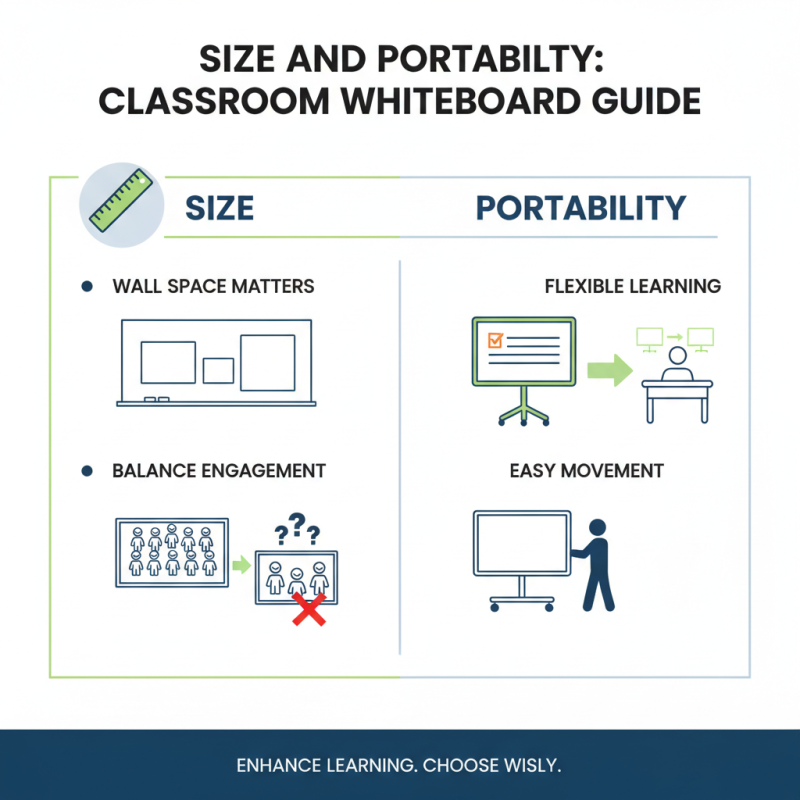
When selecting a whiteboard for schools, size and portability are crucial factors. A board that fits seamlessly into a classroom can enhance learning experiences. Standard classroom sizes vary, so consider available wall space. An oversized board may dominate the room and hinder movement. Conversely, a smaller board might not effectively accommodate a large class, limiting student engagement.
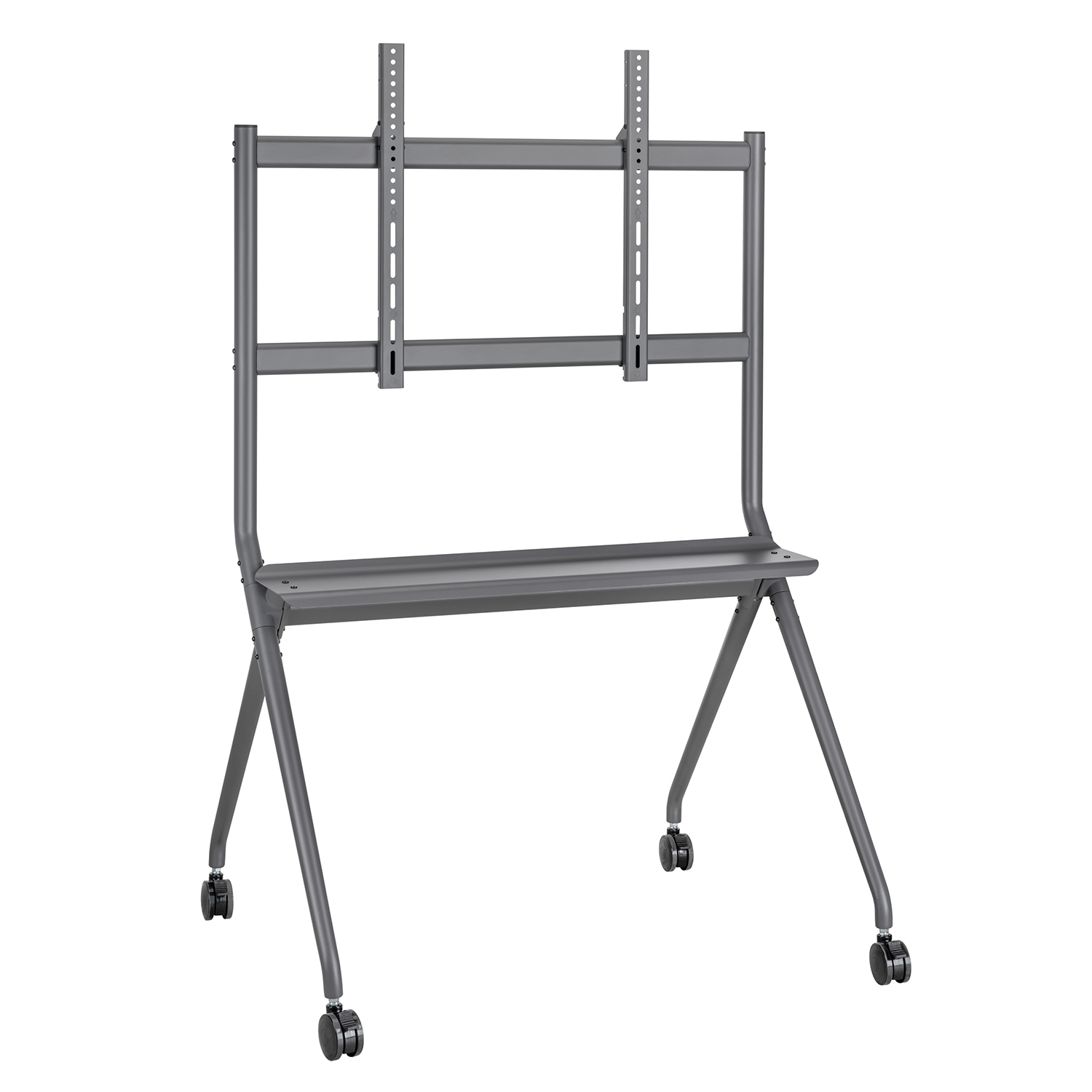
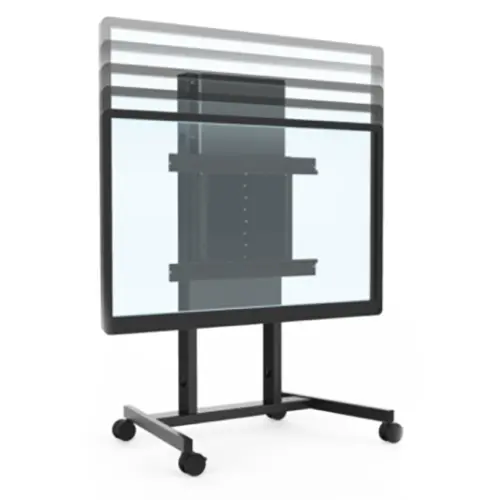
Portability is another essential aspect. Teachers often need to move boards for different activities or classroom layouts. Lightweight, mobile whiteboards can be moved easily. Some boards can even be repositioned within a classroom or to different areas of the school. This flexibility supports diverse teaching methods and collaborative activities.
When thinking about size and portability, reflect on the classroom dynamics. A board that is too large or too small may disrupt the flow of learning. Observing how students interact with the board can offer insights. Gathering feedback from teachers might help in refining the choice even further. Ultimately, the right fit can transform teaching methods and encourage a more interactive learning environment.