+86 152 8002 3723
QVoteProfessional Audience Response System software offers the most convenient functions for your interactions.
QClickThe most convenient educational software for working with Microsoft PowerPoint to quickly set up various question types and generate intelligent feedback reports.
QCameraQCamera by QOMO allows for real-time streaming from cameras and document cameras. Annotate, save snapshots, record, and manipulate camera images instantly.
Flow!Works ProUser - friendly whiteboard software, it encompasses a wide range of presentation tools and powerful functions, delivering the most professional presentation experience to you.
Flow!WorksFlow!Works incorporates more educational tools, further enhancing the interactivity and fun - factor of your teaching.
Conference Microphone● USB
● Plug and Play
● Intelligent Noise-Canceling
● 10ft/3m Extended Pickup Range
● 360° Omnidirectional Pickup
Conference Speakerphone● USB-C
● Plug and Play
● Intelligent Noise-Canceling
● 10ft/3m Extended Pickup Range
● 360° Omnidirectional Pickup
USB External CD/DVD Drive• USB and USB-C
• USB 3.0
• 8x DVD and 24x CD write/read speeds
• Portable
7-Port USB 3.0 Hub● USB 3.0
● Plug and Play
● 7-in-1 USB Hub
● Individual On/Off Switches
Revolutionize Your Presentations and Document Display with QWC 100S Document Camera
Enhance Call Experience: New Conference Microphone Now Available
AI-Powered Face-Tracking Webcam
Portable Document Camera Recommendations
Classic Design, Exceptional Functionality: QPC 22 Document Camera
Wireless Screen Mirroring Solution for All Devices
Latest Audience Response System: QRF 999
Introducing the QPC 80H3 Gooseneck Document Camera
Creating a Smart Integrated Classroom: What Do You Need?
Wireless Connectivity Upgraded: WiFi-Free Wireless Document Receiver
Flow!Works Pro: Interactive Whiteboard Software for Engaging Classrooms
How to Choose the Perfect Document Camera and Elevate Productivity
QWC 004 Conference Webcam: The Top Choice for Remote Education
QCamera: Dedicated Software for Document Cameras to Elevate Your Presentations
QRF999 Voice Response System: Enhancing Teacher-Student Interaction
Work From Home? Maybe You Should Try This Document Camera
The Ultimate Educational Tool: Gooseneck Document Camera
60GHz Millimeter-Wave Wireless Screen Sharing: QShare 100
What Does a Modern Conference Room Need?
QD5000 Document Camera: Unimaginable Versatility!
QWC 004: The Most Cost-Effective Webcam
QVote Interactive Classroom Response System Software
Functionality, Aesthetics, Portability! Meet the QWC 100S Document Camera!
Why Choose the BundleBoard H/H2 Interactive Flat Panel?
Save Your Budget—Introducing the All-New QPC 70 Document Camera!
QIT 600F3: Revolutionize Your Presentations
QCamera: Professional Document Camera Software
QPC 5: The Ultimate 4K Portable Document Camera
Elevate Your Meetings in Seconds: QWC 006 Webcam
Meet QOMO at ISE 2025
Wireless Document Camera Solution, Revolutionizing Wireless Technology
QRF Series, Transform Your Classroom!
QOMO, Building Intelligent Classrooms
QOMO QShare100 New Release
Outstanding Office Equipment Recommendations
With the rise of the cosmetics industry, synthetic mica powder has gained significant attention. This material is a popular choice for its shimmering properties and versatile applications. Dr. Jane Smith, an expert in cosmetic materials, once stated, "Synthetic mica powder allows manufacturers to create brilliant and safe products that meet modern demands."
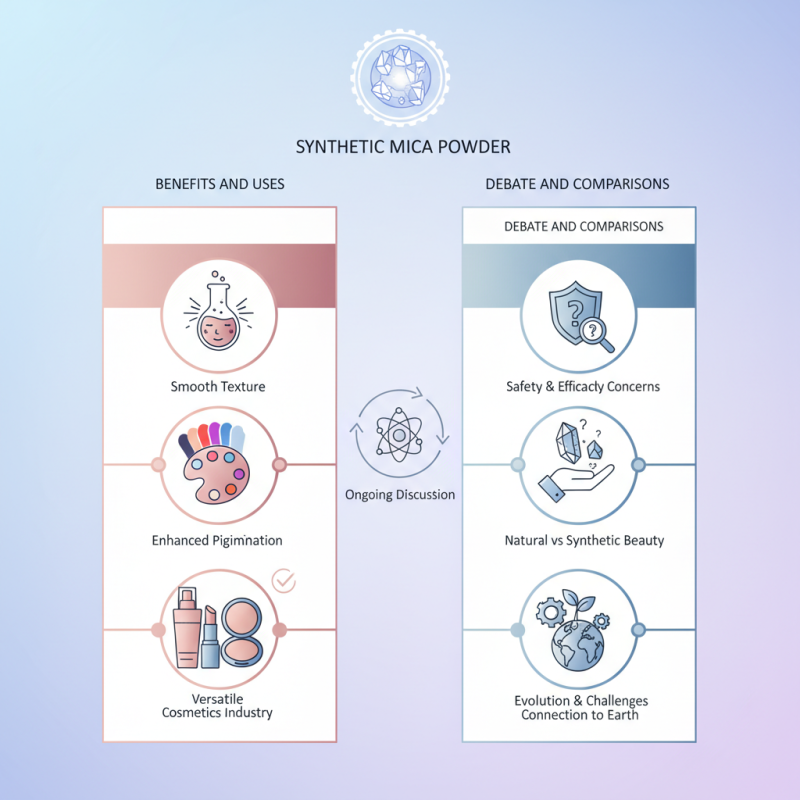
The benefits of synthetic mica powder are extensive. It provides a smooth texture and enhances pigmentation. These features make it ideal for a range of products, from foundations to eyeshadows. Many brands prefer this alternative over natural mica due to ethical concerns. However, some still question whether synthetic options can fully replicate the beauty of natural materials.
It’s important to reflect on the ongoing debate surrounding synthetic mica powder. Some consumers are unclear about its safety and efficacy. Additionally, some fear that reliance on synthetic solutions may distance us from the earth's natural beauty. The ongoing evolution of this synthetic material presents both opportunities and challenges in the field of cosmetics.
Synthetic mica powder is a versatile material with unique properties. It is composed primarily of synthetic muscovite or phlogopite, both of which contribute to its exceptional performance. This powder is characterized by its shimmering appearance and smooth texture. It is commonly used in cosmetics, paints, and coatings.
One of the significant benefits of synthetic mica powder is its heat resistance. This property makes it ideal for high-temperature applications. Additionally, it provides excellent coverage and enhances colors in various products. Its lightweight nature also contributes to ease of application, but this can sometimes result in uneven layering.
Despite its advantages, synthetic mica powder has its downsides. Some users report challenges in achieving the desired texture in formulations. This requires careful formulation adjustments. It is essential to consider the sourcing of synthetic mica as well; while it is a suitable alternative, ethical implications remain. Overall, synthetic mica powder presents an intriguing option for multiple industries, yet it demands thoughtful consideration in application and sourcing.
Synthetic mica powder has gained significant traction across various industries due to its unique properties. In cosmetics, it is used for its shimmer and smooth application. An estimated 35% of the synthetic mica produced is utilized in this sector. The powder adds a natural glow to makeup products, making it a preferred choice. However, the sourcing of natural mica often raises ethical concerns. Synthetic mica presents a viable alternative, minimizing environmental impact.
In the paint and coatings industry, synthetic mica improves durability and resistance. It enhances the aesthetic appeal while providing protection against weathering. Recent studies indicate that the demand for synthetic mica in this sector has grown by over 20% annually. It is essential to note that despite its benefits, not all synthetic micas are created equal. Some may not perform as effectively in certain applications, leading to mixed reviews from manufacturers.
Furthermore, synthetic mica finds applications in the electronics industry. Its insulating properties are crucial for producing high-quality electronic components. However, the production process can vary, impacting the end material's effectiveness. Continuous research is necessary to address these inconsistencies. The push for better quality control is vital in this fast-evolving market.
Synthetic mica powder offers several advantages over its natural counterpart. One key benefit is its consistent quality. Unlike natural mica, which can vary in texture and color, synthetic mica provides a uniform appearance. This consistency is crucial for industries like cosmetics and coatings. When formulating products, brands prefer materials that deliver reliable results.
Another significant benefit lies in its safety profile. Synthetic mica is free from impurities often found in natural sources. This makes it a safer choice for cosmetics. Certain natural mica varieties may contain harmful elements. With synthetic mica, companies can ensure their products meet safety regulations easily.
Furthermore, synthetic mica is more environmentally friendly. Its production does not involve mining, which can devastate ecosystems. While some argue that synthetic materials lack the charm of natural ones, the benefits often outweigh this concern. The uniformity and safety of synthetic mica make it an appealing choice in various applications, from cosmetics to industrial uses.
When comparing synthetic mica to natural mica, several factors come into play. Synthetic mica is often more consistent. This evenness allows manufacturers to achieve uniform results in products. In contrast, natural mica can vary greatly in quality and appearance. The variability of natural products might lead to unexpected results. For makeup and cosmetics, this inconsistency can be problematic for both producers and consumers.
Synthetic mica also offers superior performance in specific applications. It is less prone to contamination and has a higher purity level. This makes it suitable for sensitive uses, like skincare. On the other hand, some people may prefer natural mica for its traditional appeal. However, sourcing natural mica can raise ethical concerns.
Tips: When selecting mica, consider your application. Choose synthetic mica for consistent performance. If opting for natural, research sourcing practices. Always test samples before large orders. Remember, understanding the differences helps in making informed decisions.
This chart illustrates the comparative performance characteristics of synthetic mica and natural mica across various dimensions.
The production of synthetic mica powder has raised important environmental questions. Unlike natural mica, synthetic mica is typically made from silica, soda, and other raw materials. This process can be less harmful to ecosystems, but it’s crucial to address the consumption of resources. Water and energy usage during production can strain local environments.
Sustainability in synthetic mica production is a complex issue. The creation process claims to reduce deforestation, but energy sources may still rely on fossil fuels. Are we truly lessening our carbon footprint? Moreover, synthetic mica can be more chemically consistent. This might lead to less waste in cosmetic applications. However, the manufacturing impact still warrants attention.
Challenges remain in making synthetic mica production fully sustainable. Innovations are needed to minimize resource consumption and reduce emissions. Discussions on recycling synthetic materials are essential. The industry must contemplate these imperfections and strive for a more responsible approach. By exploring these issues, we can aim for a better balance between production needs and environmental preservation.
| Feature | Synthetic Mica Powder | Natural Mica Powder |
|---|---|---|
| Source | Chemically synthesized | Minable mineral from the earth |
| Purity | Higher purity with controlled production | Varies due to natural impurities |
| Applications | Cosmetics, coatings, plastics | Cosmetics, electronics, construction |
| Environmental Impact | Lower environmental degradation | Mining impacts natural habitats |
| Sustainability | More sustainable with recycling options | Less sustainable, reliant on natural resources |
| Cost | Generally lower due to synthetic production | Higher due to extraction and processing costs |