+86 152 8002 3723
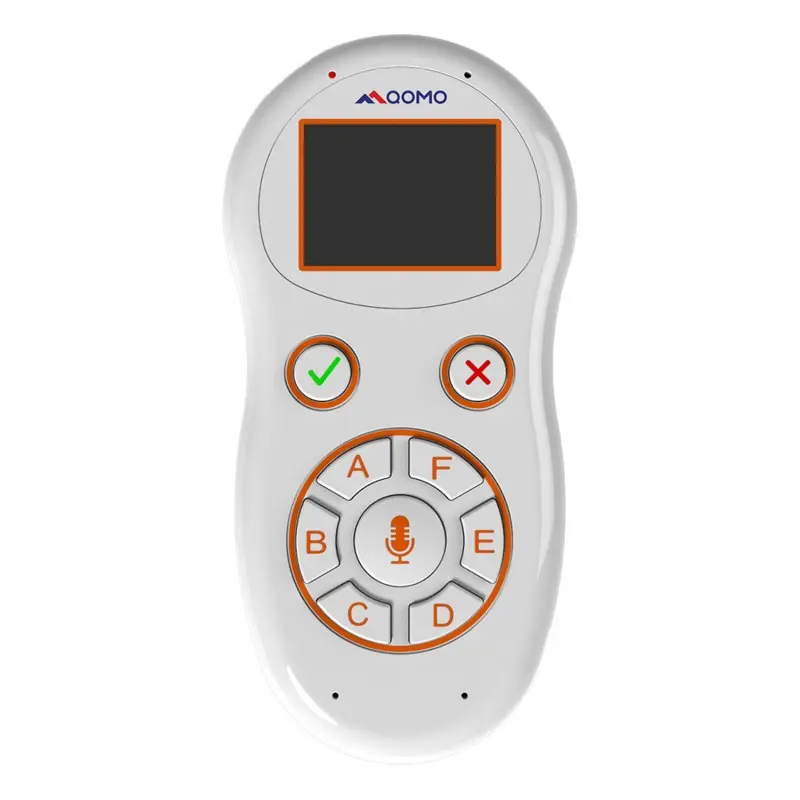
QVoteProfessional Audience Response System software offers the most convenient functions for your interactions.
QClickThe most convenient educational software for working with Microsoft PowerPoint to quickly set up various question types and generate intelligent feedback reports.
QCameraQCamera by QOMO allows for real-time streaming from cameras and document cameras. Annotate, save snapshots, record, and manipulate camera images instantly.
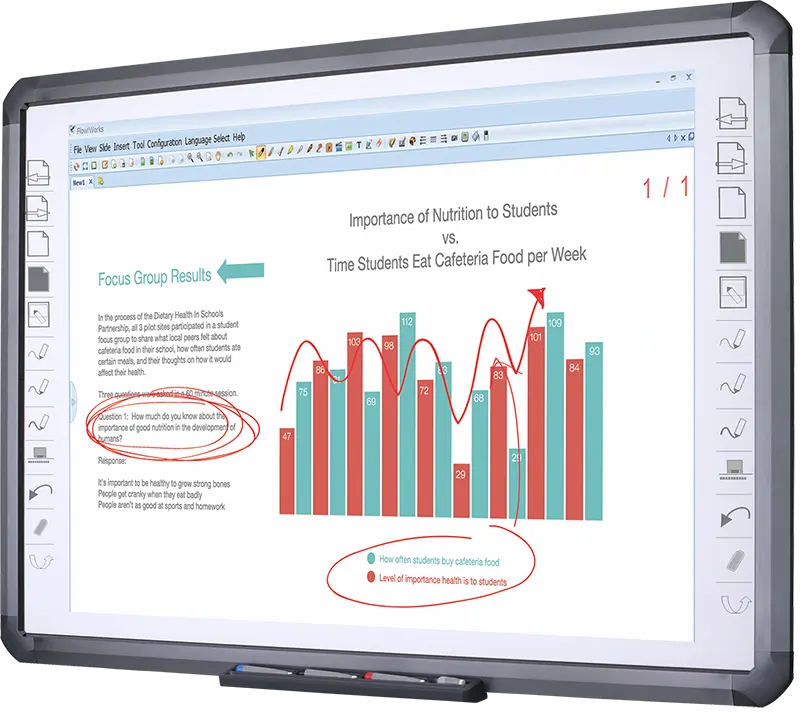
Flow!Works ProUser - friendly whiteboard software, it encompasses a wide range of presentation tools and powerful functions, delivering the most professional presentation experience to you.
Flow!WorksFlow!Works incorporates more educational tools, further enhancing the interactivity and fun - factor of your teaching.
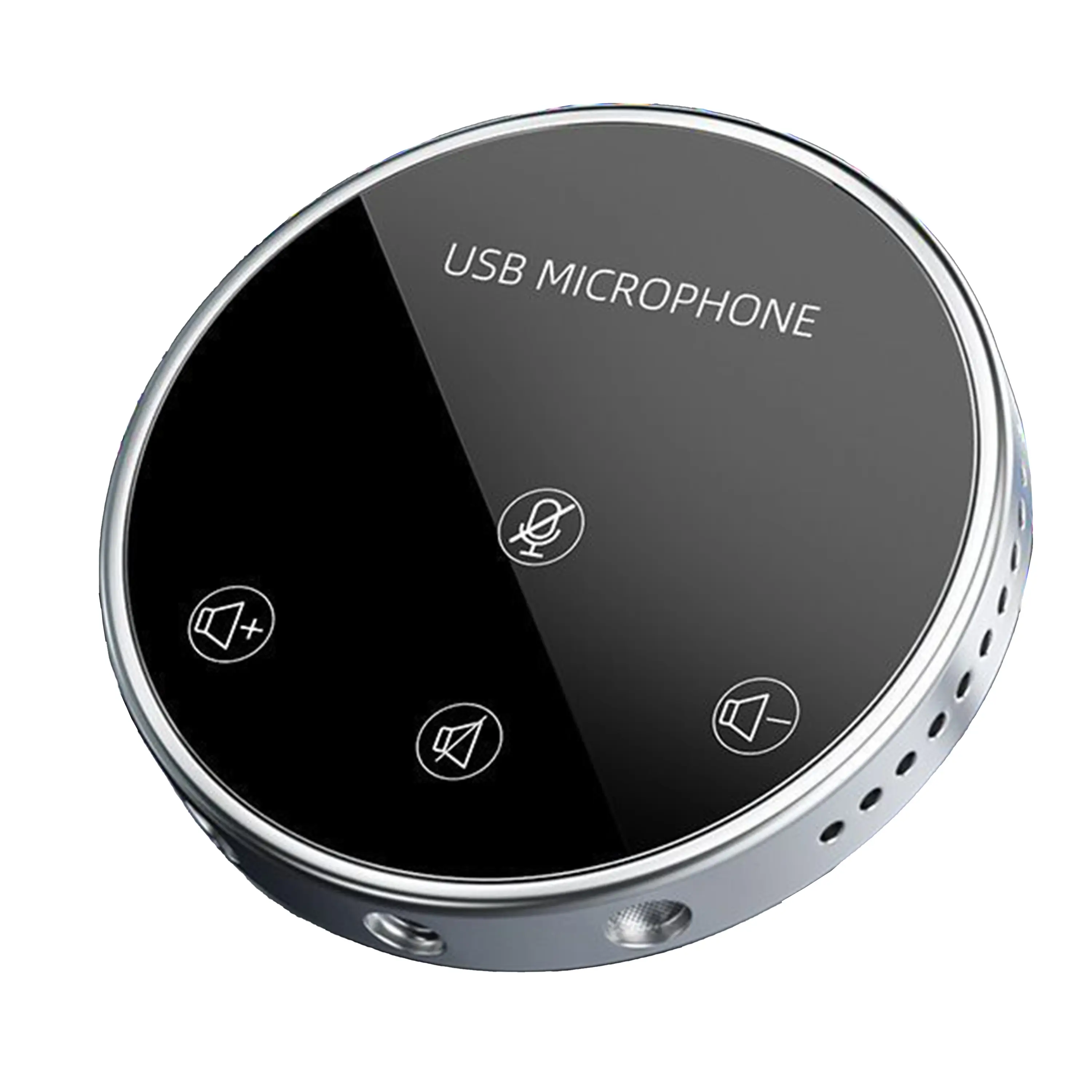
Conference Microphone● USB
● Plug and Play
● Intelligent Noise-Canceling
● 10ft/3m Extended Pickup Range
● 360° Omnidirectional Pickup
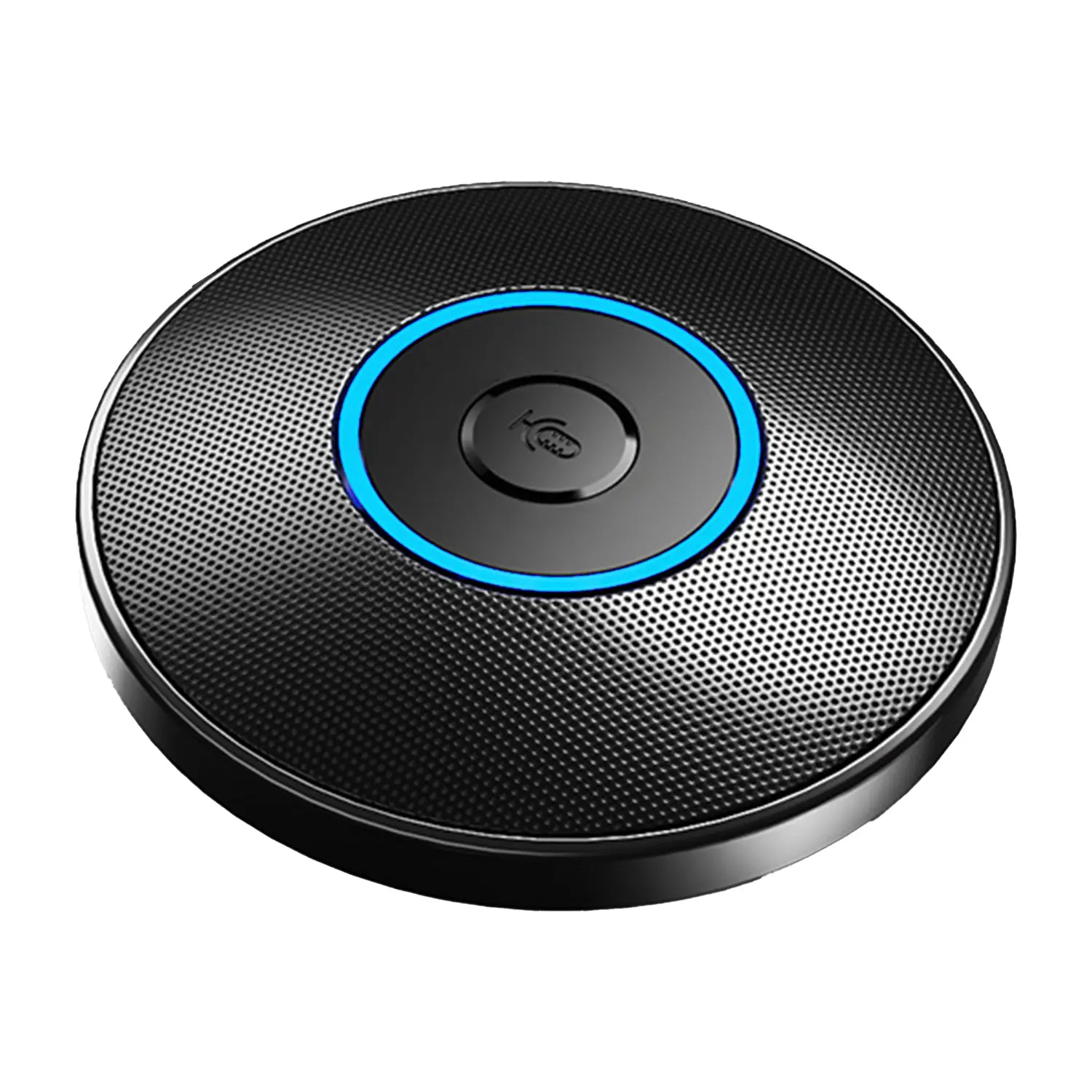
Conference Speakerphone● USB-C
● Plug and Play
● Intelligent Noise-Canceling
● 10ft/3m Extended Pickup Range
● 360° Omnidirectional Pickup
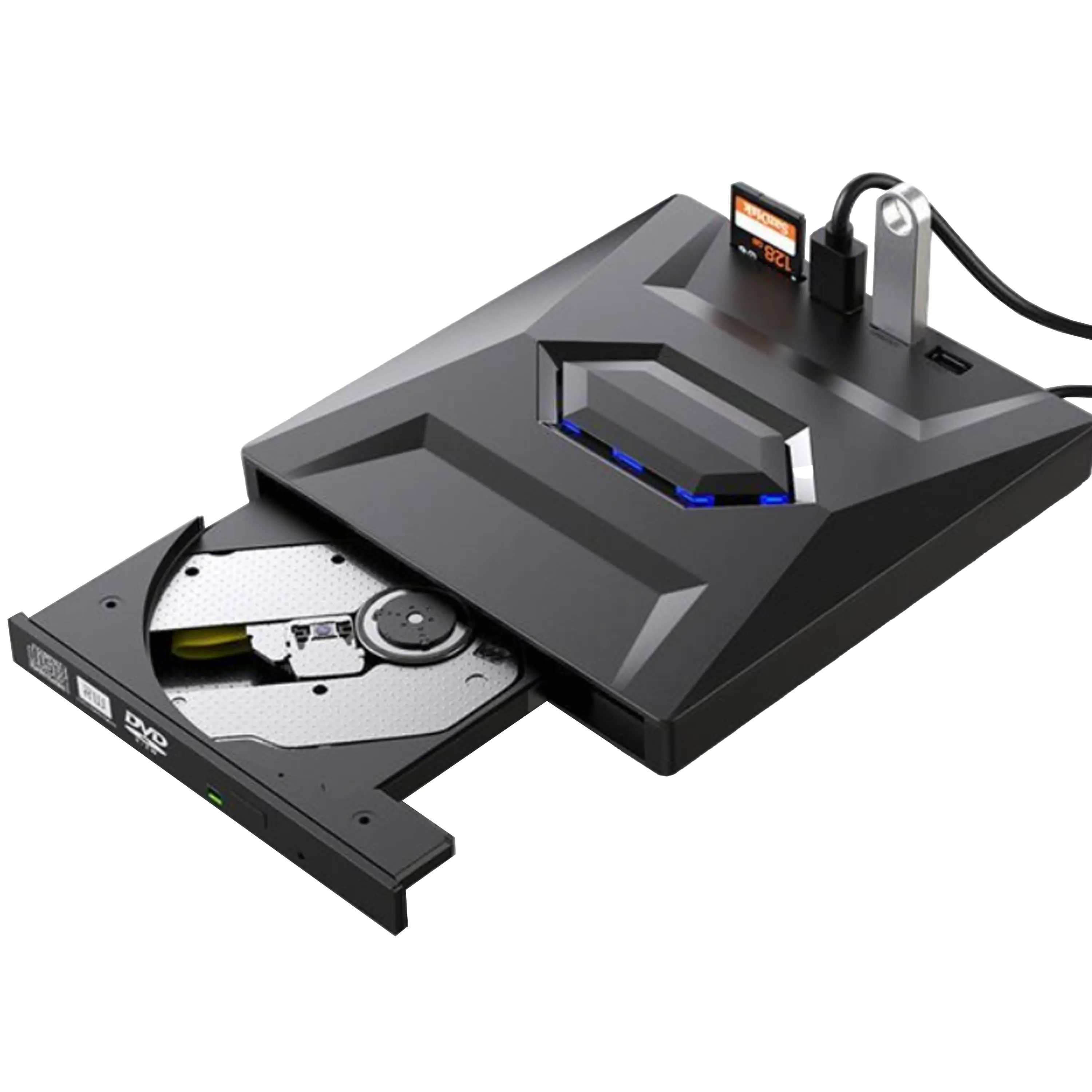
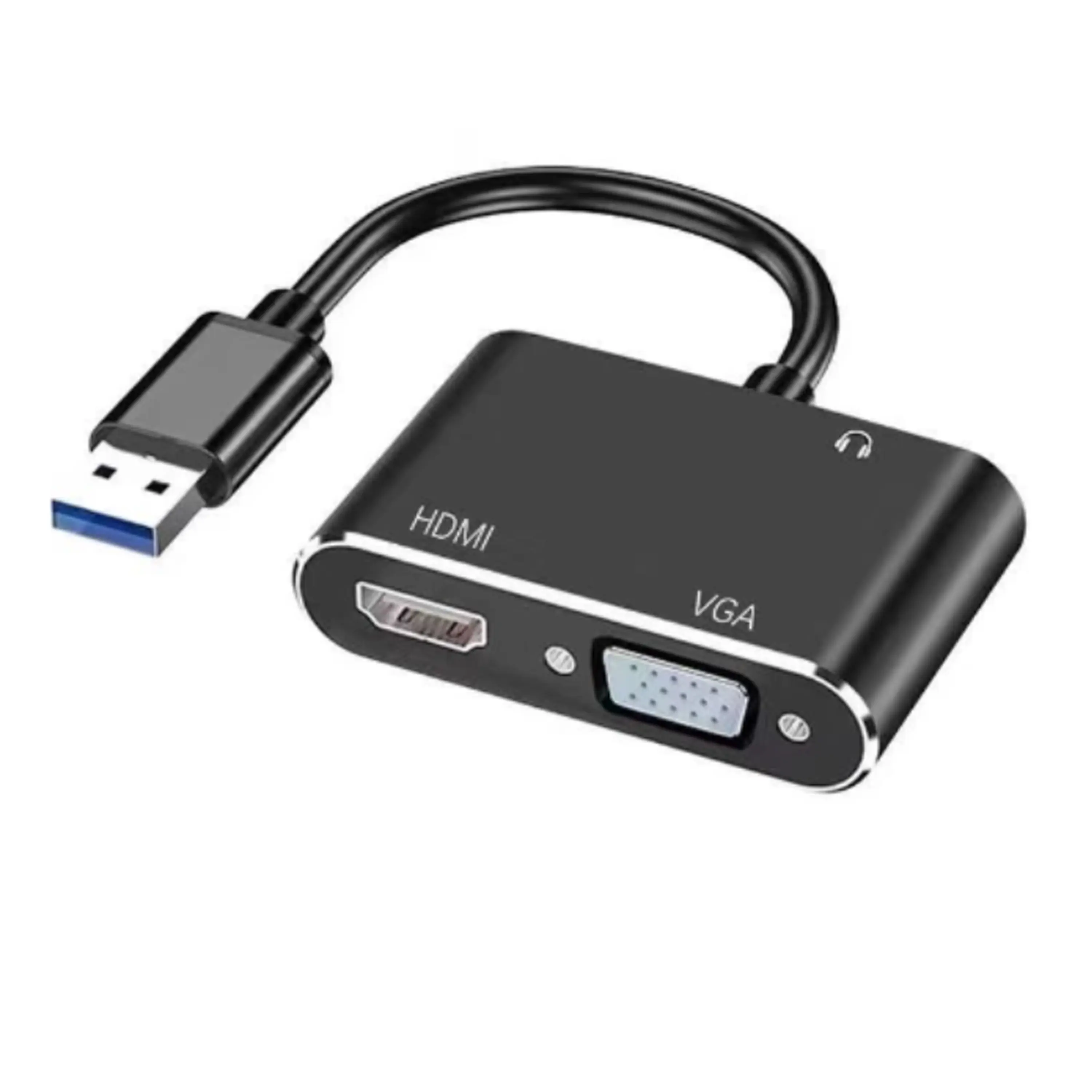
USB External CD/DVD Drive• USB and USB-C
• USB 3.0
• 8x DVD and 24x CD write/read speeds
• Portable
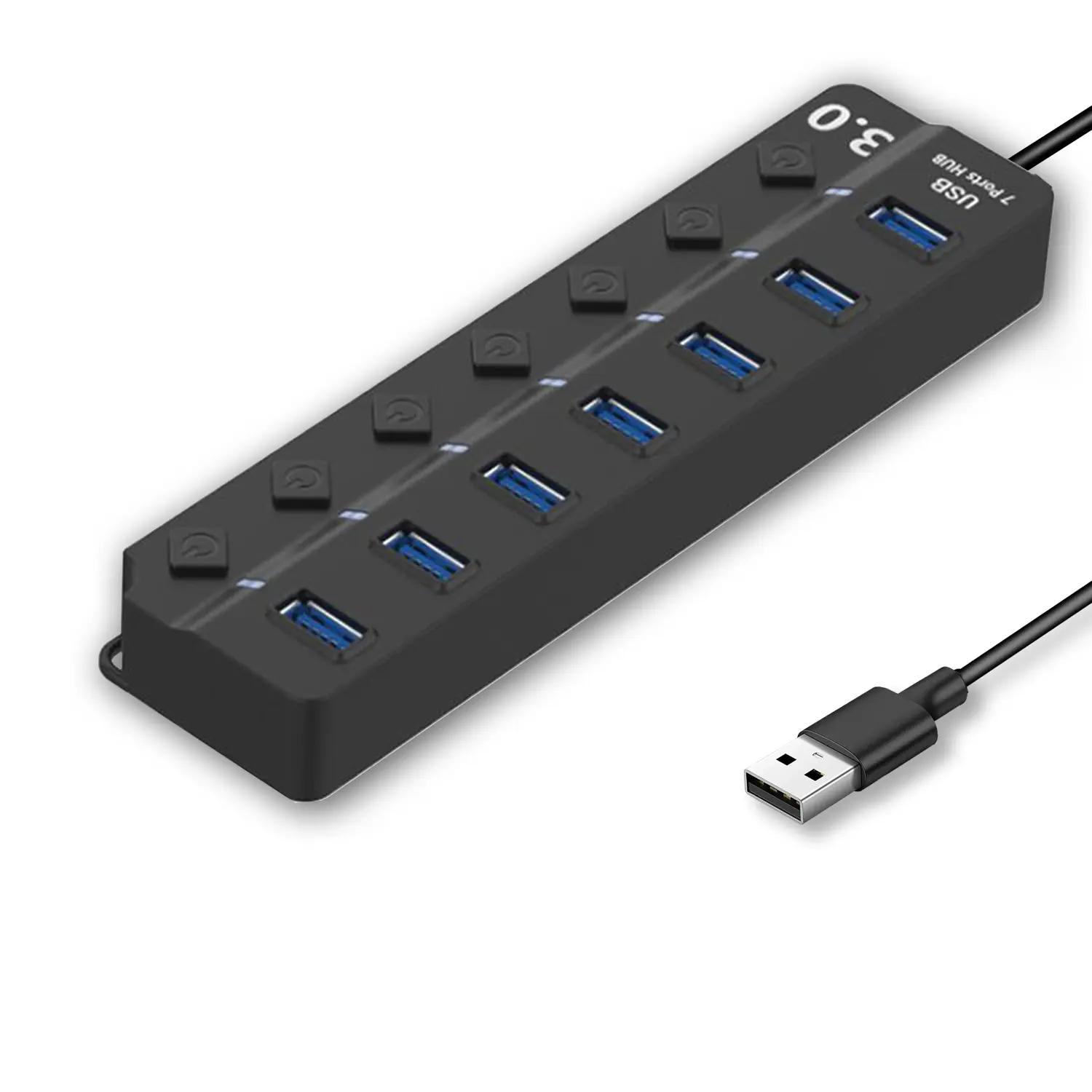
7-Port USB 3.0 Hub● USB 3.0
● Plug and Play
● 7-in-1 USB Hub
● Individual On/Off Switches
Revolutionize Your Presentations and Document Display with QWC 100S Document Camera
Enhance Call Experience: New Conference Microphone Now Available
AI-Powered Face-Tracking Webcam
Portable Document Camera Recommendations
Classic Design, Exceptional Functionality: QPC 22 Document Camera
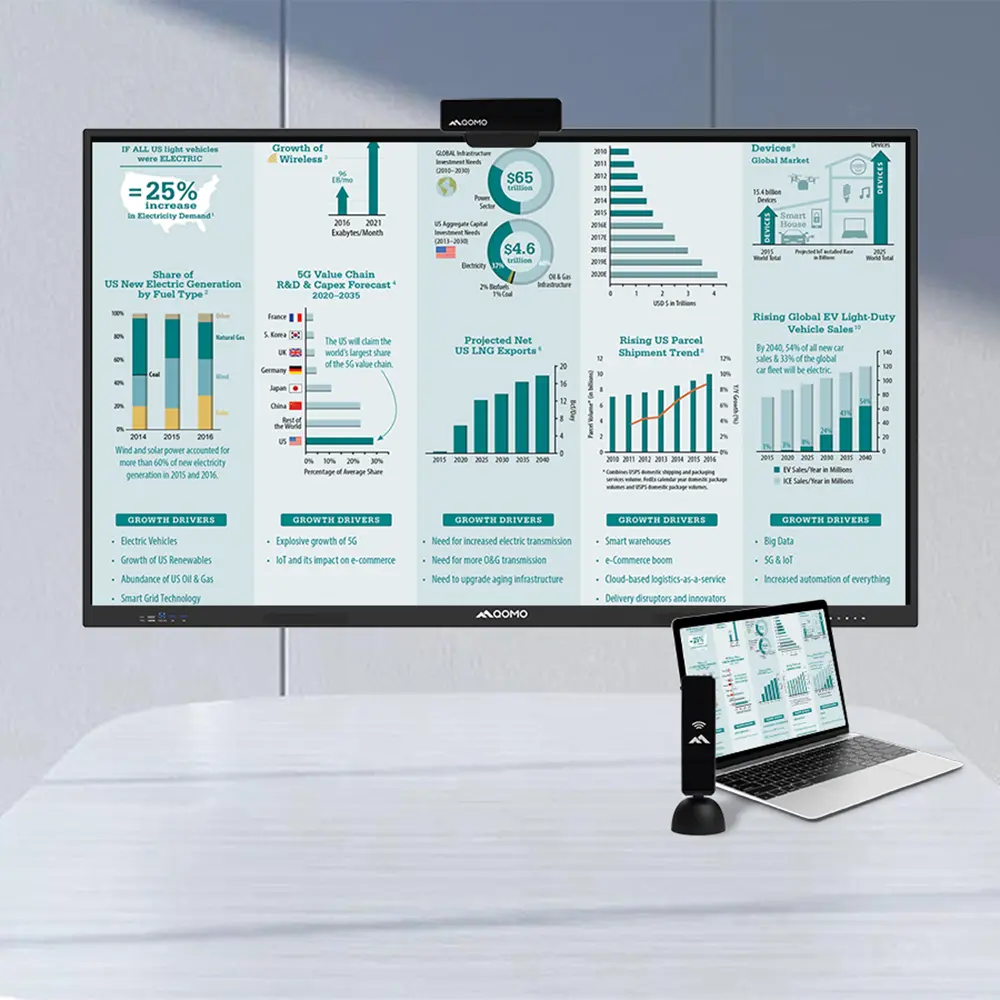
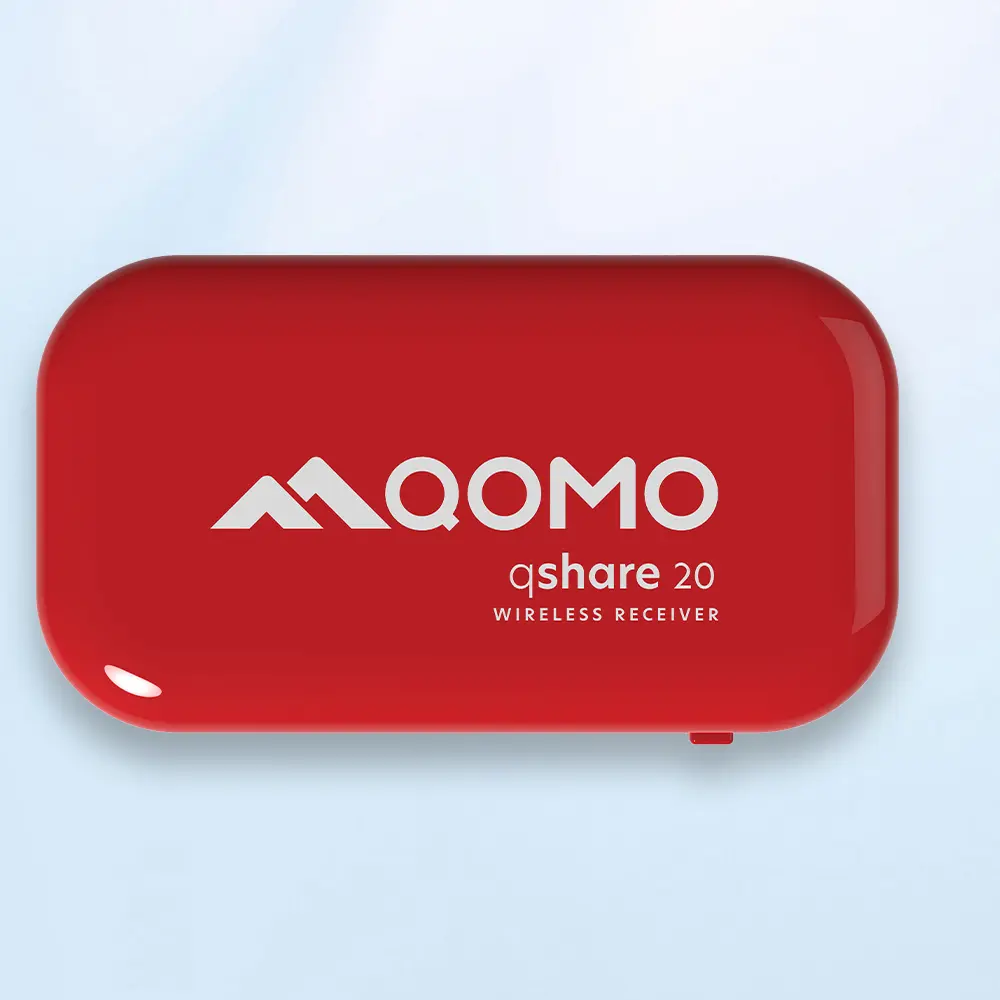
Wireless Screen Mirroring Solution for All Devices
Latest Audience Response System: QRF 999
Introducing the QPC 80H3 Gooseneck Document Camera
Creating a Smart Integrated Classroom: What Do You Need?
Wireless Connectivity Upgraded: WiFi-Free Wireless Document Receiver
Flow!Works Pro: Interactive Whiteboard Software for Engaging Classrooms
How to Choose the Perfect Document Camera and Elevate Productivity
QWC 004 Conference Webcam: The Top Choice for Remote Education
QCamera: Dedicated Software for Document Cameras to Elevate Your Presentations
QRF999 Voice Response System: Enhancing Teacher-Student Interaction
Work From Home? Maybe You Should Try This Document Camera
The Ultimate Educational Tool: Gooseneck Document Camera
60GHz Millimeter-Wave Wireless Screen Sharing: QShare 100
What Does a Modern Conference Room Need?
QD5000 Document Camera: Unimaginable Versatility!
QWC 004: The Most Cost-Effective Webcam
QVote Interactive Classroom Response System Software
Functionality, Aesthetics, Portability! Meet the QWC 100S Document Camera!
Why Choose the BundleBoard H/H2 Interactive Flat Panel?
Save Your Budget—Introducing the All-New QPC 70 Document Camera!
QIT 600F3: Revolutionize Your Presentations
QCamera: Professional Document Camera Software
QPC 5: The Ultimate 4K Portable Document Camera
Elevate Your Meetings in Seconds: QWC 006 Webcam
Meet QOMO at ISE 2025
Wireless Document Camera Solution, Revolutionizing Wireless Technology
QRF Series, Transform Your Classroom!
QOMO, Building Intelligent Classrooms
QOMO QShare100 New Release
Outstanding Office Equipment Recommendations
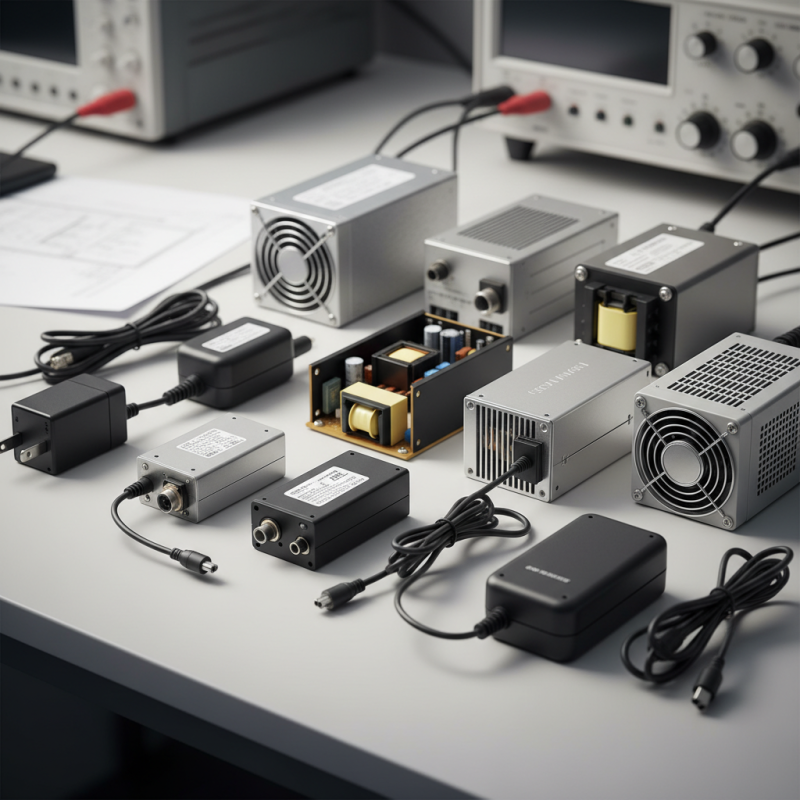
Ac Dc Power Supply is vital in modern electronics. It converts alternating current (AC) to direct current (DC), powering countless devices. The market offers various types, each tailored for specific applications.
Understanding the top AC DC power supply types helps in making informed choices. Whether for charging batteries, powering devices, or industrial applications, knowing the right type is crucial. Specific models excel in particular environments, while others may lack efficiency.
Users must consider their needs carefully. Factors such as voltage, current rating, and form factor matter greatly. Often, choosing the wrong power supply leads to inefficiencies or malfunctions. Exploring these options requires attention to detail and a willingness to adapt.
Understanding different types of AC DC power supplies is crucial for various applications. These power supplies are categorized based on their design and intended use. Common types include linear, switch-mode, and uninterruptible power supplies. Each type serves unique needs in different industries.
Linear power supplies provide stable output voltage. They are simple and reliable but inefficient. They generate heat and consume more energy. These supplies work well for audio equipment where low noise is critical. Switch-mode power supplies are more popular in modern devices. They are smaller, lighter, and more efficient. However, they might introduce noise, which can affect sensitive electronic devices.
Tips: Always check the voltage requirements of your devices before choosing a power supply. Misalignment can lead to damage or malfunction. Additionally, consider the heat dissipation in enclosed spaces. It's vital for maintaining the longevity of your power supply. Lastly, don't overlook the fluctuating load. Some devices may need more power during peak usage. Knowing these factors will help refine your choices.
Linear power supplies are fundamental in various applications. They offer a steady and reliable output, making them ideal for sensitive electronic devices. These supplies utilize linear regulators to maintain a constant voltage. This design minimizes noise, which is vital in audio and communication equipment. The simplicity of their design is appealing. However, they often lack efficiency compared to switching power supplies.
One key feature of linear power supplies is their low output ripple. This is crucial for high-fidelity audio systems where sound quality matters. They also generate less electromagnetic interference. This benefit enhances the performance of nearby components. But, they can be bulky and heavy. Their heat management can pose challenges, too. Consideration of these factors is essential.
Moreover, linear power supplies excel in laboratory and testing environments. Their precise output voltage is necessary for sensitive experiments. However, users need to be mindful of heat dissipation. This could affect the overall performance and safety. Balancing these aspects is important for optimal usage.
Switching power supplies are widely popular in various applications. They convert electrical power efficiently. This efficiency allows for smaller designs. Many everyday devices rely on these supplies. From mobile phones to computer systems, they're essential. Their lightweight construction also aids portability.
One major advantage of switching power supplies is their versatility. They can operate at different input voltages. This flexibility makes them suitable for diverse markets. Many industries benefit from their compact forms. However, these systems can introduce electrical noise. This could interfere with sensitive electronics. Users must consider this factor when designing systems.
Another point to reflect on is the thermal management of switching supplies. They generate heat during operation. Without proper cooling, performance can degrade. Oversight in this area leads to failures. Engineers should conduct thorough testing to avoid potential issues. This attention to detail can prevent costly mistakes in the long run.
When choosing between regulated and unregulated power supplies, several factors come into play. Regulated power supplies maintain a constant output voltage, ensuring reliable performance for sensitive electronics. They are essential for devices that require stable power, such as computers and medical equipment. These supplies can adjust to changes in load without fluctuating output, making them ideal for precise applications.
On the other hand, unregulated power supplies are simpler and often less expensive. They provide a voltage that can vary with the input and load conditions. This can lead to output fluctuations, which may not be suitable for all devices. Unregulated supplies are often used in applications where precise voltage is not crucial, like powering simple gadgets or lights.
**Tip:** If reliability is critical, opt for a regulated supply. It prevents damage to your device. However, for less sensitive applications, an unregulated supply might suffice and save you money.
Another consideration is efficiency. Regulated supplies can become complex and may generate more heat under heavy load. Unregulated supplies are typically more straightforward, but heat can still be a concern. Assess your project needs carefully. Identify what compromises you are willing to make.
**Tip:** Always double-check your specifications. Even minor oversights can lead to performance issues down the line. Aim for a perfect balance tailored to your unique project demands.
| Power Supply Type | Regulated/Unregulated | Best Uses | Output Voltage Range | Efficiency (%) |
|---|---|---|---|---|
| Linear Power Supply | Regulated | Audio Equipment, Test Instruments | 0-30V | 70-90% |
| Switching Power Supply | Regulated | Computers, Industrial Equipment | 5-48V | 80-90% |
| Battery Charger | Regulated | Power Banks, Electric Vehicles | 12-48V | 75-85% |
| AC Adapter | Regulated | Laptops, Portable Devices | 5-20V | 80-95% |
| Unregulated Power Supply | Unregulated | Low-Cost Devices, Simple Electronics | 0-12V | 60-70% |
| DIN Rail Power Supply | Regulated | Industrial Control, Automation | 12-24V | 85-90% |
| Open-Frame Power Supply | Regulated | Compact Devices, Embedded Systems | 5-48V | 80-92% |
| Panel Mount Power Supply | Regulated | Instrumentation, Control Panels | 12-24V | 85-95% |
| Power Supply Module | Regulated | DIY Projects, Prototyping | 5-24V | 70-80% |
Selecting the right AC/DC power supply is crucial for many applications. According to a recent industry report, over 50% of equipment failures are linked to power issues. A well-chosen power supply ensures stability and reliability. It’s essential to consider voltage, current, and power efficiency.
When choosing a model, look at the specifications. For example, a regulated power supply can provide stable voltage output. This is vital for sensitive electronics. On the other hand, a switching power supply offers compact design and greater efficiency. About 80% of users prefer switching supplies for their versatility. However, care must be taken. Noise and electromagnetic interference can be a concern.
Do not overlook the environment of use. Some supplies are not suitable for high temperatures. The operating environment can affect performance. About 30% of failed units are due to overheating. Understand the implications. A thorough evaluation helps avoid costly mistakes. Always consider the long-term impact of your choice.