request to quote
Leave Your Message

Top 10 Magnetic Glass Whiteboard Suppliers for Global Buyers?

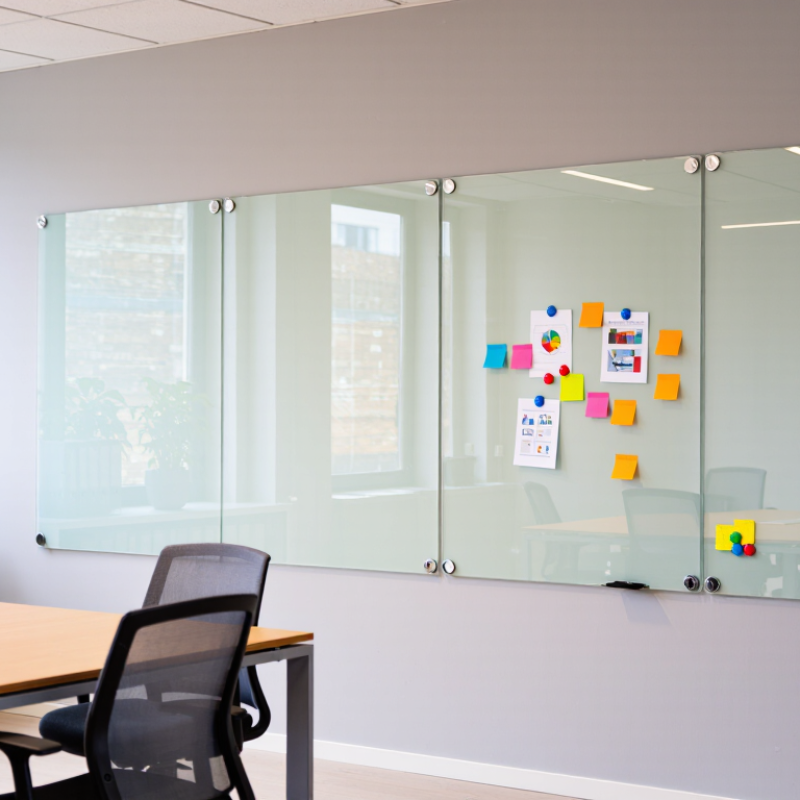
Magnetic Glass Whiteboard buying is no longer a simple choice between a glossy panel and a marker. Global buyers must weigh writing clarity, magnetic hold, mounting safety, cleaning effort, customization, and after-sales support. A sleek board can still disappoint if magnets slide or ghosting remains after cleaning.

Grand View Research valued the global office furniture market at about USD 59.8 billion in 2023 and projected continued growth through 2030. That broad category is not a market-size estimate for Magnetic Glass Whiteboard products. It does, however, reflect sustained investment in workplace equipment, where durable, easy-to-maintain tools matter. Buyers should compare supplier specifications with samples, warranty terms, and references from similar projects.

Workplace sociologist Dr. Tracy Brower’s research offers a useful lens: work environments should support both people’s tasks and their wellbeing. This is a general workplace principle, not a direct endorsement of glass boards. No verifiable, topic-specific quotation from a named Magnetic Glass Whiteboard expert was supplied, so attributing one here would be misleading.

Details matter. Check the board’s glass thickness, edge finish, mounting hardware, and whether magnets hold notes through the glass. Ask suppliers how they handle replacement parts and installation guidance across regions. Some product pages leave these points unclear. That deserves a second look. This guide compares ten suppliers for global buyers, focusing on practical evidence rather than polished claims alone.

Top 10 Magnetic Glass Whiteboard Suppliers for Global Buyers?

What Magnetic Glass Whiteboards Are and How They Are Made

A magnetic glass whiteboard is a writing surface made from smooth glass, with a ferrous metal layer behind it. The glass itself does not attract magnets. That distinction matters when comparing products: magnet strength depends on the backing, glass thickness, and the magnets used. A sample test with an ordinary note magnet can reveal more than a glossy product photo.

Production typically begins with glass cut to size, then its edges are ground and polished. The panel is tempered for added strength, though tempered glass cannot be cut afterward. A colored coating is applied to the rear, or a finished backing is fitted behind the glass. For magnetic models, manufacturers position steel behind the writing area and assemble the layers with suitable fixings or adhesives. Small gaps and uneven pressure can affect the finished panel. Details matter.

Before installation, check that the surface erases cleanly and that magnets hold paper through the glass. These are practical checks, not guarantees of long-term performance. Ask about glass thickness, edge finishing, mounting hardware, and care instructions. Some boards look pristine under showroom lights but show smears in a bright office. Annoying, but real. A useful specification should describe both the writing surface and the magnetic backing, rather than relying on the word “magnetic” alone.

How to Evaluate Magnetic Glass Whiteboard Suppliers

How to Evaluate Magnetic Glass Whiteboard Suppliers

A polished sample can hide weak backing, uneven edges, or unreliable mounting hardware. Ask suppliers for glass thickness, tempering documentation, edge-finishing details, and written load limits. Request a sample panel and test it with the magnets and markers your team will actually use. Check for ghosting after ink dries, and inspect corners under bright light. Small defects matter.

Compare more than unit price. Record magnet-holding performance, panel flatness, packaging protection, replacement-part availability, lead time, and warranty exclusions. The UNEP 2024 Global Status Report for Buildings and Construction reports that buildings used 32% of global energy and produced 34% of energy-related emissions in 2022. The World Green Building Council’s 2019 report estimates that materials and construction contribute about 11% of global emissions. These are sector-wide figures, not product footprints. Still, they support asking for material and transport disclosures.

A useful supplier scorecard should separate verified evidence from sales claims. Request test methods and dated inspection records, then compare equivalent panel sizes and specifications. No scorecard is perfect. A supplier may provide complete documents yet struggle with careful packing or consistent delivery. Confirm those details through a trial order, and note any unanswered questions before committing to a larger shipment.

Profiles of 10 Suppliers Serving Global Buyers

The first supplier profile is a glass specialist offering magnetic, enamel-coated panels for frequent classroom use. Ask about surface warranty and marker cleaning tests. A second focuses on made-to-measure boards, with custom dimensions and drilled mounting points. A third supplies framed office boards in standard sizes, which can simplify repeat orders. The fourth combines whiteboards with mobile stands. Check wheel locks and frame stability in person, if possible.

A fifth supplier serves project buyers with bulk packaging and pallet planning. Its strength is shipment coordination, though lead times may shift. A sixth offers lightweight panels for easier installation. Confirm that reduced weight does not mean a fragile surface. A seventh focuses on accessories, such as magnetic trays and compatible markers. Small details matter. A tray that sits too close to the writing area can become annoying.

The eighth profile is a regional distributor holding common sizes in stock, useful when schedules are tight. A ninth supports private-label specifications and packaging, but buyers should approve a physical sample before production. The tenth offers installation guidance and replacement parts, which can help after delivery. Compare glass thickness, backing material, edge finish, mounting hardware, and crate protection across all ten. Photos can look convincing. They do not show how a board feels to write on or how securely it travels. A sample review takes time, but skipping it can be the costly choice.

Top 10 Magnetic Glass Whiteboard Suppliers for Global Buyers? - Profiles of 10 Suppliers Serving Global Buyers

The entries below are anonymized supplier archetypes, not named companies or a ranking. Product options are typical market offerings; confirm specifications, certifications, export terms, and availability directly with each prospective supplier.

Profile Supplier archetype Typical product construction Common customization options Potential buyer fit Key checks for global buyers
01 Architectural glass fabricator Glass panel with a ferrous backing layer; magnetic attraction comes from the backing, not the glass itself. Tempered glass is commonly offered. Cut-to-size panels, polished edges, drilled mounting holes, and selected colors. Projects needing made-to-measure panels or architectural finishes. Confirm the backing construction, edge treatment, tempering documentation, and shipping protection.
02 Specialist whiteboard manufacturer Purpose-designed writing surface paired with a magnetic layer or steel backing; wall-mounted formats are common. Standard and custom dimensions, mounting hardware, and accessory bundles. Offices, schools, and resellers seeking a product-focused supplier. Test marker erasability, magnetic holding performance, included hardware, and installation instructions.
03 Contract manufacturer Build-to-spec panel assembled from glass, magnetic backing, and a mounting system selected for the project. Buyer-defined dimensions, packaging, labels, and mounting configuration. Importers and project buyers with detailed specifications or private-label requirements. Request a signed specification, pre-production sample, inspection criteria, and change-control process.
04 Commercial interiors supplier Glass writing panels selected as part of a broader workplace fit-out or interior package. Coordinated colors, room-specific sizing, and project-based delivery planning. Fit-out contractors and buyers furnishing multiple rooms or sites. Check site-measurement responsibility, delivery sequencing, installation scope, and damage handling.
05 Education furniture supplier Classroom-oriented magnetic glass boards, typically specified with a writing surface and wall-fixing system. Classroom sizes, accessory kits, and project quantities. Schools, education distributors, and institutional procurement teams. Verify applicable local safety requirements, mounting suitability, cleaning guidance, and replacement-part availability.
06 Office products wholesaler Catalog-style magnetic glass boards in a limited range of standard formats and finishes. Selected sizes, colors, and bundled markers or magnets, depending on the offer. Buyers prioritizing repeat orders and standard product selection. Confirm stock status, carton dimensions, order quantities, warranty terms, and destination-market compliance.
07 Glass processor with project export experience Processed glass panels with project-specific backing and mounting details; export capability must be verified for each supplier. Custom panel sizes, edge finishing, holes, and crate specifications. Overseas project buyers sourcing directly from a production partner. Review export packaging, shipping terms, transit insurance, lead-time assumptions, and claims procedures.
08 Interior design and specification supplier Design-led glass boards specified to coordinate with interior finishes and project drawings. Color selection, layout coordination, and project-specific dimensions. Architects, designers, and corporate workplace projects. Ask for finish samples, approved drawings, color tolerances, and confirmation of the final magnetic performance.
09 Regional distributor with installation partners Sourced panels supplied with local delivery or installation support where available. Locally offered sizes, mounting services, and delivery options. Buyers who value local support and on-site installation coordination. Clarify who provides the product warranty, installation liability, and after-sales service.
10 Custom display and signage fabricator Made-to-order glass panels adapted for presentation, planning, or information-display applications. Custom layouts, printed graphics where offered, unusual formats, and project packaging. Retail, hospitality, and organizations requiring a tailored display solution. Approve artwork and samples, and verify that coatings or graphics do not impair writing or magnetic use.

Specification note: Glass thickness, board dimensions, backing type, mounting method, and certification requirements vary by product and market. Request the exact construction and written test or compliance documents for the model being quoted.

Comparing Supplier Capabilities, Customization, and Global Reach

When comparing magnetic glass whiteboard suppliers, look beyond product photos. Ask for the glass thickness, steel backing specification, edge finish, and mounting method. These details affect writing feel, magnet strength, and installation safety. A useful supplier can explain them clearly and provide a current technical sheet.

Customization should fit the room, not just the catalog. Check available dimensions, colors, corner shapes, tray options, and wall-mounting hardware. Small details matter. For a large board, confirm whether the supplier can provide installation drawings and replacement fittings. Samples can reveal color and surface differences, though a small sample may not show how a full-size panel feels in use.

Global reach is more than shipping to many countries. Compare response times, production lead times, export packing, and support across time zones. Ask how glass panels are protected against impact, and whether the supplier can share packing photos or handling guidance. Get delivery terms and any destination-specific documentation confirmed in writing. A polished catalog is not proof of consistent quality. Some capable suppliers may have slower communication, and that can complicate projects. The comparison is not perfect; buyers should weigh verified details against price and schedule.

What to Check Before Placing an International Order

Before placing an international order, request a specification sheet for the exact board you will receive. Check glass thickness, dimensions, polished edges, backing color, mounting hardware, and whether magnets hold through the glass. Test a sample with the magnets your customers are likely to use. Small details matter. A product photo cannot confirm magnetic strength or surface quality.

Packaging deserves equal scrutiny. Ask for photos of corner protection, internal cushioning, and the export crate, then confirm packed dimensions and gross weight. UNCTAD’s Review of Maritime Transport 2024 reported that global maritime trade grew 2.4% in 2023 amid route disruptions. That is a useful reminder: transit time estimates can shift. Request a written quotation stating the shipping method, lead time, insurance, and who handles damage claims. I would not assume “fragile” labeling alone prevents breakage.

Check the supplier’s inspection records and ask for a pre-shipment report tied to your order, not a generic certificate. The World Bank’s 2023 Logistics Performance Index assessed 139 economies across areas including customs, infrastructure, tracking, and timeliness. Compare the proposed route and delivery plan against your own destination needs. Confirm the invoice, packing list, and product description match. I have seen small paperwork mismatches cause avoidable delays; still, document checks cannot replace a physical sample or clear remedies for defects.